

For 52 terrifying days and nights, Yagil Yaakov was held in captivity, completely alone. He was 12 and a half when terrorists dragged him from the safe room of his home in Kibbutz Nir Oz, without his mother, father or siblings. While families and neighbors were held together, Yagil was moved on his own between buildings in Gaza, surrounded by armed captors, cut off from anything familiar or safe.
Nearly two and a half years later, now an older teenager, he is speaking publicly for the first time about what captivity looked like through a child’s eyes. The hunger. The fear. The crushing loneliness. The suicidal thoughts. And the dreams he still carries.
Yagil Yaakov meeting his mother after returning from Hamas captivity


“The loneliness was the hardest part,” Yagil says. “There was hunger, beatings and threats, but being alone eats you from the inside.”
Taken alone
Yagil and his brother Or, then 16, were sleeping alone in their home in Nir Oz on the night of October 6-7. On that Saturday morning, both were abducted to Gaza, taken separately. Yagil was seized first. As he was dragged away, he saw armed terrorists entering the safe room where Or was still hiding.
“From that moment, I started mourning Or,” he says. “I was sure he was dead.”
Until the final day of their captivity, Yagil believed his brother had been killed. He also thought that Merav Tal, his father’s partner, had not survived. He learned the truth only at the very end, when he met Merav in a Gaza hospital the night before his release, and Or moments before they were freed.
“I was in shock,” he says. “I saw Or only when we were released. I didn’t believe it.”
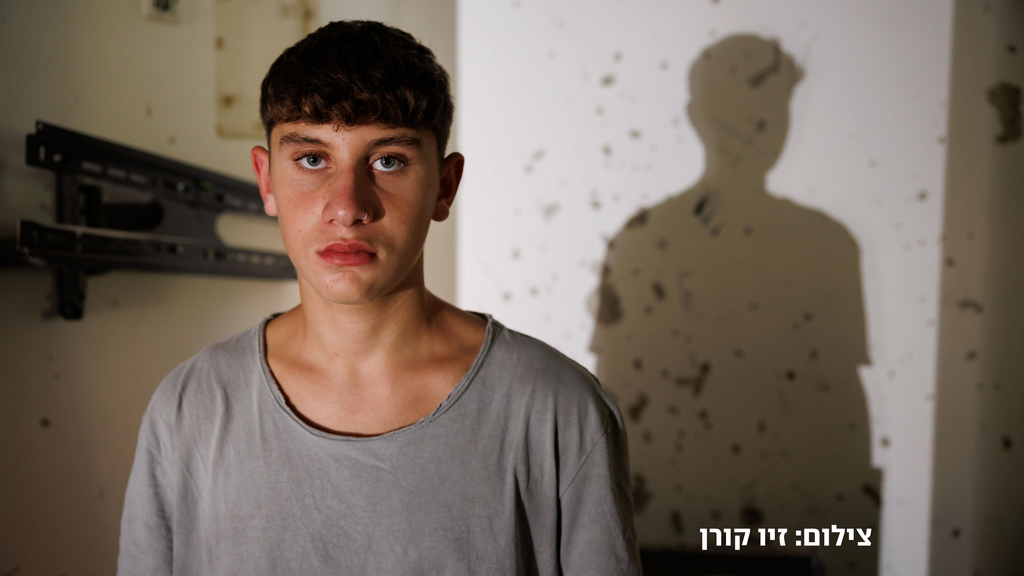
Yagil knew nothing of what had happened to his community. Nearly a third of Nir Oz residents were murdered or kidnapped. He learned none of it until he returned to Israel. From October 7 until his release, he was alone.
His father, Yair “Yaya” Yaakov, who was kidnapped and murdered, was reunited with Yagil only after his body was recovered and buried in Israel.
Hunger, fear and thoughts of death
“In Gaza, you learn to live with hunger,” Yagil says. “You understand there’s no food. The longing is so strong, like your heart is being torn out. You replay your entire life and ask yourself what you did to deserve this.”

The moment Yagil Yaakov was abducted to Gaza, October 7

Video released by Hamas
He was moved between four locations. One night he was locked inside a car with five terrorists in a refugee camp.
“I thought they would lynch me,” he says. “The transfers were terrifying. In every place, it got worse.”
At one house, he needed permission just to look out a window. One morning, when his captor was asleep, Yagil walked to the window anyway.
“When I came back, he was waiting for me with a wooden plank,” he recalls. “He grabbed me, threw me onto the couch and beat me. I was shirtless. I remember the blows and the marks on my back for a long time afterward.”
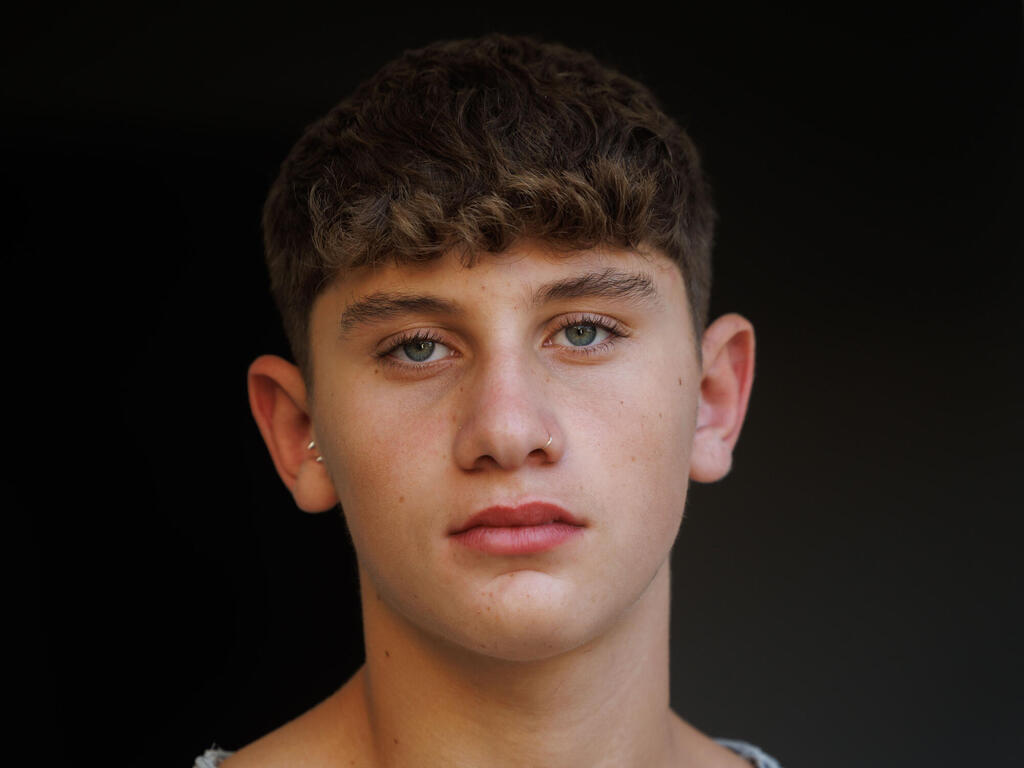
(Photo: Ziv Koren)
That day, he says, he again thought about killing himself.
“I thought about grabbing a terrorist’s gun and shooting myself. Hanging myself with a towel. Waiting for an Israeli missile. Or just going outside and letting them beat me to death,” he says quietly.
If someone else had been with him, he believes, he might have shared the pain. Instead, he carried it alone.
“They told me I’d stay there for years. They played with my head,” he says. “I just wanted someone else to know my story, to share it. The loneliness was the hardest thing.”
What kept him alive
What kept him going, Yagil says, was the thought of returning to Nir Oz.
“The kibbutz is my home,” he says. “It’s part of me. I always loved it, but I never thought I could lose it.”
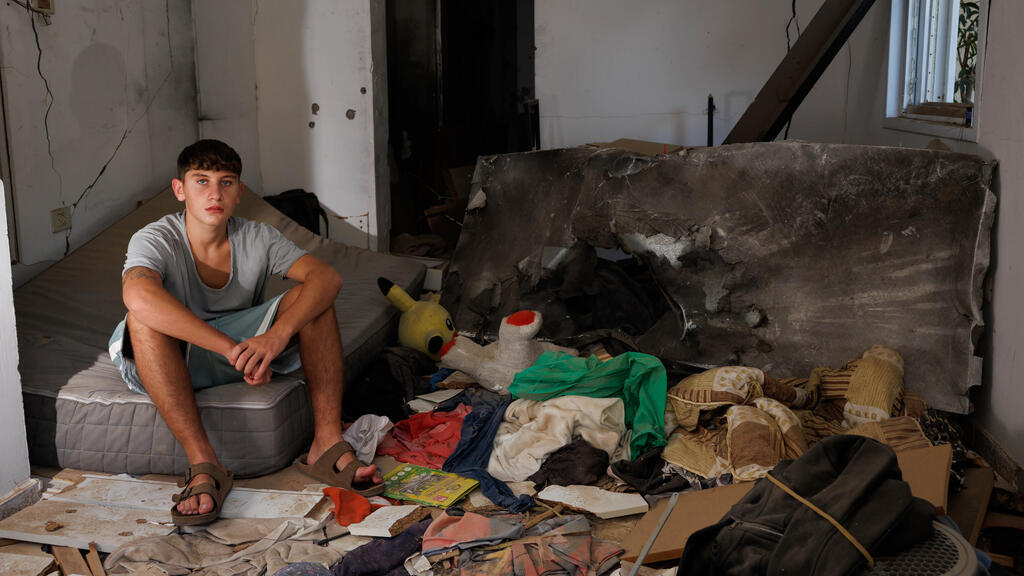
Kibbutz Nir Oz
(Photo: Ziv Koren)
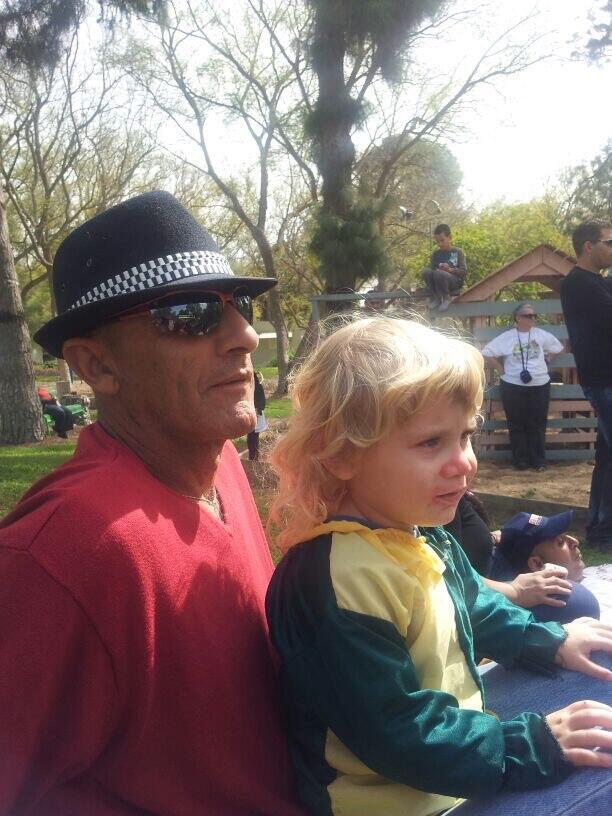
Yagil Yaakov with his father Yair Yaakov
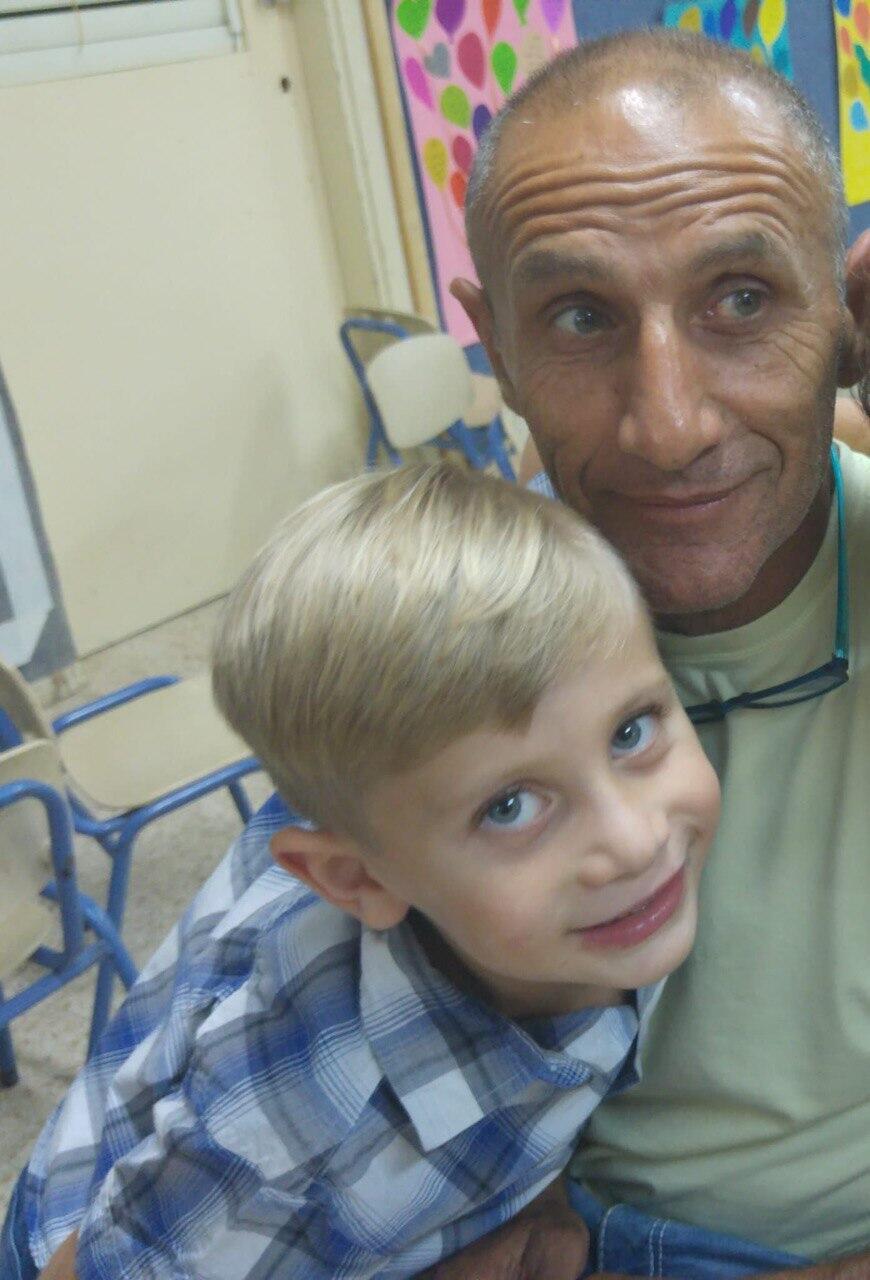
To this day, the community of Nir Oz has not fully returned. Yagil lives in the city with his family, but says he feels trapped there.
“I don’t know the people. I don’t feel free,” he says. “In Nir Oz, I always felt safe. Even today, despite everything, that’s where I feel I belong.”
His mother
Throughout captivity, Yagil dreamed of seeing his mother, Rinnana.
“She’s my strength,” he says. “She’s strong, doesn’t always show her emotions, but she’s always there.”
Just days before October 7, the two had argued. Jokingly, she told him she needed “a few days without you.”
“That sentence stayed with me the entire time,” he says. “All I wanted was to see her again and tell her how important she is to me.”
Yagil says he struggles with the fact that his mother is afraid to return to Nir Oz.
“I understand her, but it breaks my heart,” he says. “She gave so much of her life to that place. She’s always been a pioneer, a fighter. She fought for us then, and she’s fighting for us now.”
A changed childhood
Yagil speaks with a calm maturity that belies his age.
“I don’t feel like a child anymore,” he says. “I lost parts of my childhood. I lost my father.”
In June 2025, Yair Yaakov was laid to rest in Nir Oz after his body was recovered from Khan Younis in a joint IDF and Shin Bet operation. He had been kidnapped with Merav Tal, who was released after 53 days.
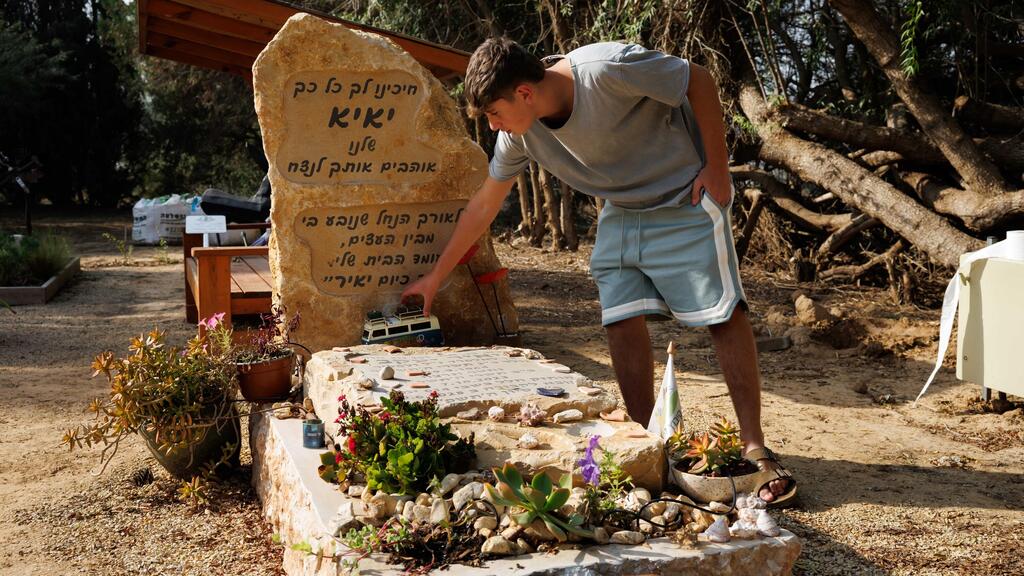
Yagil Yaakov next to his father's grave
(Photo: Ziv Koren)
“My father was my hero,” Yagil says. “He made mistakes, but he always wanted the best for me. He was spontaneous. He’d say, ‘Let’s go to the beach,’ out of nowhere.”
Israeli officers later showed the family a video of the lynching Yair endured, including a moment in which a father encouraged his 3-year-old son to kick him.
“I can’t explain what that feels like,” Yagil says. “That’s why I struggle with the term ‘uninvolved civilians.’”
“The state didn’t protect me on October 7. Not in captivity either,” he says. “We’re not headlines or a reality show. Behind every hostage is an entire world.”
Love and the future
Life after release, Yagil says, was in many ways harder.
“There were days I couldn’t get out of bed,” he says. “For a long time, I imagined every passerby holding a knife.”
He says he learned to cry only when told his father had been murdered.
“This will stay with me for life,” he says. “And I still have a lot of life ahead of me.”
Today, he says, he is in a better place, helped by a girlfriend who understands his trauma.
“She brought my feelings back,” he says. “Sometimes I feel like my dad sent her to me.”
And he still has a dream.
“To return to Nir Oz,” he says. “And to build a family.”
“I will make it happen.”