

As 48 hostages remain in captivity in Gaza for 702 days, the government is focusing on internal political maneuvers rather than their release. During the summer recess, the coalition is rushing to approve additional political funding and advance a controversial draft exemption law, with three discussions scheduled this week in the Foreign Affairs and Defense Committee.
The government’s agenda appears centered on ensuring its own survival, sidelining the urgent hostage situation.
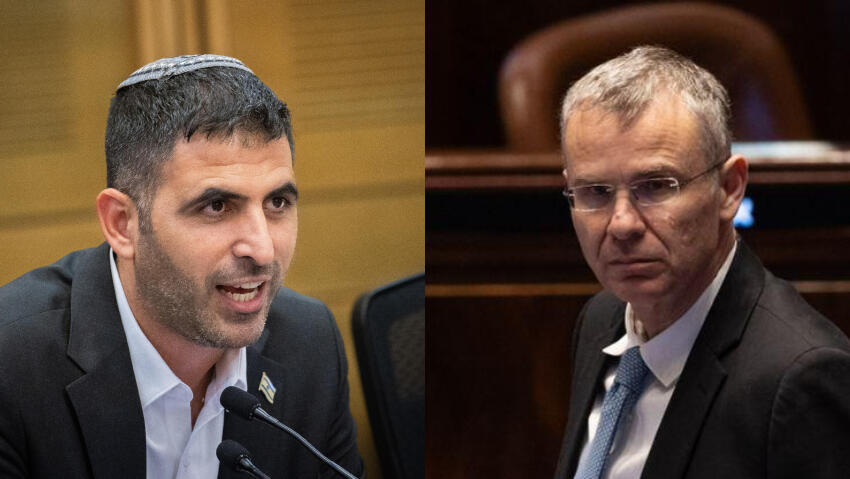
On Sunday, the cabinet appointed Justice Minister Yariv Levin as acting Jerusalem Affairs and Jewish Heritage Minister, replacing Meir Porush of United Torah Judaism, who resigned on July 15. Prime Minister Benjamin Netanyahu had temporarily held the portfolio, despite legal restrictions due to his ongoing trial.
Levin, already serving as Justice Minister and acting Interior, Labor and Religious Services Minister, will take on this role as part of a deal to maintain coalition stability.
The portfolios, previously held by Shas party ministers who resigned, are effectively controlled by Shas leader Aryeh Deri, while Porush retains influence over key priorities like the Meron pilgrimage. However, responsibility for this event will shift to Communications Minister Shlomo Karhi.
The government’s deputy legal advisor, Orly Fishman Oren, criticized the transfer of responsibilities to Karhi, saying, “This proposal raises significant issues, transferring areas of responsibility between ministries is complex and time-consuming, and the Communications Ministry has no connection to these functions.”
She argued that the move should not be approved, but Netanyahu is reportedly holding the portfolio for Porush, anticipating his return once the draft exemption law progresses.
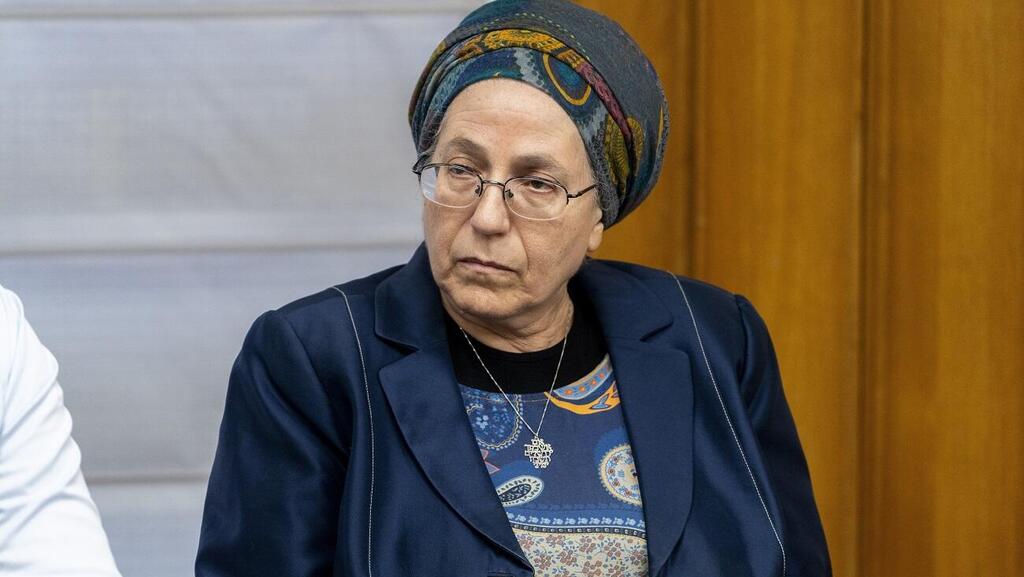
Orit Strock
(Photo: Shalev Shalom)
On Thursday, the Finance Committee received budget requests totaling 286 million shekels ($77 million), largely aimed at rewarding coalition ministers. The bulk will fund the Negev, Galilee and National Resilience Ministry, led by Orit Strock of the Religious Zionism party, which critics call redundant.
Over the coming days, the committee is set to approve 80 million shekels ($22 million) for border security, religious programs, agricultural farms and temporary housing in Jewish settlements, alongside 21 new staff positions for the Settlement Division.
The Finance Ministry will receive 11 million shekels ($3 million) and 11 new positions to oversee financial management in ultra-Orthodox education networks. The Religious Services Ministry will get 80.3 million shekels ($22 million), while 115 million shekels ($31 million) will fund archaeological excavations in Jerusalem under the Science, Culture and Sports Ministry.
Opposition Knesset member Naama Lazimi of the Labor Party condemned the allocations. “While schools open without enough teachers, 40% of social workers quit within two years, and the health system awaits funding, another 80 million shekels go to religious services and 80 million to Minister Orit Strock to ‘continue the war at the cost of the hostages’ Strock for cronies in illegal outposts. We deserve a government that fights for us, not against us.”