


Jordan is approaching possible escalation with Iran “as a country at the heart of the storm — but one that does not want to be part of it,” a Jordanian source said Saturday, hours after satellite images showed dozens of U.S. fighter jets at Muwaffaq al-Salti Air Base in the kingdom.
“Officially, Amman confirms it will not allow the use of its territory for any attack, in a clear attempt to establish neutrality and keep the country away from the line of fire,” the source said.
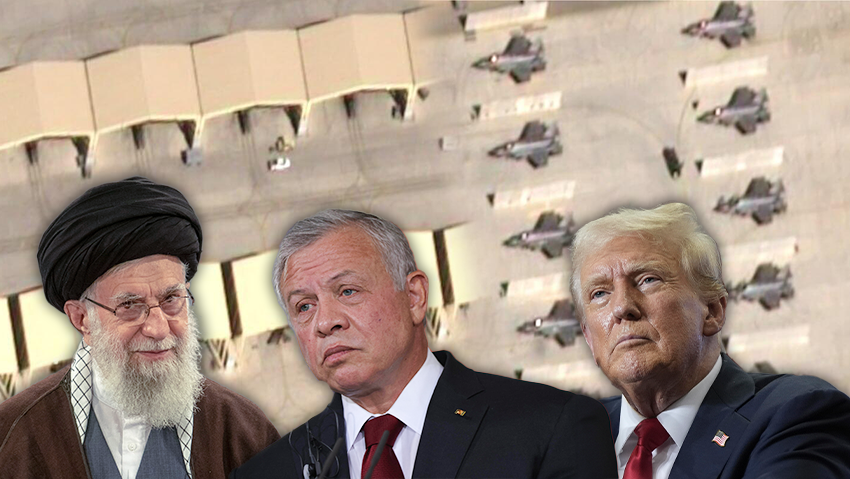
The comments came after The New York Times published satellite images of the air base, located about 100 kilometers east of Amman. The images, taken by an Airbus satellite, showed more than 60 strike aircraft, including F-35 stealth jets, as well as 68 cargo planes that have arrived since Sunday.
Additional fighter jets were seen parked under protective shelters, while others were positioned in the open. The newspaper reported that drones and helicopters were also visible, and that soldiers were installing new air defense systems in preparation for a possible Iranian missile attack that could target the base. The Times described the base as becoming a “key hub” in U.S. preparations for a potential strike on Iran.
The Jordanian source said public opinion in the kingdom tends toward concern and rejection of war, given fears that any regional conflict would quickly affect the country economically and in terms of security, even without direct involvement.
Regarding the presence of U.S. bases in Jordan, the source said the issue is viewed domestically as sensitive, tied more to concerns about possible retaliation than to an indication of Jordanian participation in military operations.
“Jordan is watching the situation carefully — firm in its position of non-involvement — but aware that geography could impose consequences from a conflict it does not want,” the source said.
Official statements on neutrality
Earlier this month, Jordan’s Foreign Ministry said Foreign Minister Ayman Safadi spoke with his Iranian counterpart, Abbas Araghchi, about developments related to the nuclear issue.
According to the Jordanian readout, Safadi stressed support for de-escalation, reducing tensions and achieving calm in the region. He reiterated Jordan’s position rejecting violations of state sovereignty and emphasized the need to respect international law.
Safadi also said Jordan “will not be a battlefield for any regional conflict or a launching point for any military action against Iran.”
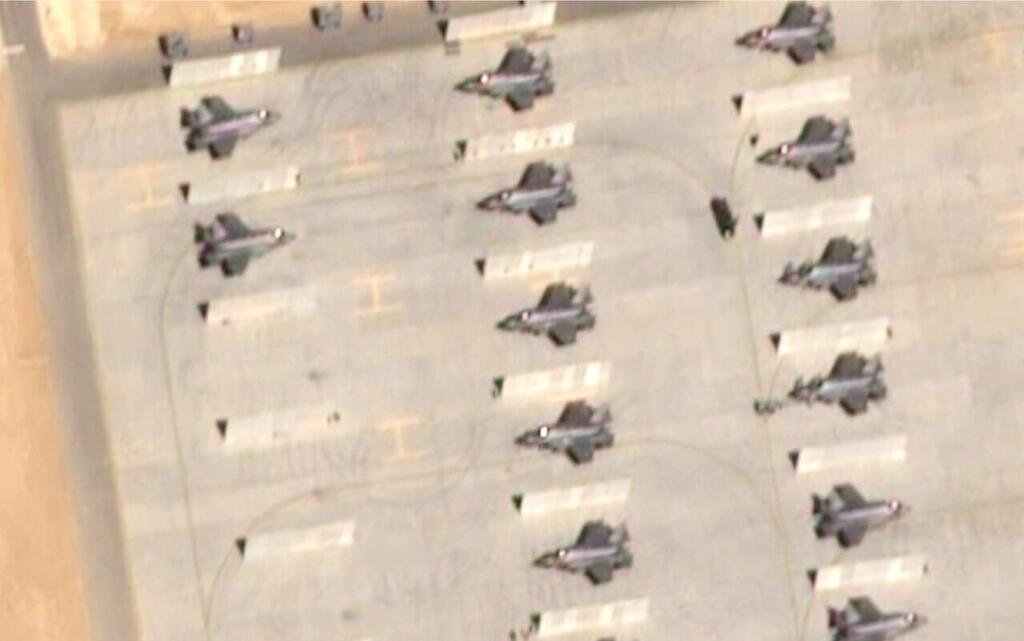
(Photo: Airbus)
At the same time, he stated that Jordan would not allow any party to violate its airspace or threaten the security and safety of its citizens, and would respond to any such attempt using all available capabilities.
Similar statements were issued in June 2025, when government spokesperson Mohammad al-Momani said Jordan had not allowed and would not allow its airspace to be violated, and would not serve as a battlefield in any conflict. He described national security as a red line and called on the international community to pressure relevant parties to prevent escalation.
In August 2024, King Abdullah II also said Jordan would not be a battlefield for any conflict and would not permit threats to its security, stability or citizens.
Strategic considerations
Despite these statements, the United States maintains access to several military bases in Jordan, from which it can operate.
“There appears to be a contradiction, but we should recall the Second Gulf War in 2003,” said Prof. Ronen Yitzhak, head of Middle East studies at Western Galilee Academic College and a researcher at Tel Aviv University’s Dayan Center.
“During the U.S. war against Iraq, Jordan served as a central staging ground. The United States used bases and deployed Patriot systems inside Jordan,” he said.
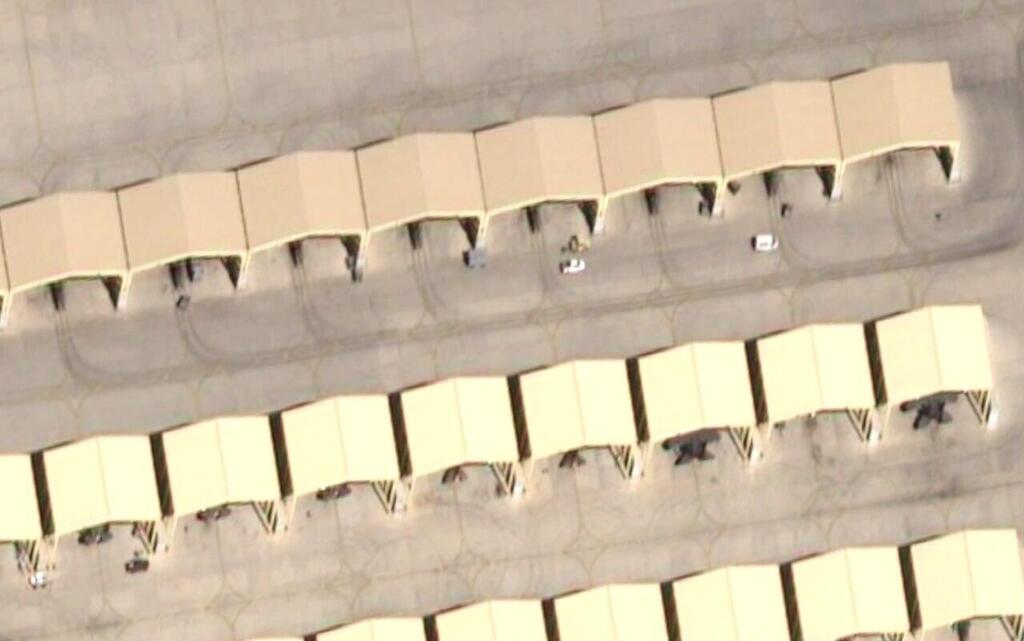
(Photo: Airbus)
Yitzhak said Jordan likely plays a significant role despite official declarations.
“In the end, there is a system of interests and strategic considerations, including improving relations with the United States, increasing security assistance, integration into diplomatic frameworks and other benefits Jordan can expect, as happened after 2003,” he said.
He noted that while the United States has broad access to Jordanian bases, the primary buildup appears concentrated at Muwaffaq al-Salti.
Meanwhile, The National Interest reported in recent days that military ties between Jordan and the United States have strengthened over the past year, with Washington and Amman quietly deepening their strategic partnership. The publication described Muwaffaq al-Salti as rapidly becoming one of the most critical U.S. military hubs in the Middle East.