

Ultra-Orthodox lawmakers on Thursday submitted a bill to lower the voting age for the Knesset from 18 to 17, amid mounting tensions over military exemptions for Haredi men.
The legislation, introduced by MK Meir Porush of United Torah Judaism and mirroring existing voting rights in municipal elections, has gained support from the National Student and Youth Council and could add roughly 120,000 new voters.
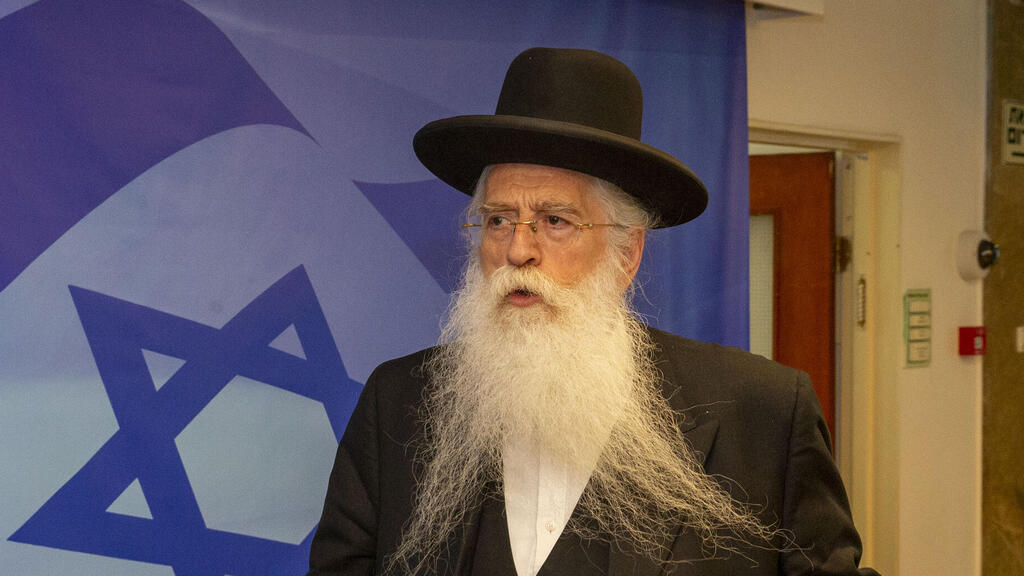
"Seventeen-year-olds in Israel are socially and politically engaged, deeply concerned about the country's future and ready to take responsibility," wrote MK Porush in the bill’s explanatory notes. "Lowering the voting age will allow them to influence the democratic process directly."
Porush cited research showing that younger voters in countries like Austria, where voting is allowed from age 16 or 17, participate at higher rates than those aged 18–21. The bill argues this stems from institutional and familial support still present at younger ages. “Expanding voting rights will increase civic engagement, compel politicians to address youth issues and strengthen Israeli democracy overall,” Porush wrote.
The bill arrives during a heated political storm surrounding the military exemptions for Haredi men. Former housing minister and United Torah Judaism chairman Yitzhak Goldknopf reignited the controversy on Thursday, warning in an interview with the Makor Rishon newspaper that if forced to draft yeshiva students, Israel could become “a state without Haredim.”
“If it comes to that, they’ll leave the country,” he said. “Haredim won’t change their way of life because there’s a war. There’s an army, and there are others who can serve in it. If you're short 50,000 soldiers, go find the 100,000 draft dodgers in Tel Aviv and Gush Dan.”
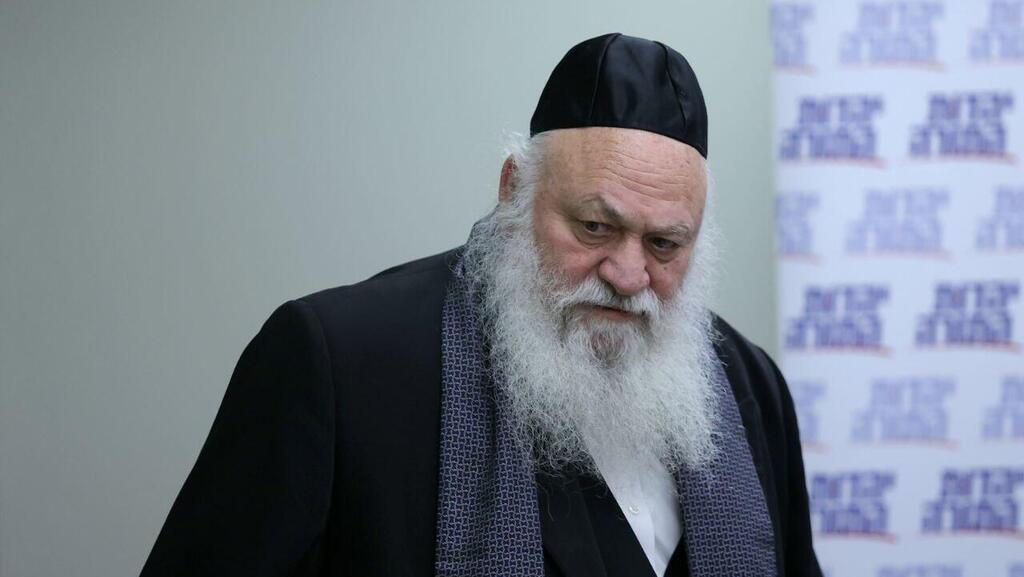
MK Yitzhak Goldknopf
(Photo: Alex Kolomoisky)
Goldknopf criticized Prime Minister Benjamin Netanyahu’s handling of the situation, echoing claims from his senior aide, Moti Babchik, that the premier misled their parties with false promises of a draft exemption law. "If Netanyahu really wanted a draft law, he would’ve locked the key players in a room until they reached a deal," Goldknopf said.
He also addressed tensions with the Religious Zionist community, a nationalist, observant sector of Israeli society that strongly supports both military service and Torah study. Many in the community have lost loved ones during the ongoing war and oppose blanket exemptions for ultra-Orthodox men, arguing that national defense is a shared responsibility. “Their pain is their own,” he said. “Don’t hand me your pain. Let’s agree that each group bears its own burden.”
Get the Ynetnews app on your smartphone: Google Play: https://bit.ly/4eJ37pE | Apple App Store: https://bit.ly/3ZL7iNv
When asked if he empathized with a father of five headed for an extended reserve duty tour, Goldknopf responded: “I don’t understand it. I didn’t decide he should go. If he chooses that path, he goes.”
Asked on whether the war in Gaza qualifies as a milchemet mitzvah—a biblically mandated or “commanded” war in Jewish law that obligates all able-bodied Jews to fight—Goldknopf doubled down: “I was told there are 100,000 draft dodgers in Tel Aviv and the Gush Dan area.”
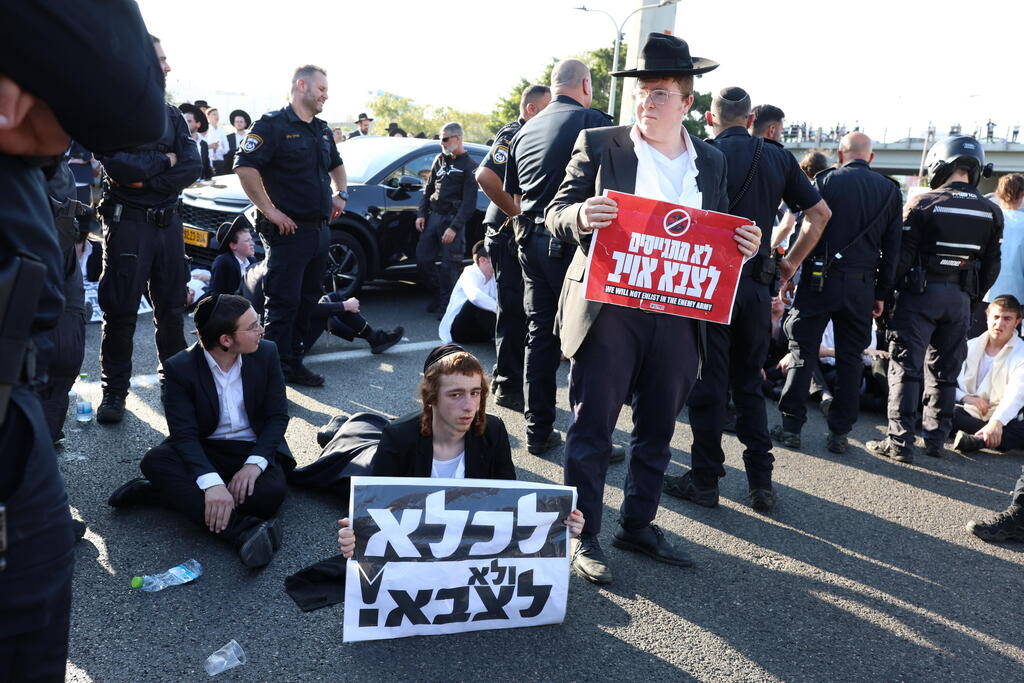
Ultra-Orthodox men protest against military conscription in Bnei Brak
(Photo: Shaul Golan)
Goldknopf added that the IDF’s recent move to issue draft orders and threaten arrests for yeshiva students would "cross a red line" and "shake Israel to its core."
Finance Minister Bezalel Smotrich, leader of the Religious Zionist Party, condemned Goldknopf’s comments as divisive and offensive. “Goldknopf, shame on you,” he said. “Our sages taught that whoever does not share in the community’s suffering will not share in its comfort. The pain of Israel’s bereaved families is not just a religious Zionist pain; it is a national pain. Anyone who excludes himself from this is denying the essence of our shared identity.”
Despite mounting pressure, Goldknopf said his party remains open to future coalitions if their demands are met. “We’re loyal to our voters. Anyone who delivers for them gets our support. Those who only make promises, let them keep talking somewhere else.”