

Mossad refused to execute a plan to assassinate Hamas leaders in Qatar, even as Israel’s air force carried out a rare strike using air-launched ballistic missiles from the Red Sea, U.S. and Israeli officials told The Washington Post and The Wall Street Journal.
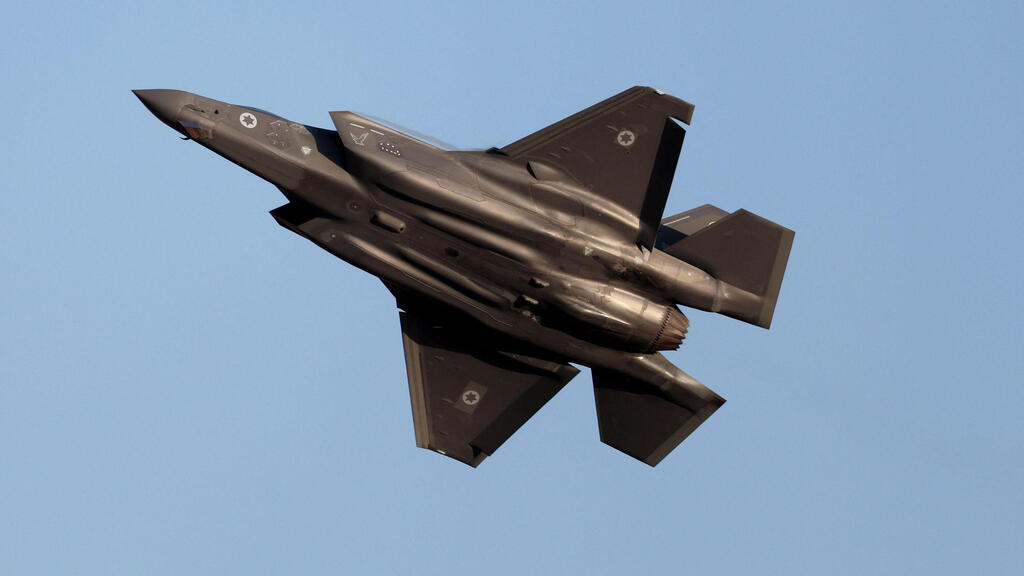
According to the Journal, Israel deployed eight F-15 fighter jets and four F-35s, which fired ballistic missiles from over the Red Sea instead of flying east toward Qatar. The move was meant to avoid accusations of violating Arab airspace.
The building that was attacked in Qatar
(Video: Reuters)


American sensors in space detected the missile launches, identifying Doha as the target. U.S. officials said Israel notified the Pentagon of its plans only minutes before the strike, leaving Washington no time to intervene. “The message came so close to launch that there was no way to stop it,” one American defense official said, calling the action “completely unfathomable.”
President Donald Trump was informed after the missiles were already in flight and ordered his envoy, Steve Witkoff, to alert Qatari officials. Doha later said the warning came 10 minutes after the strike.
Hamas leaders were not in the building that was hit but nearby, according to Arab sources. Several Hamas officials were wounded, while five lower-ranking operatives — including the son of senior Hamas figure Khalil al-Hayya — were killed, along with a Qatari guard.

(Photo: Defense Minister)
Two Israeli officials told The Washington Post that Mossad Director David Barnea opposed using agents on the ground in Qatar to kill Hamas leaders. They said Mossad feared the move could rupture sensitive ties with Qatar, which has hosted Hamas leaders and acted as a key mediator in negotiations.

Mossad Director David Barnea
(Photo: Ido Erez)
“There’s no doubt we must ultimately target all Hamas leaders, including those abroad,” one Israeli source said, “but why now?” Others in Israel’s security establishment criticized the timing and questioned whether the strike would help secure the release of Israeli hostages in Gaza or instead provoke a severe diplomatic crisis.
Instead of a Mossad ground operation, Israel opted for the long-range missile strike. But as days pass, assessments inside Israel increasingly point to failure, with Hamas insisting that its top leaders survived — including Khalil al-Hayya, whom the group publicly confirmed was alive.