

Europol led an international operation this week involving arrests and the seizure of evidence linked to a network that operated online investment scams. Seven suspects were arrested, including three Israelis who are expected to be extradited to Germany, where the main investigation is being conducted. Israel's Lahav 433 police investigative unit is also involved in the case. The network is suspected of operating through a company based in Cyprus and Israel. Authorities estimate that the network defrauded European clients alone of more than 4 million euros ($4.5 million).
The investigation spanned several countries. Europol said more than 100 servers were seized, along with additional evidence. Evidence gathered during the operations led investigators to a company based in Cyprus and Israel that allegedly operated a "crime-as-a-service" model. Investigators also identified suspected clients operating fraudulent call centers in Albania, Kosovo and North Macedonia.
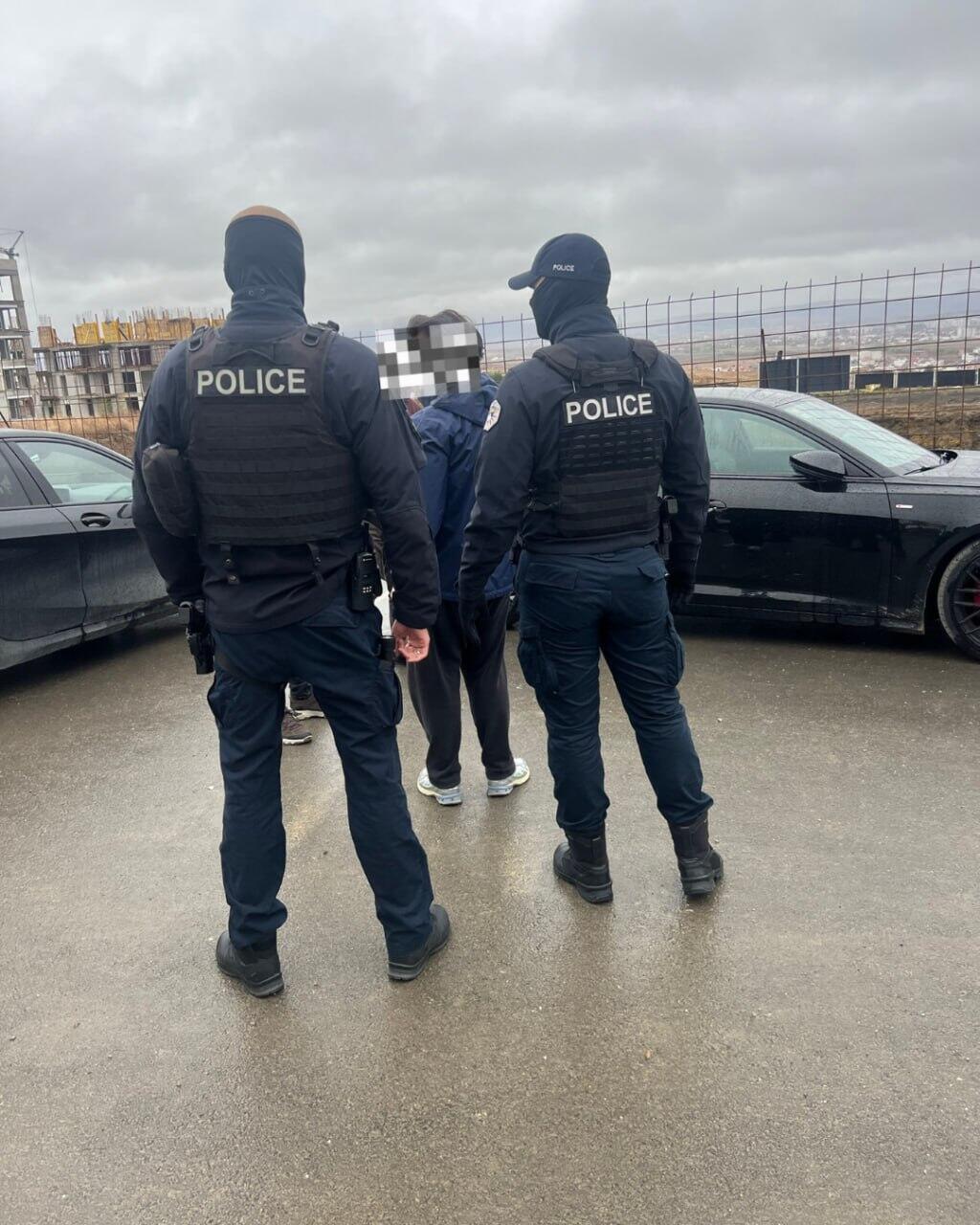
The investigation began in 2022 after a German couple complained that they had invested their savings in an online trading platform but were unable to withdraw their profits. The investigation launched following their complaint uncovered an operation that allegedly targeted victims around the world.
Victims were lured into investing through the network's platforms, which promised enormous returns in a short period through trading in cryptocurrencies, foreign currencies and stocks. After victims transferred an initial small amount, they were shown inflated returns, making the platform appear legitimate. The network's operators allegedly pressured victims to invest additional large sums. But when victims sought to withdraw their profits, they encountered deceptive tactics and repeated delays. Those behind the network eventually disappeared, leaving the victims without their money.
After more than four years of investigation, the first international day of coordinated action resulted in arrests and the seizure of extensive evidence. Analysis of the material identified additional suspects, including managers of call centers used to persuade victims to invest more money. According to Europol, this led to a second day of coordinated action, during which additional suspects were arrested and evidence and money were seized. The evidence gathered exposed the Israeli-Cypriot company and its personnel in Albania, Kosovo and North Macedonia, who allegedly operated fraudulent call centers.

Locations where the call centers allegedly operated
(Photo: Europol)
On Tuesday at exactly 1 p.m., an arrest operation led by German investigative authorities began in close cooperation with the cybercrime unit of Israel's Lahav 433. Those involved are suspected of operating a forex investment fraud network that lured Europeans into investing money.
According to Chief Inspector Ariel Raveh, commander of Lahav 433's cybercrime unit, and Senior Master Sgt. Raviv Neumann, an investigator with the unit, three Israelis were arrested in a coordinated operation. A man and a woman who had traveled Monday to attend a forex investment conference were arrested in Italy, while another suspect was arrested in Cyprus. Two of those arrested were taken for questioning by Lahav 433's cybercrime unit and released afterward.
An investigation into suspected similar fraud began several years ago and led to multiple waves of arrests, some of which resulted in prison sentences. Nevertheless, the fraud network continued operating.
Investigators also found that the arrested Israelis had operated from Israel through various companies they established. Police suspect the Israelis were the masterminds behind the fraud, developing the infrastructure and fraudulent software, building online investment websites and manipulating investment activity. They also promoted the websites online, collecting contact information from potential investors who expressed interest and submitted their details.
That information was passed to call center representatives, who contacted unsuspecting investors and persuaded them to invest money with promises of financial returns.
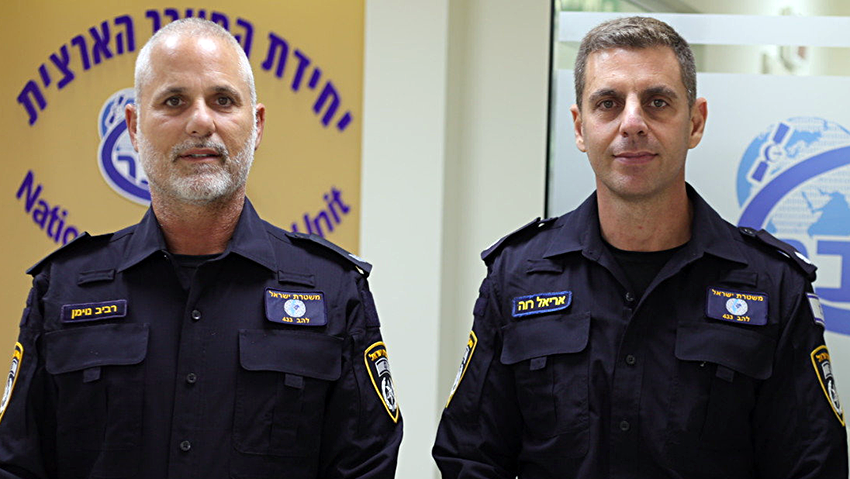
Chief Inspector Ariel Raveh and Senior Master Sgt. Raviv Neumann
(Photo: Miki Schmidt)
The call center representatives would then convince victims that their investments had been profitable and do everything possible to persuade them to increase the amounts invested. The investors believed what they were told and ultimately invested more money, even though the profits they saw existed only on paper.
The suspects maintain that they operated legitimate companies providing customer databases and website graphic design services and had no connection to the fraudulent activity.
"That is their way of trying to distance themselves from the fraud network," Raveh said.
The cybercrime unit commander added: "In professional terms, the Israelis supplied 'leads' to the call center operators. Investors saw positive returns on their investments, which, of course, existed only on paper, until one day the website simply disappeared and the investor discovered that they had fallen victim to scammers."
Raveh also noted that the network had managed to reach approximately 3 million end users, meaning potential investors from European countries.
"The unit's cybercrime investigators managed to access digital devices, including seized computers and phones, and extract evidence allegedly linking the Israeli suspects to the fraudulent activity," Raveh said.
In statements published on their websites, Europol and Eurojust, the European agencies involved in the arrest operation, said they had "disrupted the infrastructure of an investment fraud network that targeted potential victims in more than 50 countries."
The operation was coordinated by Chief Inspector Roi Tzur, the Israeli police representative at Europol, who was also involved in handling the disappearance of Mali and Liel Yahalomi.