

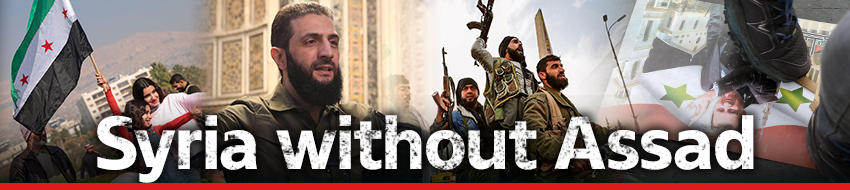
Israeli officials said there is serious doubt whether new Syrian leader Ahmad al-Sharaa would agree to any peace deal with Israel that did not include a withdrawal from the Golan Heights, which Israel captured during the 1967 Six-Day War and later annexed.
The officials said the United States has been informed about the negotiations, which center on more than just security arrangements.
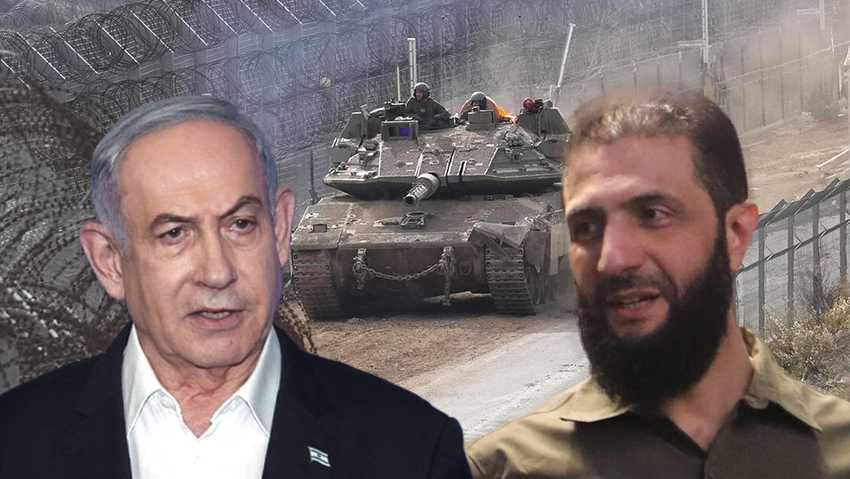
Signs of a possible peace agreement between Syria and Israel by the end of 2025 are becoming more visible, potentially marking a historic shift in regional diplomacy.
Strategic Affairs Minister Ron Dermer, a close ally of Prime Minister Benjamin Netanyahu with strong ties to the Trump administration, is scheduled to travel to Washington later Monday. He is expected to discuss the situation and the potential expansion of the 2020 Abraham Accords.
In an interview on Fox News on Sunday, U.S. President Donald Trump said he was approached by countries wishing to join the Accords. He added that he had once believed Iran might also join the accords, describing the country as “the primary problem” which “would have been better off than where they are right now.”
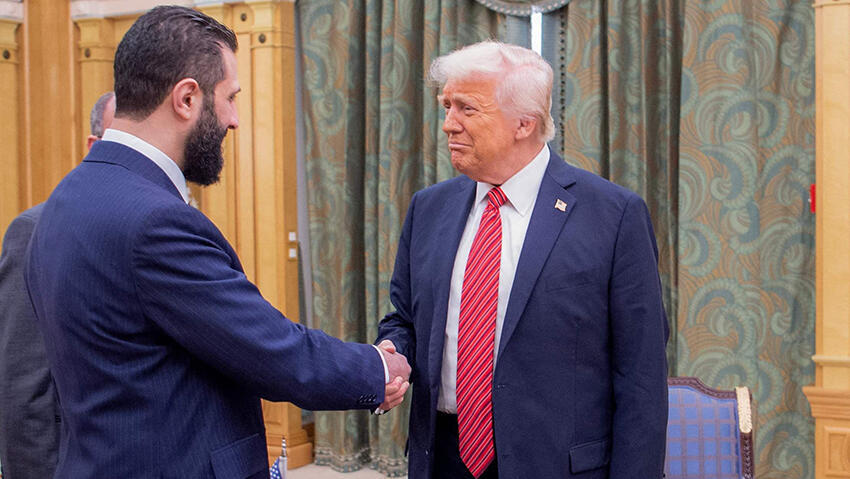
Ahmad al-Sharaa with U.S. President Donald Trump
(Photo: AFP)
Asked whether Syria could normalize relations with Israel, Trump replied, “I don't know, but I did take off the sanctions at the request of some of the other countries in the area that are friends of ours. I took off the sanctions on Syria to give them a chance [because] the sanctions are biting. They're very strong."
Syrian sources told the Hezbollah-affiliated Al-Akhbar newspaper in Lebanon that intensive talks are underway under American pressure to reach a peace deal. According to the sources, al-Sharaa accepts the idea of establishing diplomatic ties with Israel, but there is no consensus among his supporters.
Get the Ynetnews app on your smartphone: Google Play: https://bit.ly/4eJ37pE | Apple App Store: https://bit.ly/3ZL7iNv
“There is pressure on the American mediator to agree to a less severe option, such as announcing security arrangements along the Syria-Israel border, which would include an Israeli withdrawal from all Syrian territory it entered after Dec. 8, when Bashar Assad’s regime was toppled, in exchange for a Syrian declaration that the two countries are no longer at war,” one source said.
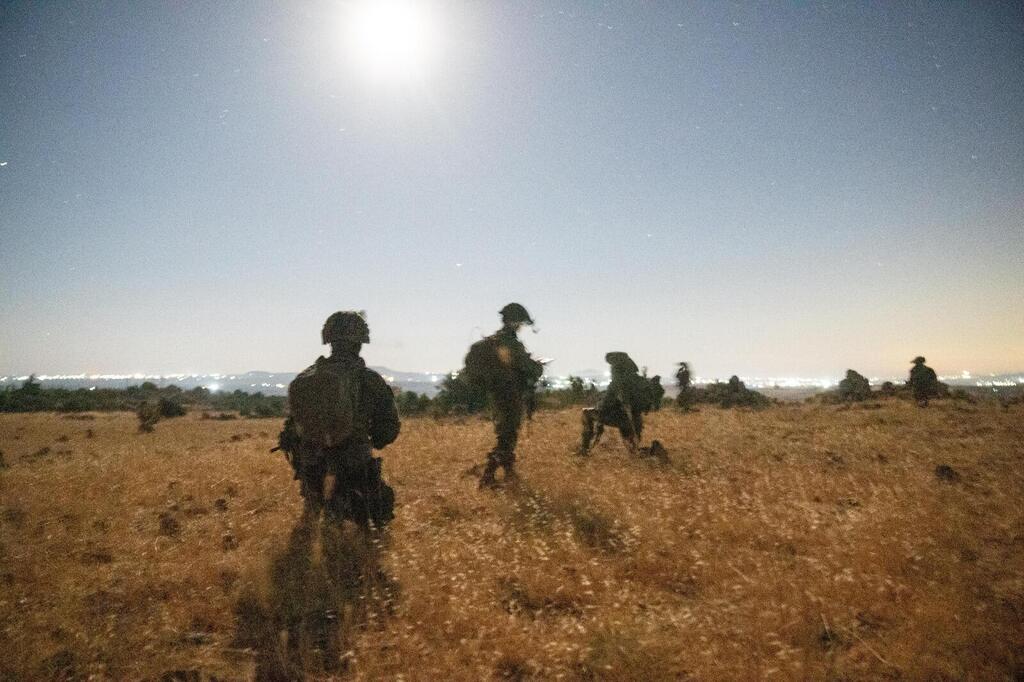
IDF troops operate in southern Syria
(Photo: IDF)
The sources added that the future of Israeli-Syrian relations is not entirely in Syria’s hands. Turkey, they said, opposes any Israeli influence in Damascus, and pro-Turkish factions in Syria fear the country could become subservient to Israeli and Saudi political, security and economic interests.
The Israeli-Syrian conflict dates back to 1948, the year of Israel’s founding and the first Arab-Israeli war. Several wars followed, especially the conflicts of 1967 and 1973. Israel has occupied about 1,200 square kilometers of the Golan Heights since the Six-Day War in 1967 and later annexed the territory, a move not recognized internationally except by the United States.