

U.S. President Donald Trump is expected to meet Thursday at the White House with senior executives from major defense companies as his administration pushes to expand weapons production after the war with Iran and other conflicts strained Pentagon stockpiles.
The meeting comes as the United States faces growing concerns over depleted inventories of air-defense systems and precision-guided munitions after supplying large volumes of weapons to allies and using munitions in its own operations.
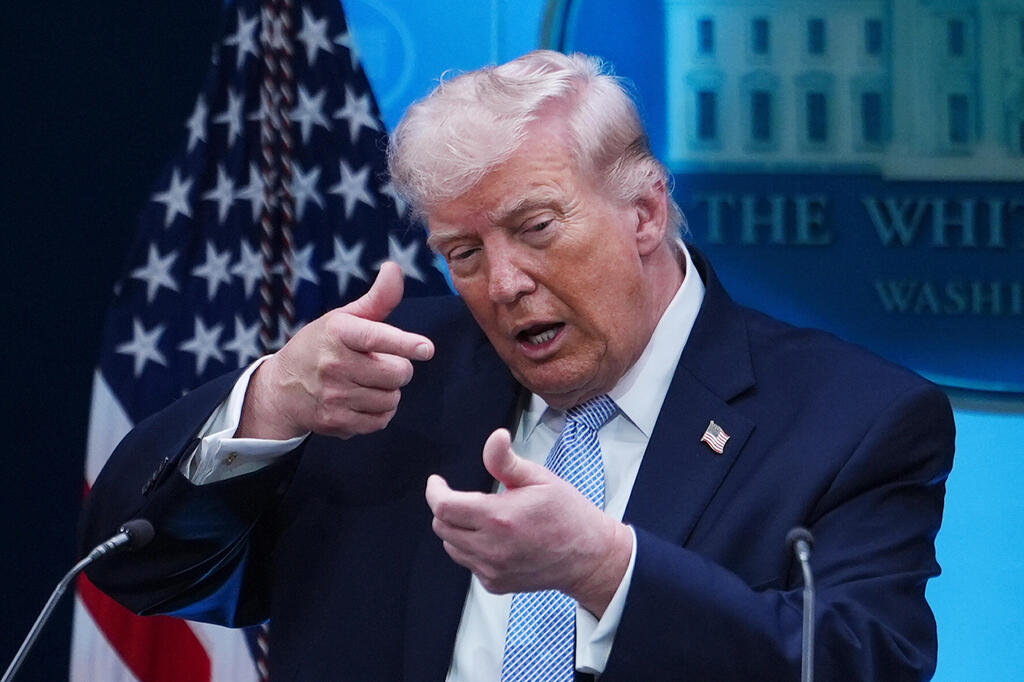
Trump
(Photo: Julia Demaree Nikhinson/AP)
The White House has also requested $88 billion in additional funding from Congress, much of it described as covering war-related operating costs, according to budget documents cited in the report.
Separately, the Pentagon has awarded Lockheed Martin a contract worth up to $35 billion to increase production of THAAD missile interceptors, which are also deployed in Israel as part of U.S. and allied air-defense systems.
The meeting will be the second such gathering at the White House with leaders of major defense contractors focused on accelerating production. A previous session in March included executives from BAE Systems, Lockheed Martin, Northrop Grumman, RTX Corp, Boeing, Honeywell Aerospace and L3Harris Technologies.
The administration has also pushed framework agreements with contractors aimed at increasing output of key systems, including plans to triple production of Patriot interceptors and double THAAD output, alongside expanded production of Tomahawk cruise missiles and AMRAAM air-to-air missiles.
Launch of a THAAD interceptor against a ballistic missile fired from Yemen, 2024


Those agreements have not yet been converted into final contracts, and industry executives have said congressional approval of funding will be critical before companies expand investment in production capacity.
The Senate Armed Services Committee has approved a version of the National Defense Authorization Act supporting $1.15 trillion in defense spending and providing multiyear procurement authority for several munitions programs, though final passage is expected later in the year.
The administration has also increased pressure on defense contractors to prioritize production over shareholder returns, including an executive order signed in January aimed at identifying underperforming contractors on government programs.