

“I will be sad not to spend time with you and not to see you. I will miss you, love you very much,” convicted sex offender Ghislaine Maxwell wrote to then-Prince Andrew Mountbatten-Windsor in 2002. In another email she added: “Apparently five stunning redheads will just have to play with themselves.”
In March 2005, an investigation was launched into millionaire businessman Jeffrey Epstein, who was later convicted as a sex offender and subsequently found dead in his jail cell. Even today, 21 years later, the Epstein affair refuses to fade from the headlines—and appears to grow darker with each passing year. Prominent names, including former U.S. president Bill Clinton and current president Donald Trump, are repeatedly mentioned as figures who socialized with Epstein and were linked to the case, alongside the disgraced former prince Andrew, who has since been stripped by his elder brother, King Charles III, of all his royal titles, and evicted from his lavish estate in disgrace.
10 View gallery
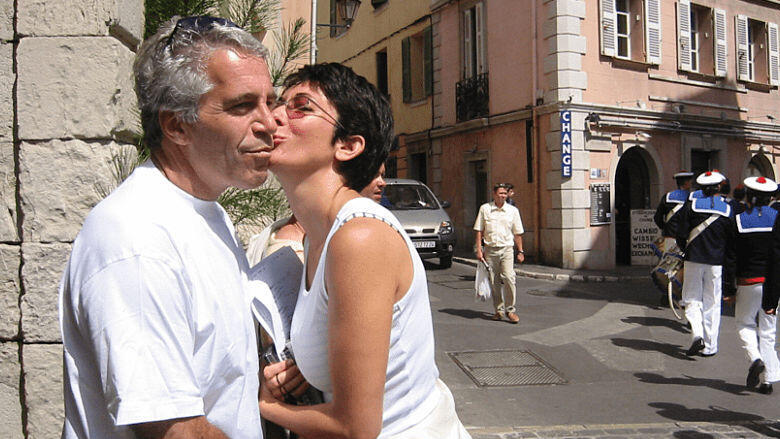
Jeffrey Epstein and Ghislaine Maxwell
(Photo: The US Justice Department / Handout/Anadolu via Getty Images)
Over the past weekend, the U.S. Department of Justice released an additional three million documents from the Epstein case, including photographs and incriminating email correspondence. Among other revelations, the material sheds new light on the romantic relationship between the fallen prince and Maxwell—Epstein’s close associate, who served as his madam in the trafficking scheme. Maxwell was convicted of recruiting and assisting in the sexual exploitation of minors and is currently serving a 20-year prison sentence, while continuing to fight for her release through the courts.
The newly disclosed materials reveal the depth of Maxwell’s hold over Epstein and her central role in the horrific crimes. Investigative records compiled in the documents reinforce her image as a recruiter and controller of young girls, particularly through testimony describing a pattern of gaining trust before arranging encounters and dictating boundaries. The personal and romantic relationship she maintained with the prince also comes into sharper focus.
In an email signed with the letter “A,” sent by Andrew to Maxwell in 2002, he asked her permission to spend time with his ex-wife Sarah Ferguson and their two daughters, Princesses Eugenie and Beatrice. “As the planning becomes more complicated toward the weekend, I now think I may join Sarah and the girls in Sotogrande for a few days, which would be very important and good for the girls, rather than wandering overseas,” he wrote.
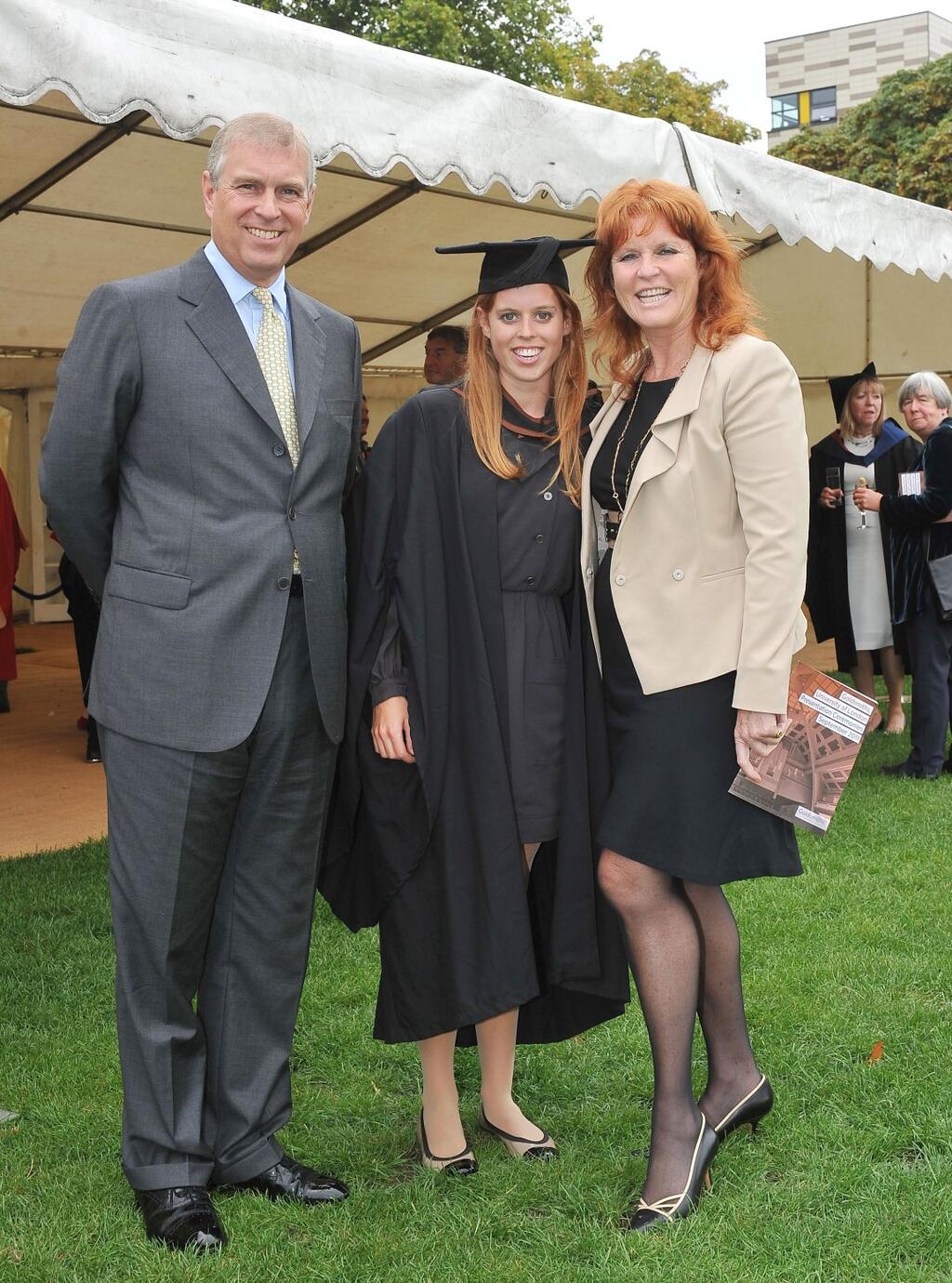
Andrew added: “Please, do you approve of me doing this? I am aware of the better offer—but in this case, I don’t think it will be possible.”
Maxwell replied: “Sweet Andrew, I completely understand if you want to spend time with Sarah and the girls. I won’t be offended at all—but I will be sad not to spend time with you and not to see you. I will miss you, love you very much.” The following day she wrote again: “Apparently five stunning redheads will just have to play with themselves.”
Andrew responded: “I am very sad not to have joined you, but I am happy to spend a little more time with my girls. In any case, I love you and miss you. Looking forward to seeing you before you disappear to somewhere exotic.”
On October 28, Maxwell emailed Andrew again, asking him about rumors that he planned to have more children: “I’m in Los Angeles, on my way to Hawaii. Is it true that you’re going to have more children? I’ll have to think of you as super-sperm.”
Andrew replied: “No, I’m not going to have more children. Don’t believe everything you read in the newspapers. Sarah said she would like to have another child if she could, and if she’s too old—she would adopt.”
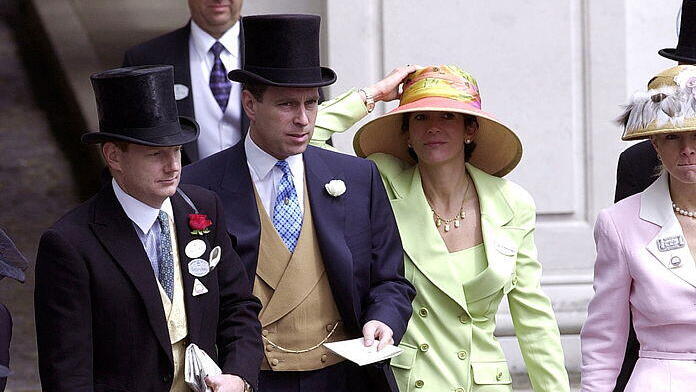
“They were lovers,” historian Andrew Lownie declared in an interview with the Daily Mail. “They loved each other, they had known each other for years. Ghislaine was Epstein’s right-hand woman and she was very close to Andrew. She supplied Andrew with girls, together with Epstein.”
Paul Page, a former royal protection officer, has repeatedly hinted that the relationship between Andrew and Maxwell went far beyond friendship. “I first met her in 2001. From the way she was allowed to come and go from the palace, we understood and suspected that she might have had a romantic relationship with Andrew. A colleague of mine remembers her entering four times in one day.”
The alleged relationship with Andrew is only the tip of the iceberg when it comes to Maxwell’s involvement in the affair—a grotesque drama involving some of the world’s wealthiest and most powerful figures, who were manipulated and collaborated with a powerful millionaire who built a sophisticated machine for the sexual exploitation of minors and young women—one that Maxwell helped operate through their personal and financial ties.
Ghislaine Noelle Marion Maxwell was born in 1961 on a country estate in the Île-de-France region of France. She was the daughter of media tycoon Robert Maxwell, a Jewish refugee who fled Czechoslovakia to Britain and amassed a fortune there, and his wife Elisabeth, of French Huguenot Christian origin.
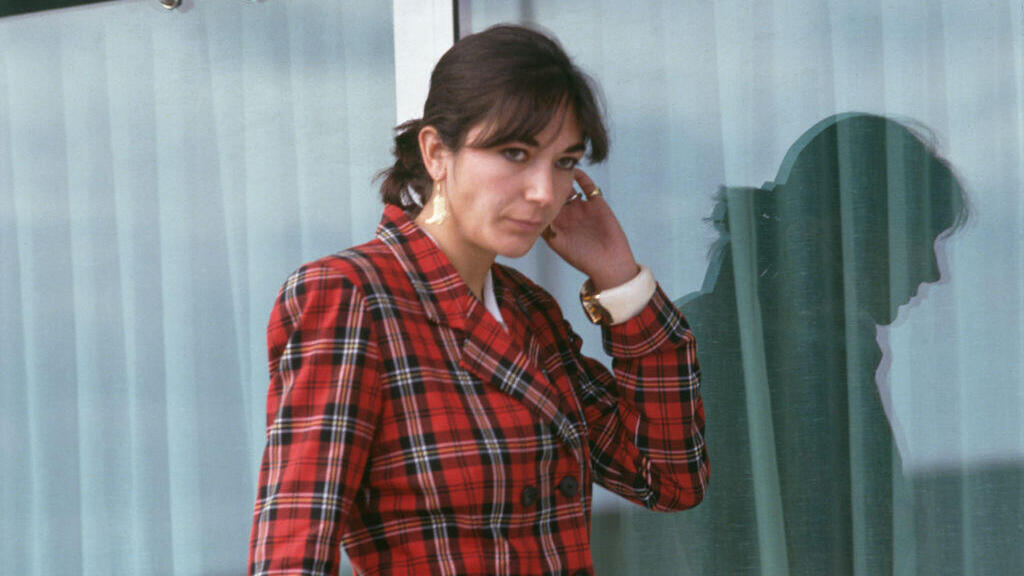
Money was never an issue for the family, which lived in a 53-room mansion in Oxfordshire. As an adult, Maxwell became a prominent socialite in Britain. She founded a women’s organization focused on politics and culture, worked for The European magazine published by her father, and managed the Oxford United football club.
In 1991, Maxwell was sent by her father to New York to integrate into his vast media conglomerate. That same year, he purchased the New York Daily News, further cementing her status. “Ghislaine was a very attractive woman. She was about 5’10”, drew a lot of attention, and had a polished English accent,” an associate told The Guardian.
In November of that year, everything collapsed. Her father died in a boating accident aboard his yacht, and shortly thereafter it emerged that £460 million was missing from his companies’ pension funds. Ghislaine faced financial and social ruin and found herself living in a small, neglected studio apartment. Against this backdrop, one of her new acquaintances, businessman Jeffrey Epstein, stepped in to support her.
Initially, Epstein served as an important source of financial and emotional support for Maxwell, who had lost her personal wealth and was experiencing a family crisis. Over time, she began working for him—first as a property manager and close assistant, and later in increasingly significant roles within his network. Throughout the 1990s, she became one of his closest confidantes, helping manage his assets and the logistics of his homes. The two were romantically involved for a period and later remained close friends.
10 View gallery
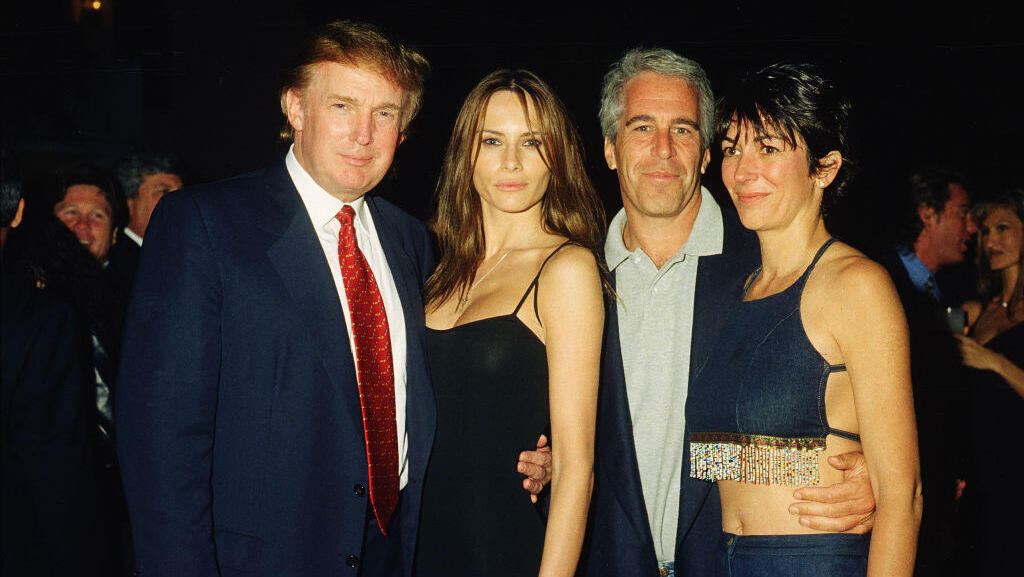
Ghislaine Maxwell, Jeffrey Epstein, Melania and Donald Trump
(Photo: Davidoff Studios/Getty Images)
Maxwell’s elite social connections helped Epstein gain access to some of the most prominent figures in the world, including Andrew and Trump. Trump even signed a birthday greeting for Epstein in 2003 as part of a special album prepared by Maxwell, which also included signatures from Clinton, fashion designer Vera Wang, and others.
Beyond the personal and professional relationship, Maxwell assumed a central role in Epstein’s criminal activity, recruiting underage victims—girls as young as 14—whom she took shopping, paid for their education and travel, and inserted herself into their personal lives. Maxwell was also present during their initial interactions with Epstein. According to the Department of Justice, “She reassured the victims by providing a sense of safety—the presence of an adult woman validating Epstein’s behavior.” Evidence and documents showed that Maxwell discussed sexual topics with the girls and would undress in front of them to normalize and ease the situation.
It was further revealed that Maxwell coerced underage girls to travel to Epstein’s homes in various states, fully aware that they would be subjected to sexual abuse. Prosecutors said she was present—and at times participated—in sexualized “massages” involving minors. The young women received hundreds of dollars in cash to recruit additional girls for the sex offender.
In December 2021, testimony was published from one of the young women victimized by Epstein and Maxwell. “Kate” (a pseudonym) was 17 when she fell into their hands. She testified that she first met Maxwell at her home for tea and cookies in 1994, through a 35-year-old man she was dating. Weeks later, she returned to Maxwell’s home, where Epstein was present, and gave him a foot massage at Maxwell’s request.
10 View gallery
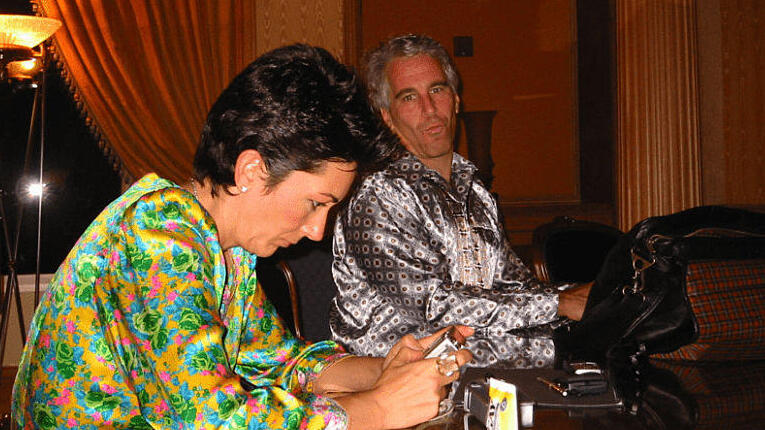
Maxwell and Epstein
(Photo: The US Justice Department / Handout /Anadolu via Getty Images)
A few weeks later, Kate was again asked to provide Epstein with a massage. When the prosecutor asked whether she was a trained massage therapist, Kate said no. “Ghislaine led me to the massage room and Epstein was there, wearing a bathrobe. When he took it off, he was completely naked. Ghislaine brought me massage oil and closed the door—and Epstein had sex with me.”
Afterward, Maxwell told her: “He really enjoyed it. You’re such a good girl, I’m glad you could come. He seems very pleased and I’m very happy he’s pleased.”
After turning 18, Kate traveled to meet Maxwell and Epstein at his Palm Beach estate, where they had sex in the pool. “Ghislaine told me I was so good and that I was one of Jeffrey’s favorites.”
Kate also described an incident in the mid-1990s in which Maxwell left her schoolgirl clothes to wear for Epstein. “I thought it would be fun if you served Jeffrey tea dressed like this,” Maxwell told her. “After the encounter, Ghislaine asked if I enjoyed it and again repeated that I was such a good girl.”
Kate said she remained in contact with Maxwell until she was 24, and with Epstein until she turned 30. “I hoped Ghislaine would truly be my friend, but she would not acknowledge what happened to me.”
10 View gallery
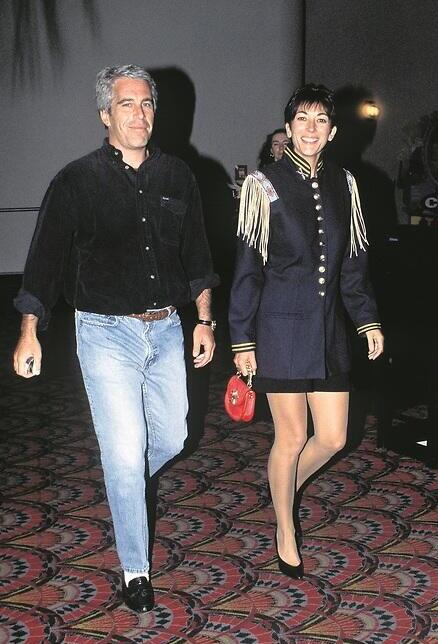
He took his own life and she faces years in prison. Ghislaine Maxwell and Jeffrey Epstein
(Photo: Getty Images)
“Jane” (a pseudonym) was 14 when Maxwell introduced her to Epstein in 1994, while she was eating ice cream at an arts summer camp in Michigan. She testified that Maxwell was sometimes present in the room during the sexual abuse she endured for years. “She seemed very casual, as if it were normal. But none of it was normal,” Jane said tearfully. “I flew to New Mexico to meet Maxwell, who said Epstein wanted to see me. I felt my heart sink. I didn’t want to see him. I froze in fear.”
Virginia Giuffre, who accused Andrew of rape and died by suicide last April, filed a lawsuit against Maxwell in 2015, accusing her of introducing her to Epstein for sexual purposes in 1999, when she was just 16. Maxwell denied the allegations, and the case was settled out of court in 2017 under a confidential agreement. According to reports, Maxwell paid Giuffre millions of dollars, though the exact sum was never disclosed.
Despite evading Giuffre’s lawsuit, in July 2020 the U.S. Department of Justice charged Maxwell in federal court in Manhattan with conspiring with Jeffrey Epstein and sexually abusing minors.
10 View gallery
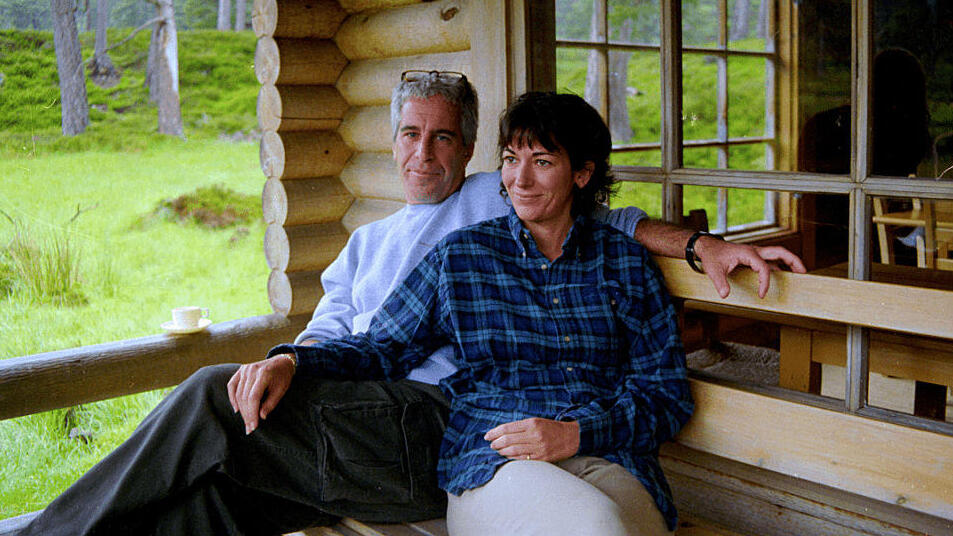
'Couldn't have done it without her': Maxwell and Epstein
(Photo: The US Justice Department / Handout/Anadolu via Getty Images)
Audrey Strauss, then acting U.S. attorney for the Southern District of New York; William F. Sweeney Jr., assistant director in charge of the FBI’s New York field office; and Dermot Shea, New York City police commissioner, announced that Maxwell had been arrested and charged with enticing minors to travel for illegal sexual activity, transporting minors for criminal sexual acts, conspiracy to commit both offenses, and perjury related to sworn statements she gave in 2016.
In 2021, additional charges were added, including direct counts of sex trafficking of a 14-year-old girl, alongside charges related to recruiting and transporting minors for sexual exploitation.
In December 2021, a New York court convicted Maxwell of aiding and abetting the sexual abuse of underage girls, including sex trafficking of minors. She was found guilty of five of the six counts against her and sentenced to 20 years in prison. The crimes attributed to Maxwell occurred between 1994 and 2004.
During the Manhattan trial, prosecutors argued that Maxwell “committed the crimes hand in hand with Epstein.” Prosecutor Alison Moe said Maxwell was “a grown woman who knew exactly what she was doing.” Maxwell’s defense attorneys countered that she was being used as a “scapegoat” in a case centered on Epstein. Her lawyer, Bobbi Sternheim, said: “Epstein’s death left a hole in the pursuit of justice for many of these women. She fills that hole, filling the empty chair where he should have been sitting.”
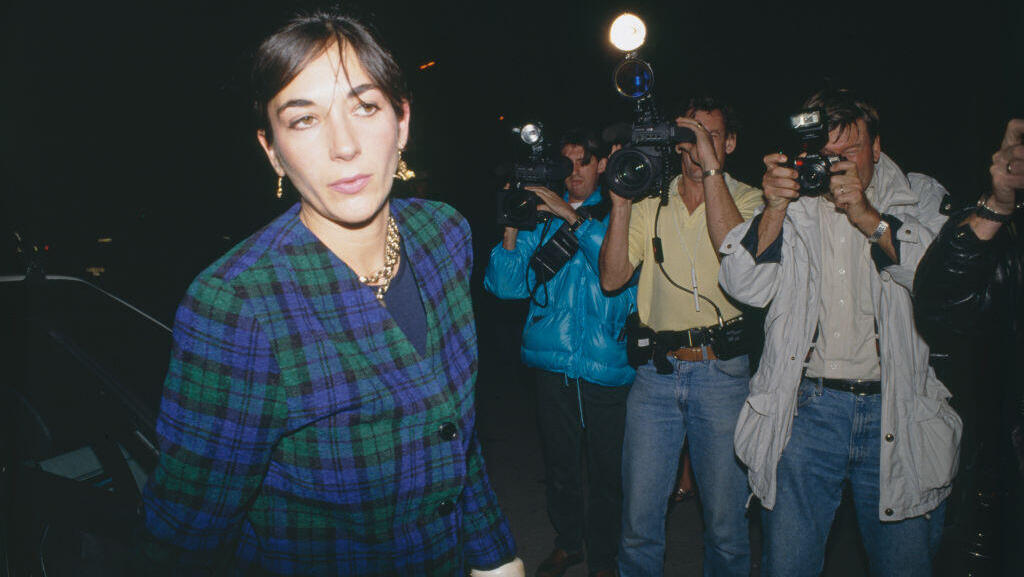
Prosecutors presented the jury with a green massage table seized from Epstein’s Palm Beach estate in 2005. Three of the four women testified that they had given Epstein “treatments” on that table at his request, which escalated into sexual activity.
Moe argued that Maxwell’s presence made the young girls feel comfortable meeting Epstein. “He could not do this alone,” she said. She also reminded jurors that bank records showed Epstein paid Maxwell millions of dollars over the years. “Maxwell had a motive to do whatever it took to keep Epstein happy—and to maintain her lavish lifestyle,” the prosecutor said.
Last summer, Maxwell was transferred from a federal prison in Florida with lax security to a federal facility in Texas, where she is reportedly “much happier.” “The food is much better, the place is clean and the staff is very polite,” she wrote to a relative. “I haven’t heard foul language or encountered the usual screaming and threats from inmates.”
She added: “I haven’t seen a single fight, drug deal, inmate passing out, or inmate running around naked. In other words, I feel like I’ve fallen down the ‘Alice in Wonderland’ rabbit hole.”
At the same time, several inmates serving time alongside Maxwell told The Wall Street Journal that they were threatened with retaliation if they spoke to the media about her.
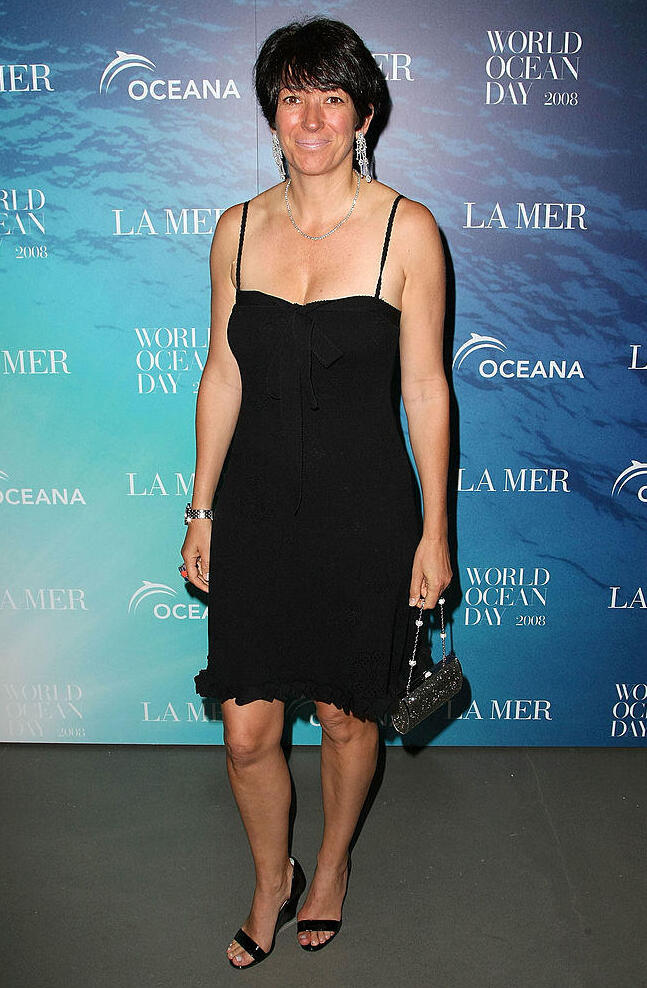
Even behind bars, Maxwell is not seen as just another anonymous inmate. According to accounts from inside the facility, the convicted sex offender keeps a low profile but manages to form relationships with other inmates and is viewed as polite and even “intellectually aloof.” Still, the fact that a woman identified as one of the central figures in a major sex-trafficking scandal is serving her sentence in what appears to be a near-community-style facility has sparked outrage among victims and their families.
Despite improved conditions, Maxwell has not accepted her conviction or sentence and continues to wage an aggressive legal battle to overturn the verdict. Through her attorneys, she has filed appeals with higher courts, arguing fundamental flaws in the legal proceedings—chief among them the claim that a 2008 non-prosecution agreement signed with Jeffrey Epstein should have granted her immunity, even though she was not explicitly named.
Maxwell has also argued that certain testimony was presented in a biased manner and that her rights were violated during the trial. Courts have so far rejected her claims one by one, including refusing to hear a further appeal at the U.S. Supreme Court, ruling that Epstein’s agreement does not apply to her. For Maxwell, however, the fight is far from over.