


The United Arab Emirates struck dozens of targets inside Iran during the war, in coordination with the United States and Israel, the Wall Street Journal reported Friday, citing people familiar with the matter.
According to the report, the UAE began attacking targets in Iran near the start of the war and continued until the day after the ceasefire was announced. The Journal said the Emirati role was deeper than previously known in the U.S.- and Israel-led campaign against Iran.
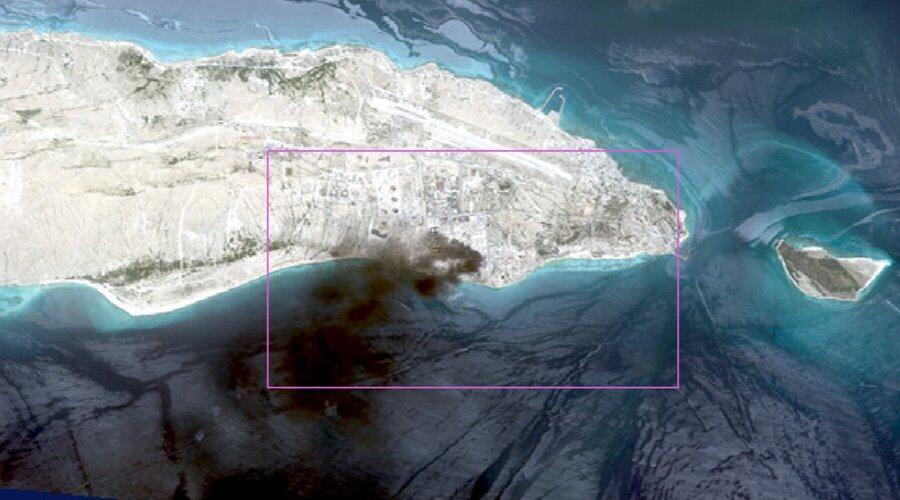
The strikes reportedly targeted sites on Qeshm and Abu Musa islands in the Strait of Hormuz, Bandar Abbas, the Lavan Island oil refinery in the Persian Gulf and the petrochemical complex in Asaluyeh. The Asaluyeh strike was carried out together with Israel, according to the report, and drew international criticism that led Washington to instruct Israel not to carry out further attacks on energy facilities.
Some of the Emirati strikes targeted Iranian energy facilities in response to Tehran’s attacks on UAE oil and gas infrastructure, the Journal reported. During the war, Iran fired more than 2,800 missiles and drones at the UAE, far more than it launched at any other country.
The scope of the Emirati response showed Abu Dhabi’s willingness to defend its strategic interests, the report said, in contrast with other Gulf states that took a more cautious approach toward Iran.
The scale of the UAE campaign also sharpened divisions among Gulf countries. According to the Journal, Saudi Arabia complained to the United States in early April, days before the ceasefire, that Emirati strikes in Iran were increasing the risk of attacks on energy facilities in the region. Riyadh wanted Washington to pressure Abu Dhabi to stop striking Iran and join regional diplomatic efforts.
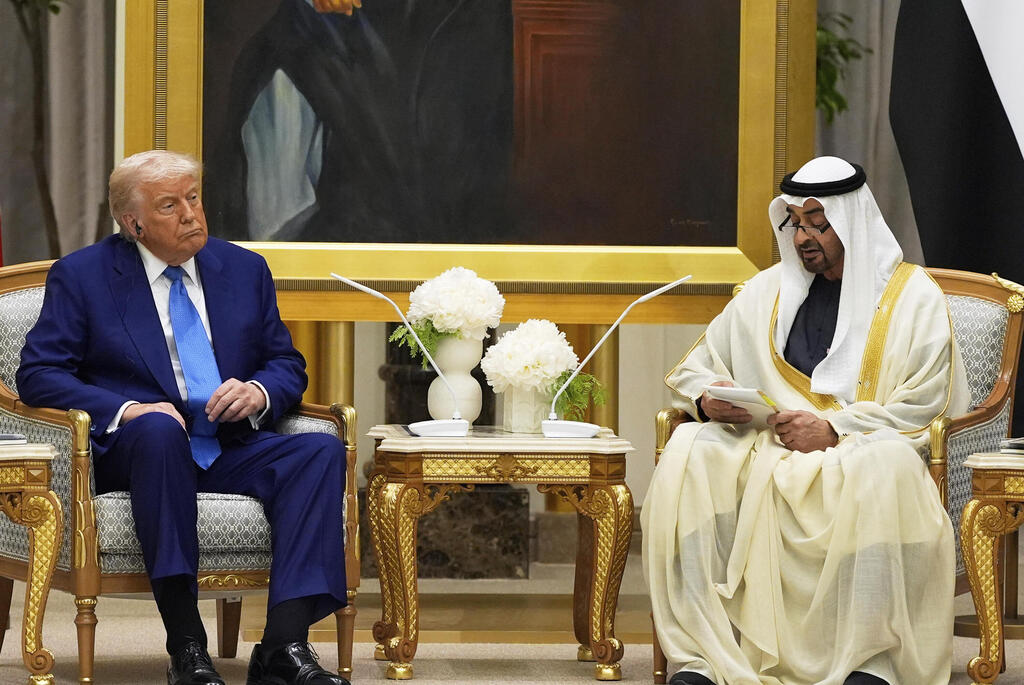
Trump and bin Zayed
(Photo: AP Photo/Alex Brandon)
Gulf officials told the Journal that UAE President Mohammed bin Zayed expressed frustration with Saudi Crown Prince Mohammed bin Salman earlier in the war after the Saudi leader refused to take part in coordinated military action against Iran. Saudi Arabia, which was hit less heavily by Iran, condemned Tehran’s actions but adopted a less forceful approach and pushed for diplomacy.
Responding to the report, the UAE Foreign Ministry said Iran bore full responsibility for the attacks and their consequences.
The report follows earlier claims that the UAE carried out strikes inside Iran, including one on the Lavan Island refinery around the time President Donald Trump announced the ceasefire. That attack reportedly sparked a large fire and shut down a significant part of the facility’s production capacity.