

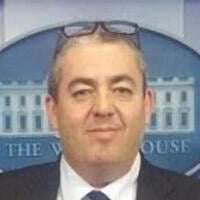
Bafana Bi, 33, from South Africa, was a student and political activist who took part in pro-Palestinian protests and believed Israel was an apartheid state. The turning point came in 2016, when he visited Israel with other student leaders and, he says, discovered a significant gap between the picture he had known in South Africa and the reality he encountered in Israel.
Bi says that at the time he took part in protests against Israel where, among other things, demonstrators chanted “From the river to the sea, Palestine will be free.” Universities in South Africa also held events as part of “Israeli Apartheid Week.” As a South African political activist and member of the political establishment, he explains, an anti-Israel position was largely taken for granted, in part because of the policies and historical alliances of the ruling African National Congress, or ANC.
Bafana Bi: ‘The prophecy in Israel is happening’


“I was sure Israel was an apartheid state,” he said. But the turning point came during a visit to Israel a decade ago. “We saw the truth for ourselves and found ourselves questioning what we had thought were facts all these years,” he said.
During the visit, he encountered a reality in which Jews and Arabs work together, share public spaces and participate in the political system. For someone who grew up in South Africa and was familiar with the historical meaning of apartheid, he says, the experience prompted him to reconsider the comparison between Israel and South Africa.
Since then, Bi has visited Israel several more times and begun working in South Africa to promote direct exposure to Israel. He works with Christian communities, political figures and traditional leaders and brings politicians, members of Parliament and Christian community leaders to Israel so they can form their own impressions of the country.
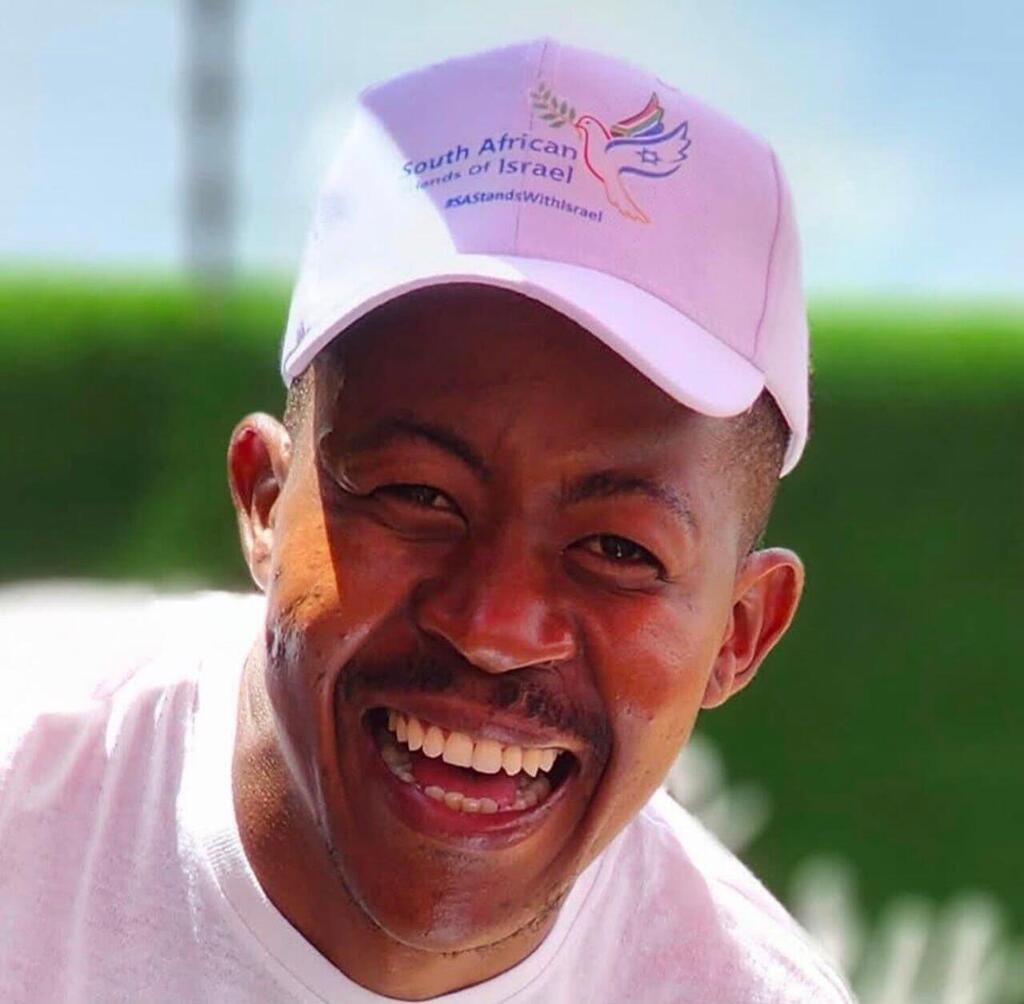
Bi now heads the activities of Israel-is in South Africa. The organization seeks to promote Israel's image through personal encounters and human stories. At the same time, he runs a pro-Israel social media operation that, he says, has gained more than 200,000 followers and reached millions of South Africans.
In recent days, Israel-is sent an advocacy delegation to South Africa for a week, with 15 events and meetings attended by more than 1,300 people. The delegation was held in cooperation with South African Friends of Israel, the advocacy organization headed by Bi. The two organizations collaborate on Israel-is delegations to South Africa on an ongoing basis, with Bi serving as their local point of contact.
The delegation included Bettam, an Israeli activist of Ethiopian descent; Fuad, an Israeli Arab Muslim involved in advocacy efforts; and Miriam, a Lebanese-Israeli Christian content creator. The three met with students, Christian communities, local organizations and media outlets across South Africa, sharing their personal stories about Israel and the complexities of Israeli society.
The goal was to reach audiences who know Israel primarily through political and media discourse and introduce them directly to Israelis from different backgrounds who could offer a broader and more nuanced picture of Israeli society.
According to Bi, there are currently two South Africas: one on the diplomatic stage and another among parts of the public. While the South African government has adopted a strongly anti-Israel position, Bi says most people in the country are primarily focused on domestic issues, including employment, the state of the economy and the electricity crisis, and do not view foreign policy as a central concern in their daily lives.
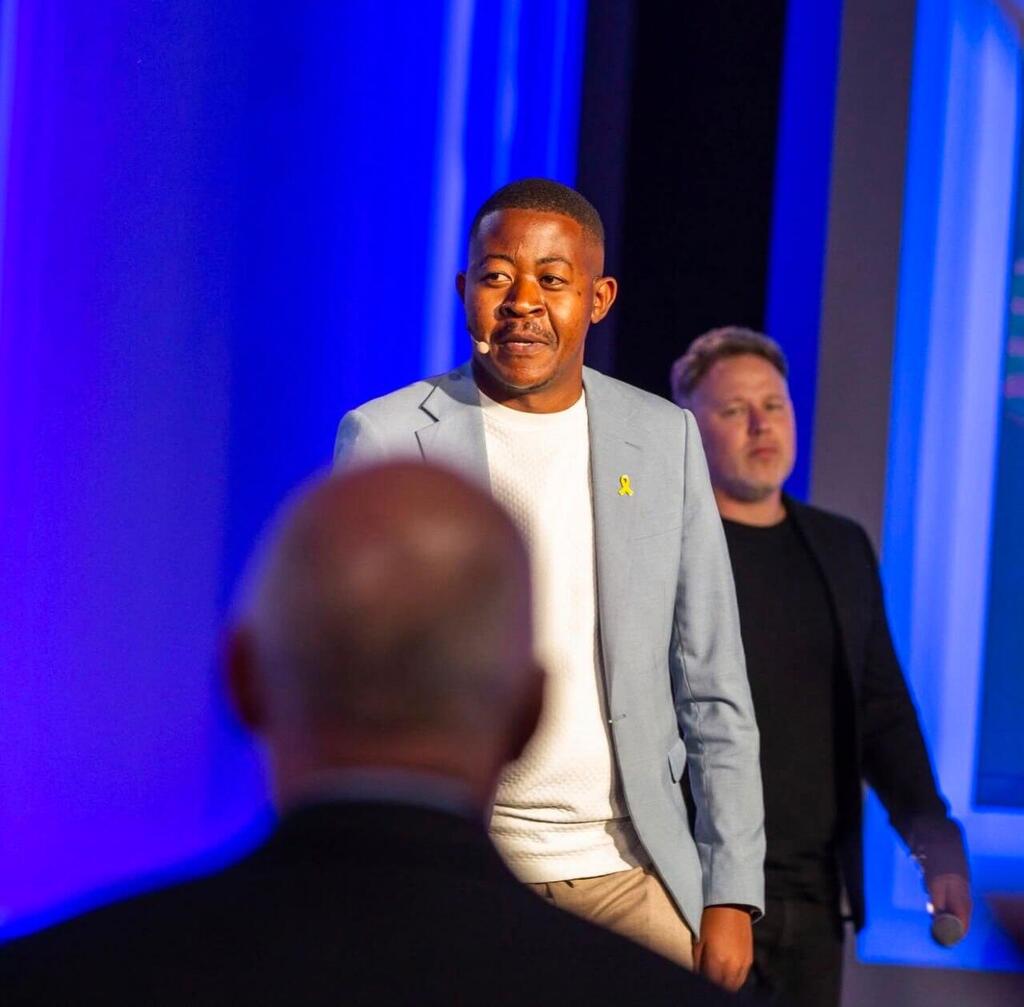
‘What you see in the media is not what is happening on the ground’
“South Africa is indifferent to the war today. Foreign policy is not really the issue here in South Africa,” he said. According to Bi, the leadership's anti-Israel position is linked, among other things, to historical relationships with other countries and struggles dating back to the apartheid era and does not necessarily reflect the views of all South Africans.
Bi also addressed the status of the country's Jewish community, arguing that despite the picture sometimes portrayed by the media and at protests, Jews and Israel supporters continue to lead full lives in South Africa.
“What you see in the media and what you see at pro-Palestinian marches is not everything that is happening on the ground,” he said. “You see that with these pro-Palestinian marches, even the marches themselves are more from the Muslim community. This is not our people on the ground.”
Bi's story takes on added significance against the backdrop of strained relations between South Africa and Israel since Oct. 7 and the country's heated debate over the war. While the South African government has adopted a strongly anti-Israel position and has accused Israel of war crimes in the Gaza Strip, Bi works with members of the Jewish community and pro-Israel organizations in an effort to present South Africans with a different picture.
“There is no hostility on the ground toward Israelis and Jews, but there is a clear government policy based on historical alliances against Israel. Jews are very free here,” he said.