


While the Israeli Air Force has drawn most of the attention during Operation Roaring Lion against Iran, the Israeli Navy has also taken on a significant role in the fighting.
One of the key naval units involved is Flotilla 3, the Israeli Navy’s missile boat squadron, whose ships have been operating extensively in recent days.
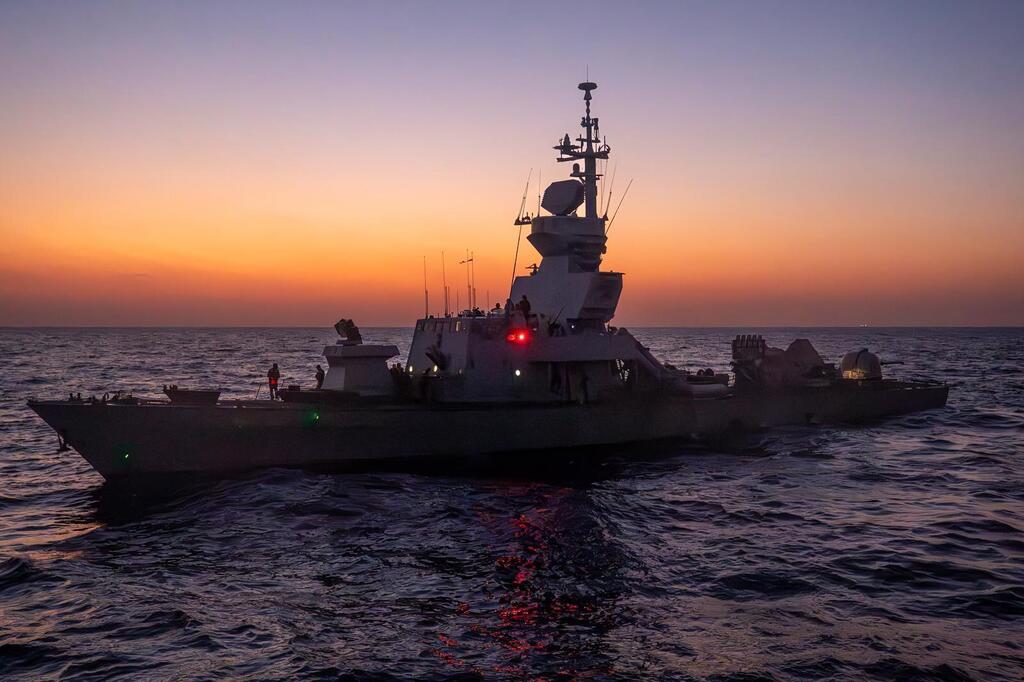
According to the IDF, sailors from Flotilla 3 have been involved in intercepting rockets and drones fired toward Israel. The systems deployed on the vessels are capable of rapidly detecting incoming threats and intercepting them.
Military officials say the naval interceptions allow the Israeli Air Force to divert more aircraft toward offensive missions in Lebanon and Iran. In some cases, naval forces detect incoming fire and pass the information to the Air Force, which then carries out the interception.
Beyond air defense, the Israeli Navy is also protecting Israeli strategic assets at sea, including offshore gas platforms. Naval forces have been deployed around the platforms to guard them against potential threats.
Since the start of the fighting, sailors have identified several threats in the maritime arena and neutralized them, the military said.
The navy has also participated in offensive operations in Lebanon, making use of capabilities that differ from those of other branches of the military.
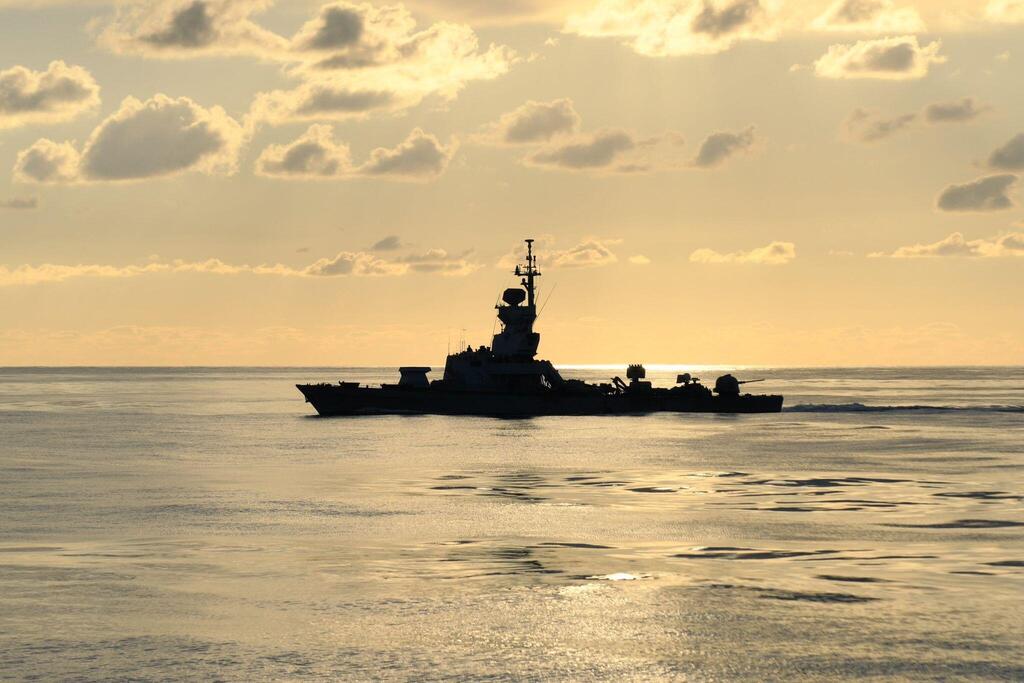
The IDF said Tuesday that naval forces took part in the operation that killed Reza Khazaei, who led Hezbollah’s military buildup on behalf of Iran’s Quds Force and served as chief of staff of the group’s Lebanon Corps.
(Photo: IDF)
Khazaei was considered a key figure in Hezbollah’s force-building efforts and served as a link between Hezbollah and Iran, helping coordinate the group’s needs with resources provided by Tehran.
Naval operations also benefit from the ability of ships to remain near targets for extended periods.
Unlike aircraft, which cannot remain in a specific area for long without being detected, missile boats from Flotilla 3 can operate discreetly close to potential targets for days or even weeks.
The naval dimension of the conflict extends beyond Israel.
Adm. Brad Cooper, head of the U.S. military’s Central Command, said overnight that American forces had destroyed 17 Iranian ships and vessels, including one submarine.
“It has a hole in its side now,” Cooper said, adding that U.S. forces would continue targeting Iran’s navy.
“Today there is not a single Iranian ship underway in the Arabian Gulf, the Strait of Hormuz or the Gulf of Oman,” he said.