

Amid growing evidence that thousands of protesters have been killed in Iran’s violent crackdown, an official in the Islamic Republic said Tuesday night that about 3,000 people were killed nationwide.
The official said the dead include hundreds of members of the security forces and blamed “terrorists” for the violence, echoing the Iranian government’s longstanding claim that “rioters” are responsible for unrest allegedly fueled by Israel and the United States.
Iran protests


Another senior figure in the Iranian regime said an internal government report also put the death toll at at least 3,000, while cautioning that the figure could rise. The number is far higher than estimates verified so far by human rights organizations, but still well below claims by Iranian opposition activists abroad.
The opposition channel Iran International reported Tuesday that its own investigation found at least 12,000 people had been killed. CBS News cited a source in Washington with ties to Iran who said a “reliable source” estimated the death toll at between 10,000 and 12,000.
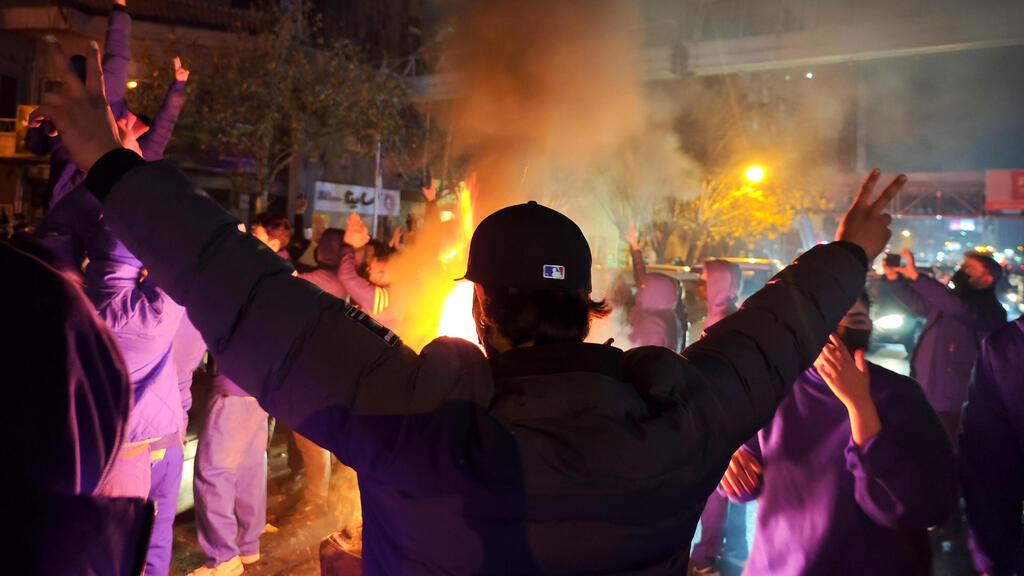
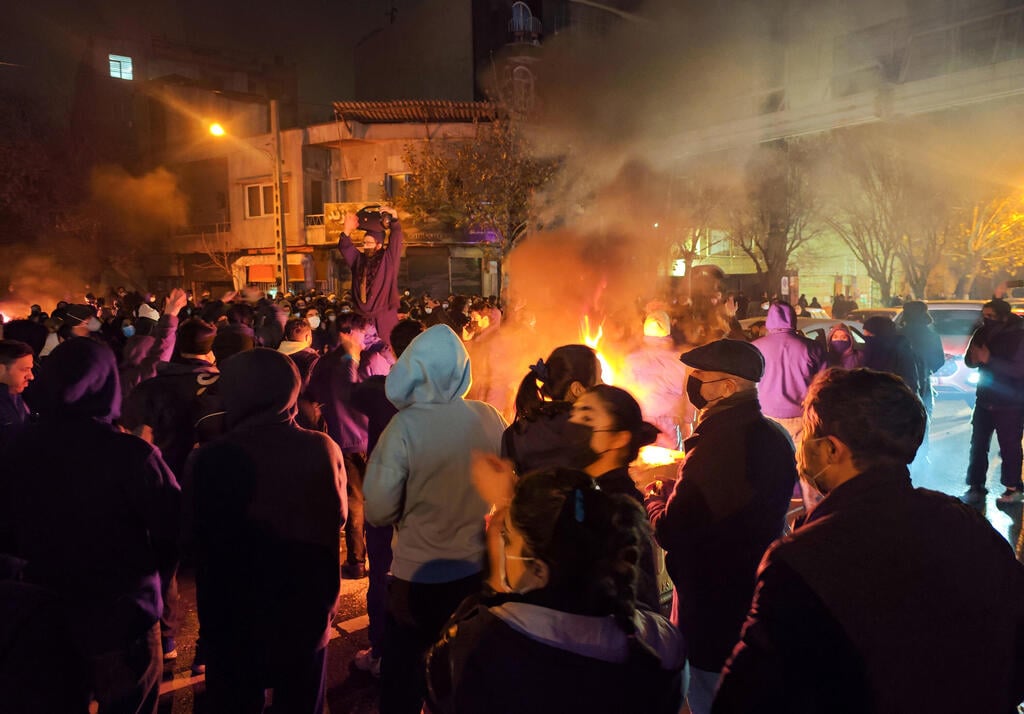
(Photo: Anonymous/Getty Images)
Against that backdrop, U.S. President Donald Trump appeared increasingly inclined to act on his threats against the Islamic Republic. In a post on his social media platform Truth Social, Trump announced he was canceling talks with Iranian officials that he said had been planned and urged Iranian protesters to continue demonstrating.
“Iranian Patriots, KEEP PROTESTING – TAKE OVER YOUR INSTITUTIONS!!! Keep the names of the killers and abusers. They will pay a heavy price,” Trump wrote.
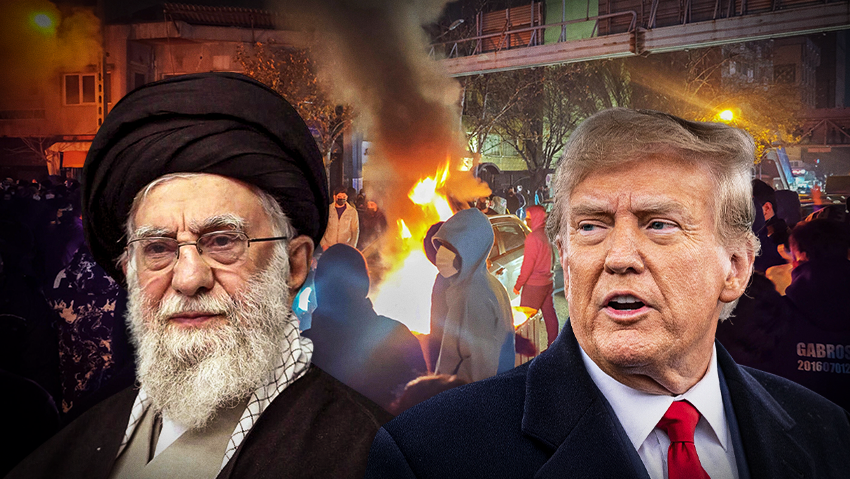
Ali Khamenei and Donald Trump
(Photo: Anonymous/Getty Images, lev radin/shutterstock)
He added: “I have cancelled all meetings with Iranian officials until the senseless killing of protesters stops. Help is on its way. MIGA!!!” The acronym stands for “Make Iran Great Again,” a play on Trump’s campaign slogan.
Iranian officials responded sharply. Iranian National Security Council Secretary Ali Larijani responded to Trump, saying, "We announce the names of the main killers of the Iranian people, Trump and Netanyahu."
Trump’s post came a day after he revealed that Iranian officials had proposed renewing talks with Washington over Iran’s nuclear program, an offer he signaled he was open to considering. However, the latest reports on the scale of the killings appeared to harden his stance, with some observers viewing Tehran’s outreach as an attempt to delay or avert a possible strike.
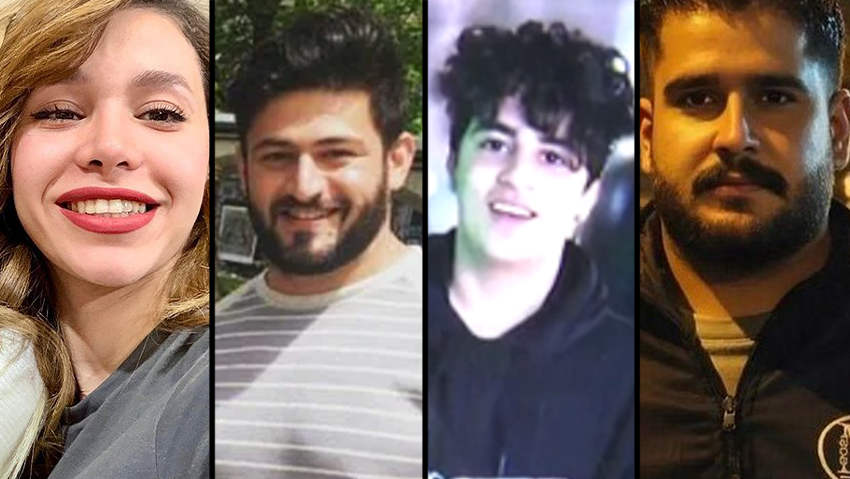
Four of the massacre victims, from right to left: Mohammad Kouhkan, Amir Ali Heydari, Mehdi Zatparvar and Robina Aminian
Meanwhile, international efforts to document the situation inside Iran have continued despite the regime’s attempts to isolate the country by cutting off communications. Internet shutdowns have persisted for five consecutive days, though a partial easing was reported Tuesday morning, allowing some residents to make phone calls abroad for the first time.
Residents who spoke with foreign media described a heavy security presence in Tehran and said authorities ordered shop owners in the capital’s Grand Bazaar to reopen in an effort to project an image of normalcy. The bazaar had been a focal point of the protests, which erupted in late December amid economic collapse and a sharp drop in the value of Iran’s currency.
Thousands of protesters have also been arrested. The U.S.-based Human Rights Activists News Agency reported at least 10,600 detainees. Iran Human Rights, an Oslo-based organization, said one detainee, Arfan Soltani, 26, from Karaj near Tehran, was arrested last Thursday, swiftly tried and sentenced to death. Authorities informed his family the execution is expected to take place as early as Wednesday.
Iranian state television has continued to broadcast displays of support for the regime, including funerals for security personnel said to have been killed in Isfahan. Officials have consistently portrayed the protests as serving the interests of Iran’s enemies.
Earlier Tuesday, Iran’s Intelligence Ministry claimed it had seized a large shipment of “electronic items for espionage and sabotage,” alleging the equipment was smuggled into the country and intended for use in protest areas. The ministry said the devices could have enabled foreign “terrorists” to access mobile and internet networks in locations cut off from communications.