

Yasser Abu Shabab, the head of a militia in southern Gaza that cooperated with Israel during the war, has died, Israeli security officials said Thursday. The officials said he was fatally injured after being beaten during an internal dispute within his group, apparently tied to disagreements over its coordination with Israel.
His deputy, Rassan al-Dheini, confirmed the death in a Facebook post using a traditional Islamic verse. He is expected to assume leadership of the Popular Forces militia.
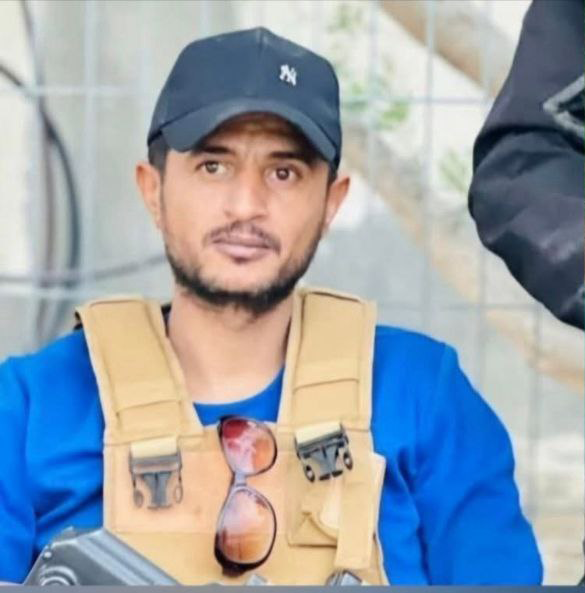
Al-Dheini told ynet he had not been wounded, countering earlier rumors, and said the group held a modest burial for Abu Shabab in Rafah.
In a subsequent message to ynet, al-Dheini vowed the militia would continue operating:
“By God’s will, according to the plan of my brother Yasser, we will be exactly where we were—only more determined and stronger,” he said. “We will keep fighting the remaining terrorists, young or old. Hamas will see the true face they should have seen long ago. We continue, and we are a source of hope for all free people who want to see an end to this terrorist group.”
Al-Dheini claimed Abu Shabab had been attempting to mediate a dispute between two local clans—al-Adbari and Abu Sneima—when a stray bullet struck him. Israeli officials, however, say he died from injuries sustained during an internal beating.
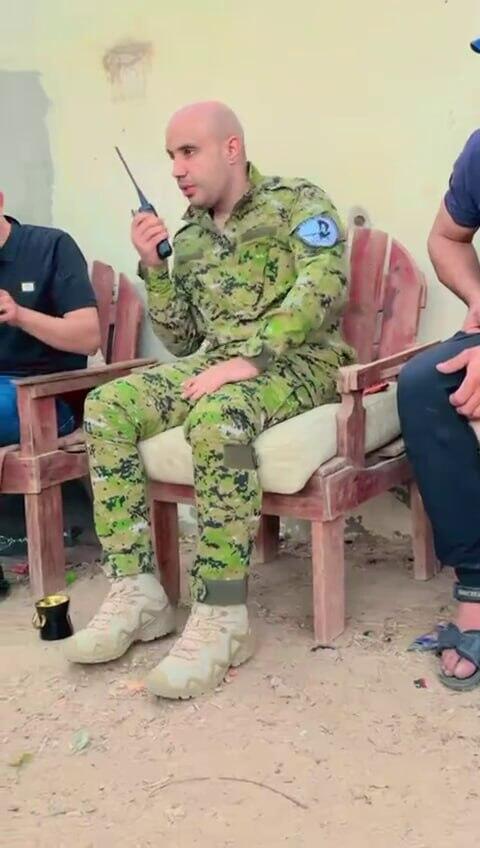
Rassan al-Dheini
Internal violence among Gaza’s local armed groups has become more common, independent of Hamas’ own campaign against factions viewed as rivals. Israeli officials say Abu Shabab’s death is likely to strengthen Hamas’ hold on Gaza and complicate Israel’s efforts to cultivate alternative local forces for postwar governance.
Israel supported the Popular Forces during the war as part of a strategy to back anti-Hamas factions in Rafah. After the October ceasefire, Israeli intelligence warned that power struggles could intensify between Hamas and local clans. Hamas operatives had previously attempted to assassinate Abu Shabab, officials said, but failed, partly because he was staying in an area under Israeli control at the time.
In early October, the militia told ynet it backed the ceasefire and the release of hostages but intended to maintain its presence in Rafah, describing its vision for Gaza as “a safe place without terror groups, unnecessary weapons or wars.”
First published: 19:30, 12.04.25