


The stray dog problem in communities near the Gaza border is no longer just a nuisance — it is a ticking time bomb. What was once a matter of a few feral dog packs crossing the border has grown into massive packs whose impact on Israeli nature, wildlife and people is significant. Without government intervention, experts warn that feral dogs could even contribute to the extinction of local species.
Gallery
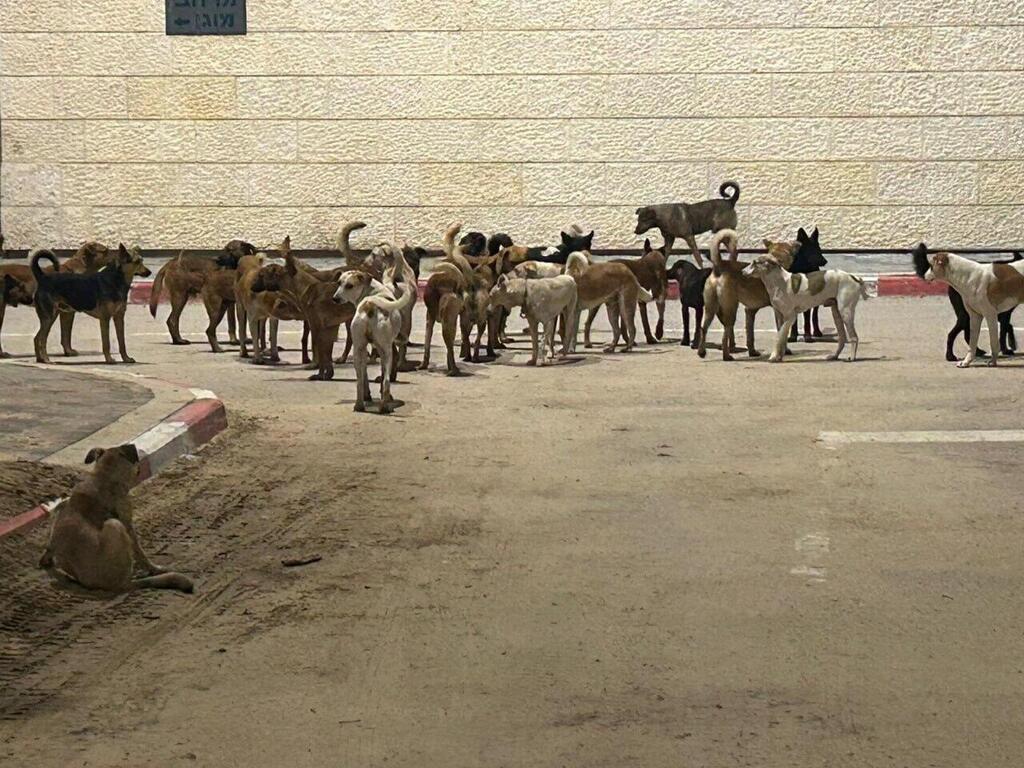
The stray dog problem in communities near the Gaza border is no longer just a nuisance
(Photo: Meir Avitan)
“Some of the dogs come from Gaza through openings used by the military,” he said. “They have learned to enter through escape routes, and some have even learned how army and community security gates operate. Sometimes they trigger military alerts along the border fence. Many of them damage agricultural farms. Some eat chickens, cattle and residents’ dogs. I encounter many packs barking at passing soldiers, and we have cases of residents being bitten while out walking. They also reach the new American bases. You see many dogs there and no one is dealing with them.”
Dr. Evgeny Komlev, director of veterinary services for the Western Negev Regional Cluster, said the issue has long ceased to be a local problem.
“The stray dog phenomenon is no longer just an issue for one authority or another, but a national challenge that requires a systemic response,” he said. “A stray dog can pose a risk to public safety, harm wildlife and agriculture, and reproduce at a rate that makes the problem extremely difficult to control.”
The concern is compounded by fears of a rabies outbreak, with 71 cases already recorded this year, as well as warnings that the dogs could drive the endangered Israeli gazelle toward extinction.

The concern is compounded by fears of a rabies outbreak
(Photo: Dudu Avitan)
A study by Dr. Regev Manor and Prof. David Saltz, conducted in the area between Ashdod Dunes, Nitzanim and Zikim, found that stray dogs have a particularly severe impact on young gazelle fawns, many of which do not survive beyond six months because of hunting by dog packs.
“If we had not dealt with stray dogs in the past, in areas such as Nitzanim Nature Reserve, the local gazelle population would have been driven to extinction,” said Prof. Dror Hawlena, chief scientist at the Israel Nature and Parks Authority.
“These are experienced hunters that operate in packs. But we are talking about huge packs, not three or four dogs. We are currently in the birthing season, and the number of stray dogs continues to rise.”
According to Hawlena, observations have documented numerous cases of direct attacks on wildlife, including gazelles, hares, striped hyenas and likely other animals such as hedgehogs.
“This creates population-level consequences, and some species are approaching local extinction. Rangers, hikers and farmers are reporting dead gazelles,” he said.
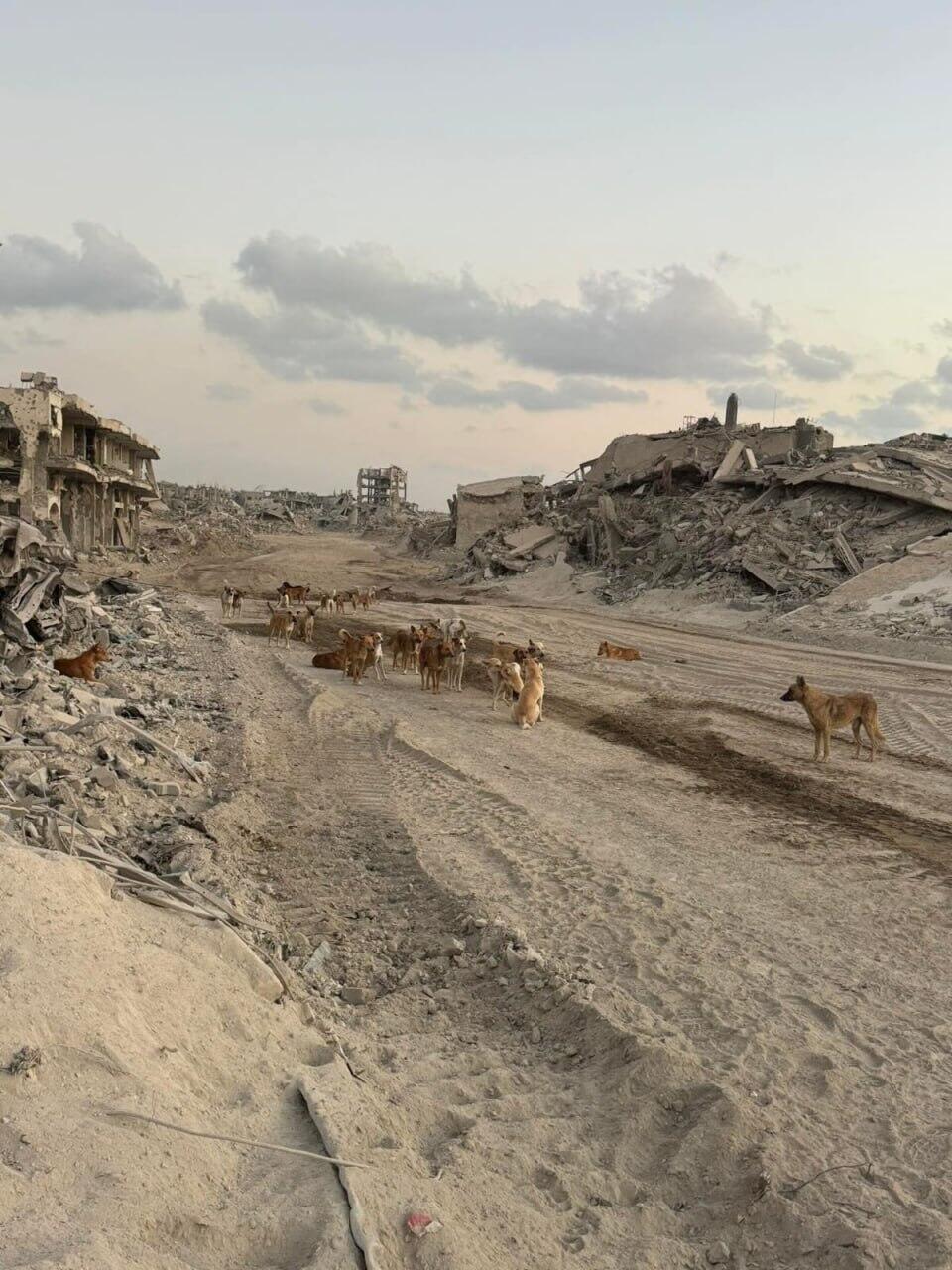
Stray dogs have a particularly severe impact on young gazelle fawns
(Photo: Meir Avitan)
What can be done?
“First of all, the source of the problem must be addressed,” Hawlena said. “That source may be animals entering from areas outside Israel or people abandoning dogs in open spaces because they do not want to care for them. That means strengthening border fencing and increasing public awareness.”
He added that stray dog populations rely largely on waste, and the Gaza border region has seen a significant increase in garbage, including around military bases.
Bella Alexandrov, CEO of the Western Negev Cluster, said the issue extends beyond animal welfare.
“A stray dog is not just an animal issue, but part of the broader fabric of life in the Western Negev,” she said. “When left untreated, the phenomenon can affect agriculture, create challenges in open areas and even interfere with security and military operations. Our responsibility is to act professionally to protect public safety and health while ensuring humane treatment and proper care for the animals themselves.”
One of the main obstacles is that local veterinary services lack the budget and manpower needed to tackle the problem independently. In an official letter sent to the head of veterinary services at the Ministry of Agriculture, leaders of Gaza border communities stated that they cannot address the issue using their existing budgets.
Officials in the regional cluster argue that the required solution is for the Ministry of Agriculture to directly contract professional animal catchers who would manage operations from planning through completion without relying on the regional veterinary service. They say such a framework is the only way to ensure rapid, efficient and effective use of funding while protecting both public safety and animal welfare.
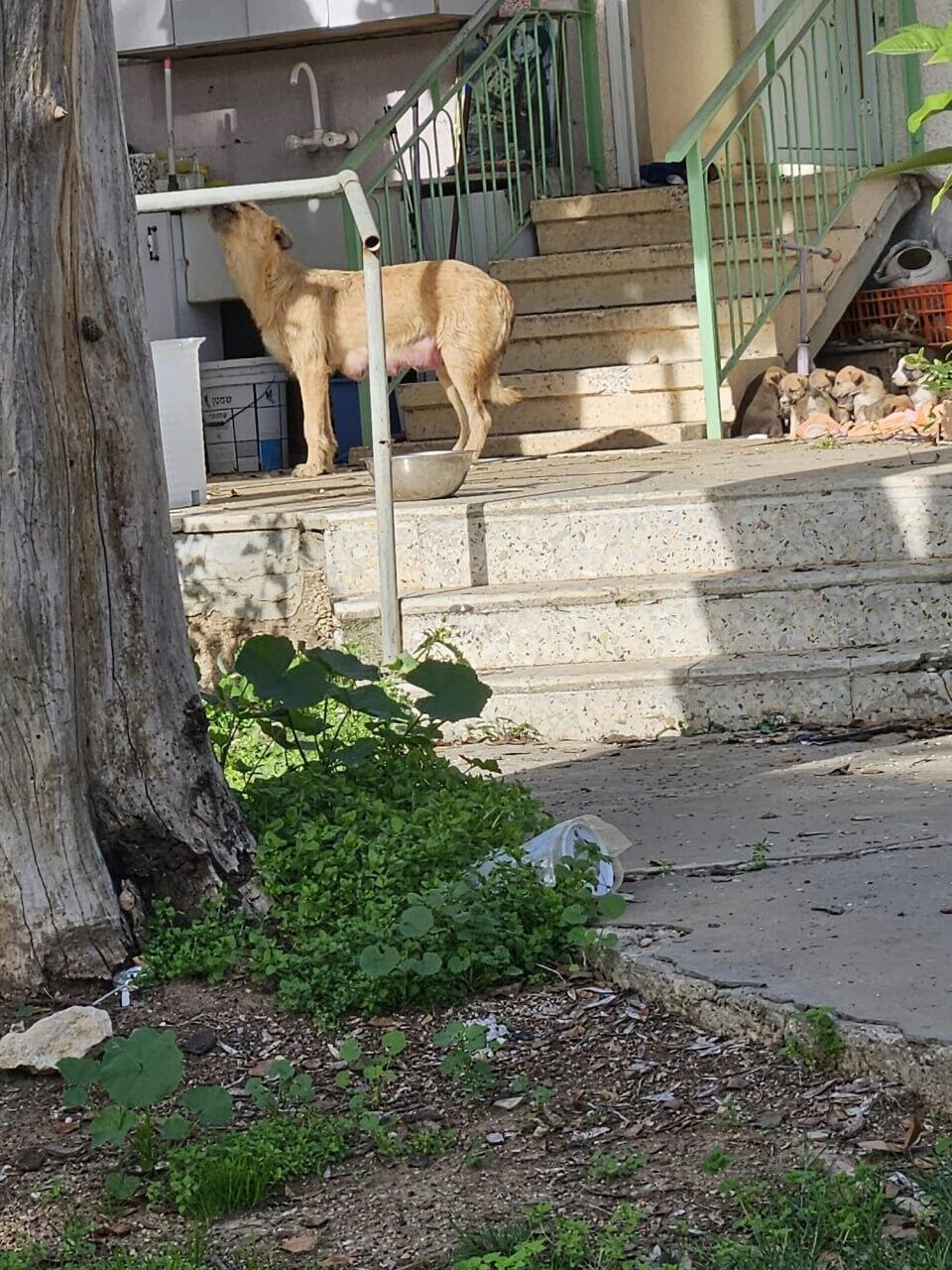
'A stray dog is not just an animal issue, but part of the broader fabric of life in the Western Negev'
(Photo: Meir Avitan)
They also note that regional veterinary services are primarily tasked with serving local residents, and combating large populations of feral dogs is not part of their routine responsibilities.
“We are very concerned that rabies could spread from these stray dog populations into nature reserves,” Hawlena added. “Then we would be facing a double threat. Once the situation gets out of control — and we are very close to that point in Israel — we fear that mass poisonings will begin, causing severe damage to wildlife. In that respect, we could find ourselves returning to the 1950s.”
The Israel Defense Forces said in a statement: “Stray dogs within Israel are the responsibility of the Ministry of Agriculture and local authorities. At the same time, the IDF adopts an expanded responsibility approach and acts proactively to assist in addressing the issue and advancing solutions.
“As part of these efforts, several measures have been implemented to reduce animals’ access to waste and maintain proper sanitary conditions. Among other steps, all low garbage bins have been replaced with taller bins that do not allow easy access to waste. Entry gates have also been installed at military positions to prevent animals from entering whenever possible.
“Commanders regularly address the issue, and cleaning inspections are conducted at military posts. The IDF has an order prohibiting soldiers from initiating contact with animals for health and general security reasons. The issue is recognized and is currently being addressed by the relevant authorities.”