

Three days after Palestinian terrorists shot and killed six people at a busy Jerusalem junction, the IDF’s Central Command continued on Thursday to track down potential accomplices, conducting arrests and searches in West Bank villages linked to the assailants.
Despite a significant drop in terror attacks compared to the past decade, an intelligence official warned, “There’s a deceptive calm in the West Bank.” The ease with which the attackers breached gaps in the separation barrier has alarmed IDF officials, raising fears of copycat lone-wolf attacks.
The breach in the West Bank border barrier used by terrorists
(Video: Alex Gamburg)


Gallery

Palestinian terrorists shot and killed six people at a busy Jerusalem junction
(Photo: Alex Kolomoisky)
On Wednesday, two days after the attack, Ynet reporters observed open breaches in the border barrier near Jerusalem, with only one police patrol passing during an hour-long visit and no security forces visible.
The barrier around Jerusalem, often crossed by undocumented Palestinian job seekers, has also been exploited by terrorists. In 2019, a terrorist breached a gap near Har Gilo, murdering 19-year-old Ori Ansbacher, and similar breaches facilitated later attacks in the city.
The police emphasized that securing the barrier is a national task involving all security agencies, saying, “Over 11,000 illegal infiltrators have been arrested since the start of the year.” They noted repeated warnings about the barrier’s condition over the past year, adding, “Every infiltrator is a potential terrorist.”
A Jerusalem resident lamented, “It’s tragic that breaches are addressed only after six Jews are slaughtered. Our lives aren’t expendable. Security officials must act to end this infiltration chaos.”
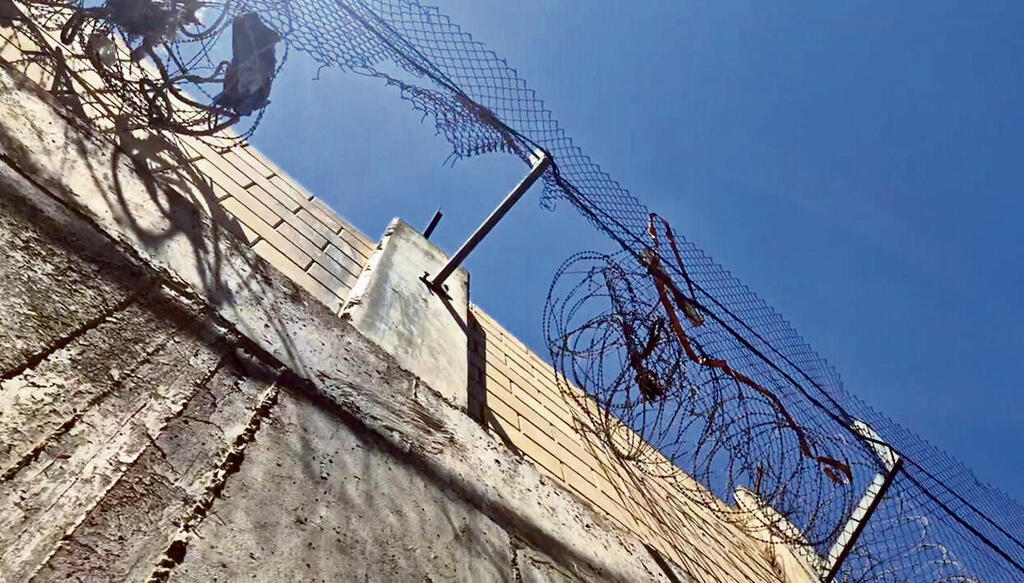
Broken border fence used by terrorists
(Photo: Alex Gamborg)

Six victims of Jerusalem terror attack
Since October 7, Israel has banned Palestinian workers from entering, except for about 8,000 deemed essential, while approximately 15,000 work in West Bank settlements, where local authorities decide entry. Security officials estimate 50,000 illegal workers are in Israel at any time.
The ban has fueled a thriving illegal infiltration industry, with a former security official noting, “If Israel wanted to seal all breaches hermetically, it would have. For years, illegal workers have entered.” He added, “It’s good for Israel’s economy and Palestinian cities, but action only follows attacks.”
The Palestinian Authority’s dire economic situation drives desperate workers to risk infiltration, potentially destabilizing its governance. A collapse could create a fertile ground for terrorist groups to exploit instability, recruiting operatives with foreign funding. Central Command plans to tighten the separation barrier with proactive measures in the coming days, though a complete seal remains elusive.