

Israeli tanks advanced into the Sabra neighborhood of southern Gaza City on Monday, surrounding a school and a UN-run clinic amid heavy airstrikes, according to Gaza reports. The move came hours after Prime Minister Benjamin Netanyahu met with Defense Minister Israel Katz and military chief Lt. Gen. Eyal Zamir to discuss what officials described as “the plan for Gaza City,” as Hamas indicated it had accepted the latest ceasefire proposal from international mediators.
Sabra, Gaza City’s largest neighborhood, is the latest target of Israel’s campaign, following similar operations in the Zeitoun district last week. At a commanders’ forum, Zamir said the war had reached “a turning point” and the army was preparing to move into the next stage of Operation Gideon’s Chariots, focused on “intensifying strikes against Hamas in Gaza City.” He told officers to ready all units for further fighting while continuing efforts to secure the release of hostages held in Gaza.
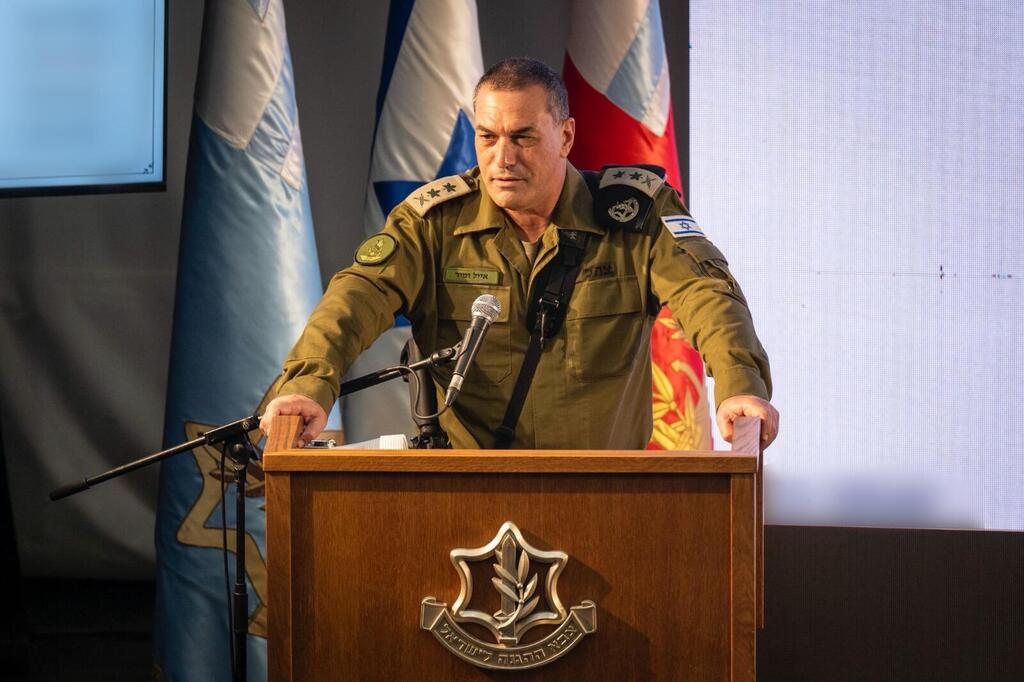
Zamir has argued in recent meetings that Israel should allow a temporary halt in fighting to enable a partial hostage deal, then resume the offensive until Hamas is defeated. “We will take every decision responsibly and with due seriousness,” he said.
Defense Minister Katz told the forum that Hamas’ willingness to discuss a deal was driven by fear of an Israeli takeover of Gaza City. “The fall of Gaza City will bring the fall of Hamas,” he said, calling the city the group’s military, political and symbolic stronghold. He added that “at this stage, Gaza carries far greater weight than at the beginning of the war,” and that Hamas understood the significance of its potential loss.
Hamas and other Palestinian factions announced Monday they had accepted a ceasefire proposal put forward by Qatar and Egypt. Netanyahu, responding to the reports, said: “From what you hear in the media, one thing is clear — Hamas is under immense pressure.”
An Arab diplomatic source said Hamas’ response was positive and based on the so-called “Witkoff framework” with minor adjustments, describing it as “Witkoff Plus.” He said the plan could form the basis for indirect talks between Israel and Hamas. An Israeli official stressed Israel’s conditions remain unchanged: the release of all hostages and fulfillment of terms set for ending the war.
Regional media reports said the plan calls for a 60-day truce during which the parties would negotiate a permanent ceasefire. A Palestinian official told Lebanon’s Al Mayadeen network that under the proposal, Israel would withdraw up to 1,000 meters from parts of northern and eastern Gaza, excluding Shejaiya and Beit Lahiya. In return for 10 living hostages, Israel would release 140 Palestinians serving life sentences and 60 others serving at least 15 years.

Trucks loaded with aid waiting to enter Gaza
(Photo: REUTERS/Stringer)
The official said humanitarian aid, including fuel, water, electricity, medical and bakery repairs and rubble-clearing equipment, would flow into Gaza immediately once the deal took effect. Aid distribution would be handled by the United Nations, the Red Cross and other international groups, not the American aid foundation GHF, as Hamas had previously requested.
The plan also calls for the Rafah crossing to reopen in both directions. For each deceased Israeli hostage, Israel would return the bodies of 10 Palestinians. All women and children held in Israeli prisons would be released.
An Egyptian official told Reuters the proposal envisions a 60-day halt in fighting, during which half of the remaining hostages would be freed. He said it could pave the way for a permanent agreement to end the war.