

Nearly eight months after Israel and the United States carried out strikes in Iran last summer, residents of Tehran say they are again bracing for the possibility of a broader conflict as the United States expands its military presence in the Middle East.
The recent deployment of additional U.S. forces, including aircraft carriers in the region, has fueled anxiety in the Iranian capital, where memories remain fresh of the 12-day conflict in June that ended in a fragile ceasefire.

“I sleep badly at night, even with medication,” said Hamid, a retiree in Tehran, speaking to Agence France-Presse. Others described similar fears as speculation grows that another round of fighting could erupt in the coming days.
On Friday, U.S. President Donald Trump said he was “considering” a strike against Iran, prompting many in the Islamic Republic to recall the night of June 12-13, when Israel launched a surprise attack as Tehran was preparing for renewed nuclear negotiations with Washington.
“I think a war between Iran, the U.S. and Israel is inevitable,” said Mina Ahmadvand, an information technology worker in Tehran. “Everything changes by the hour.”
Haniyeh, a 31-year-old jeweler, said she has struggled with anxiety since the previous round of fighting.
“I can’t sleep at night anymore. I have nightmares where I am being chased and I die,” she said. “I go to bed late, wake up late and I am depressed.”
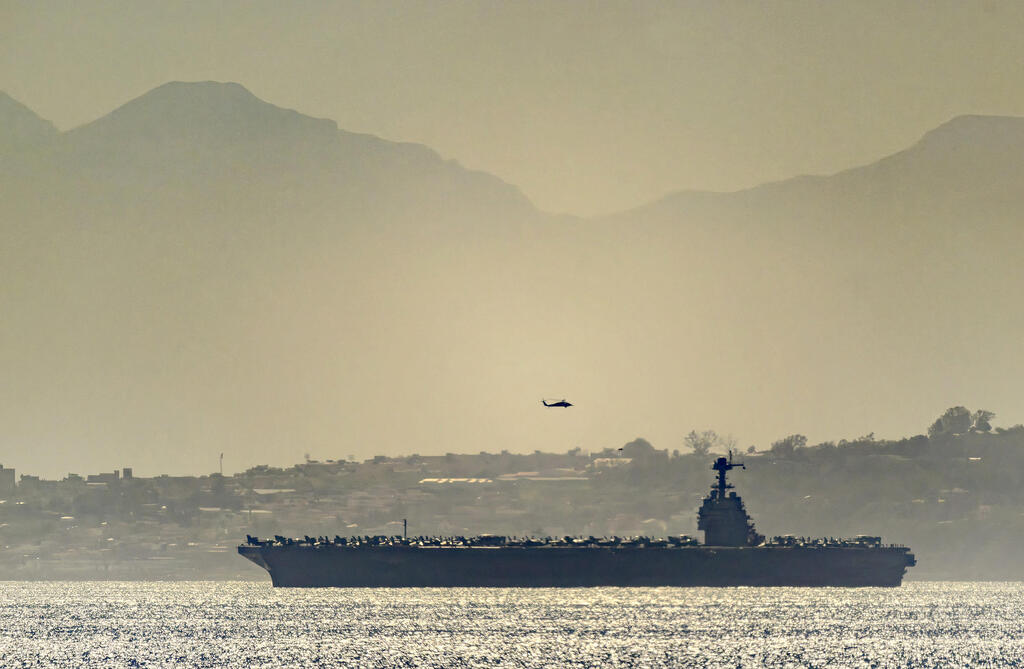
USS Gerald R. Ford
(Photo: David PARODY / DM PARODY / AFP)
A recent nighttime thunderstorm in Tehran and fireworks marking the anniversary of the 1979 Islamic Revolution were enough to alarm some residents, who initially feared fighting had resumed.
Iran has warned that in the event of an attack, Israel would be considered a legitimate target, along with U.S. bases in the Middle East.
Concerns have also been heightened by domestic unrest. Trump has cited a figure of more than 30,000 protesters killed during demonstrations in January, a claim that differs from other estimates. Human rights groups have accused Iranian security forces of deliberately targeting protesters, while Iranian authorities have said many of those killed were security personnel or bystanders slain by what they describe as terrorists backed by Israel and the United States.
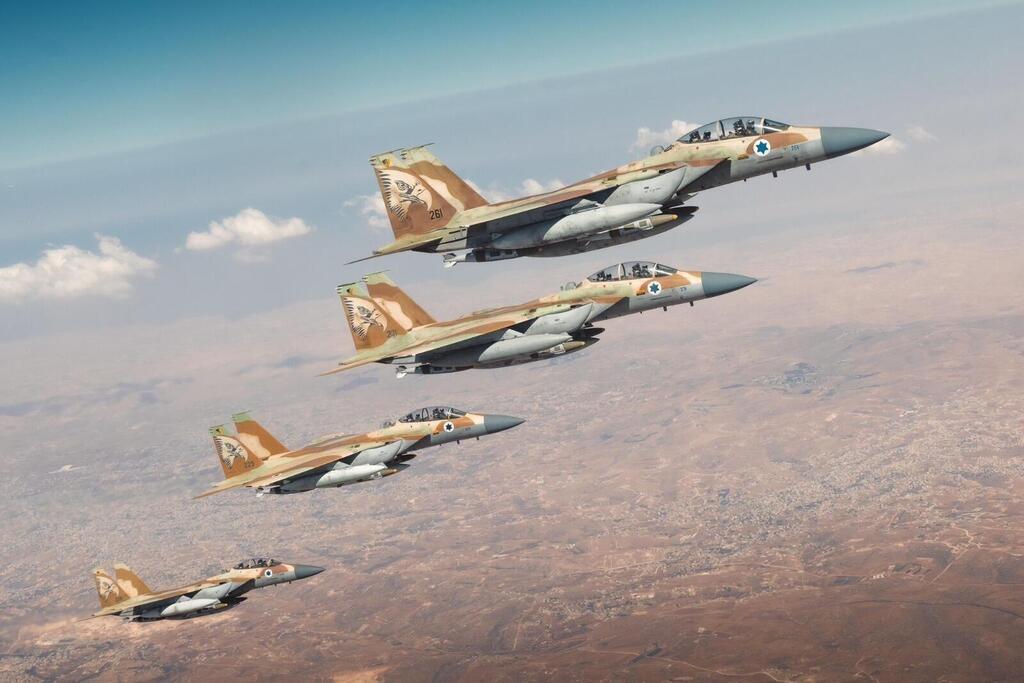
(Photo: IDF)
“Since the protests, my life has been on pause,” Haniyeh said. “Now with this situation, we are waiting to see what happens. I think war will break out within 10 days.”
Despite the tense atmosphere, daily life in Tehran — a metropolis of about 10 million people — has continued largely as usual. Traffic congestion remains heavy and pedestrians weave through crowded streets lined with motorcycles carrying goods.
Behind the outward routine, however, some residents are taking precautions.
“I bought about 10 cans of food, including tuna and beans, as well as cookies, bottled water and spare batteries,” Ahmadvand said. “I don’t wish for war, but we must not take the situation lightly.”
She said she had stocked enough supplies for a week and sealed her windows in preparation for a possible emergency.
“I am applying the lessons I learned from the 12-day war,” she said.