

The IDF is preparing for the possibility of a prolonged stay in southern Lebanon, even as U.S. officials say a pilot plan for an Israeli withdrawal from certain areas could begin within days.
The issue came into sharper focus after U.S. President Donald Trump said Israel would soon withdraw from southern Lebanon. Defense Minister Israel Katz responded two days later with a blunt message, saying Israel “did not ask permission from anyone to enter Lebanon, and we do not need permission to remain in Lebanon.” Israeli defense officials said that, if required, the IDF would prepare for a longer deployment in several configurations on the ground.
Israeli Air Force strikes in southern Lebanon


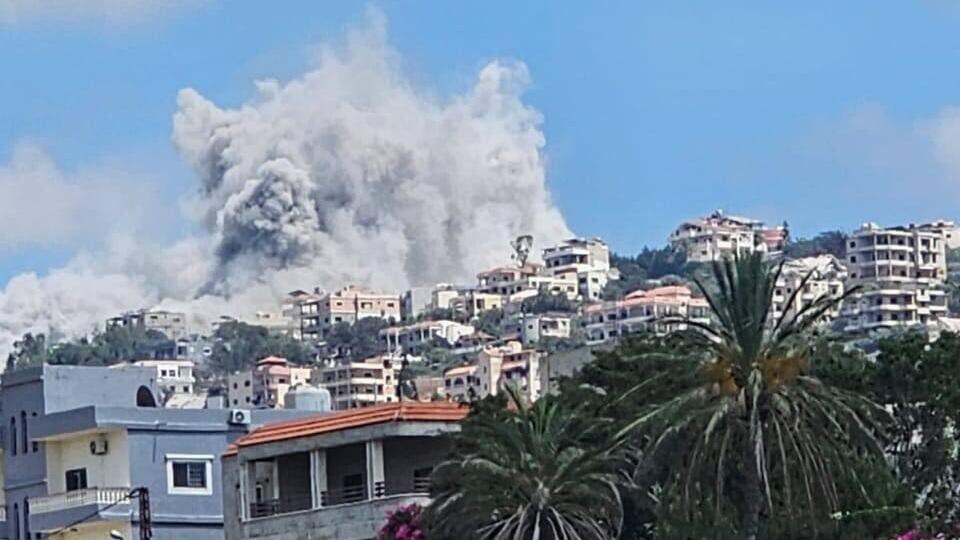
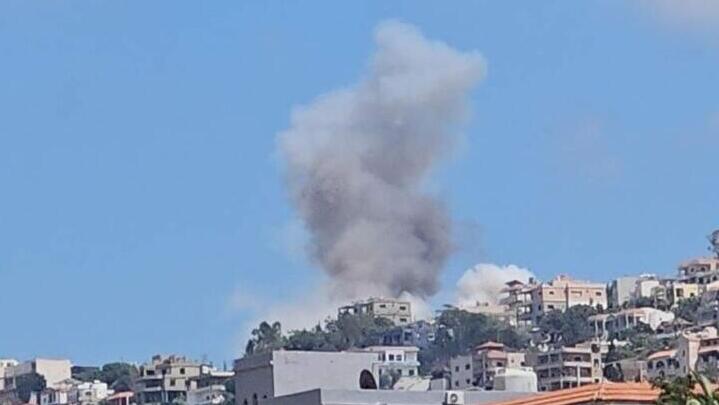
At the same time, Israeli Air Force strikes in southern Lebanon have continued. On Saturday, drones struck in Tebnine and Majdal Zoun, followed by a relatively unusual series of strikes in the village of al-Mansouri. Lebanese reports said there were casualties in those strikes.
Defense officials said that, as of now, no order has been received to withdraw from the areas where Israeli forces are positioned in Lebanon. Along the Yellow Line, IDF troops continue clearing terrain, searching terrorist infrastructure, rotating forces and preparing additional attack plans in case the ceasefire collapses.
The IDF is also working to advance the destruction of underground terrorist infrastructure discovered across the area, from the Litani River to the borders of the yellow line, including along the Ali Taher ridge. Officials compared the effort to the destruction of infrastructure several days ago in Majdal Zoun, in the western sector.
Security officials said the IDF presence at commanding points gives Israel observation and fire control over the Nabatieh area, which they describe as a major Hezbollah center of gravity.
The proposed pilot project, under which Israel would withdraw from certain areas and hand them over to the Lebanese Army, has not yet begun. A U.S. official said two days ago that it was expected to start within days.
The IDF assessment is that Hezbollah, as in previous rounds, is exploiting the ceasefire to reorganize, refresh its forces and replenish its weapons stocks. The military said Israel’s freedom of action remains intact and that it continues to fire in order to remove direct threats. Israeli officials said there are currently no forward raids deep into the area, but they insist the rules for using fire are clear.
Ahead of another round of talks
Israel and Lebanon are expected to hold another two-day round of talks next week in Rome, following the framework agreement signed in the United States by the two countries’ ambassadors. The meeting could be postponed by a week because Lebanese President Joseph Aoun is expected to visit Washington on July 21.
U.S. officials are still considering the possibility of a trilateral meeting between Trump, Prime Minister Benjamin Netanyahu and Aoun, but the Lebanese side strongly opposes a meeting with Netanyahu. Trump may try to apply pressure to make such a meeting happen. No date has yet been set for Netanyahu’s own visit to Washington, though next week has been discussed.
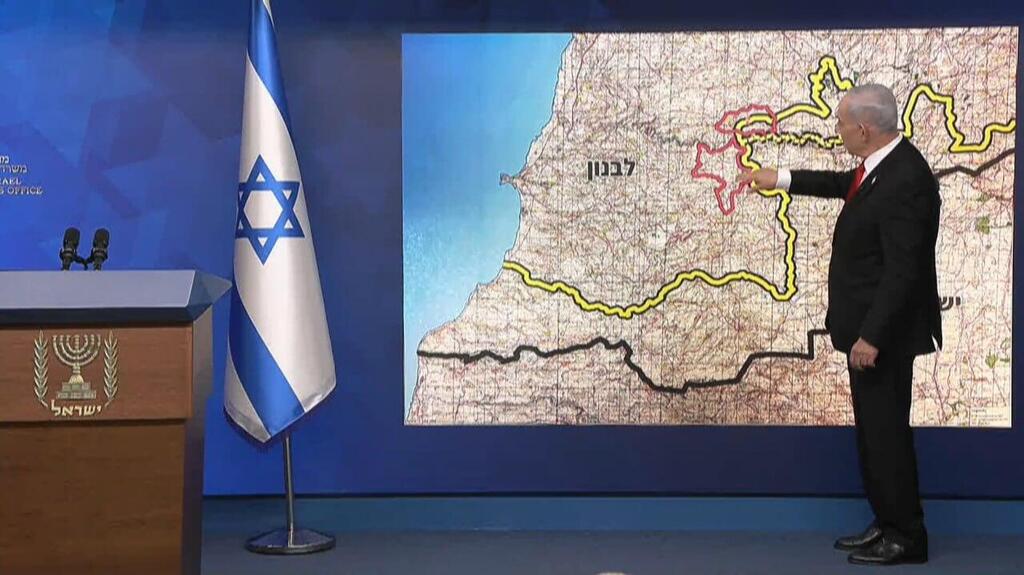
PM presents pilot areas in southern Lebanon
(Photo: GPO)
In briefings presented to Israel’s security Cabinet, officials described Israel’s position in the Lebanon talks as “excellent.” They argued that the agreement effectively created a separation from Iran and, more importantly, gave Israel legitimacy from the sovereign state in the territory.
According to the Israeli assessment, the agreement gives Israel international legitimacy to remain in a security zone inside Lebanon, about 8 to 10 kilometers deep, and to continue clearing and dismantling terrorist infrastructure there until Hezbollah is disarmed.
Israeli officials view that as a major achievement: remaining in the area with authorization while the IDF continues dismantling infrastructure.
The IDF is expected to hand over two pilot areas to the Lebanese Army. A senior Israeli official said it would take at least several weeks before the Lebanese Army is prepared for that step.
“As far as Israel is concerned, there are no more pilots on its side of the yellow line. Everything goes out,” the official said. “We assess that the Lebanese Army cannot dismantle Hezbollah, and that in the end we will have to do it ourselves, in our own time. We will prepare for it with intelligence and with everything necessary.”
The official said Israel’s goal during this period is to remain in the security zone, push the enemy away from Israeli communities, distance the threat and thoroughly clear the entire area. “That is something that has never happened before,” the official said.