

The head of Iran’s Revolutionary Guards Corps warned Tuesday that “restraint is over” and threatened escalation beyond the region, hours before a deadline set by U.S. President Donald Trump.
“If the United States crosses Iran’s red lines, the response will extend beyond the region,” the IRGC said, warning neighboring countries that all U.S. infrastructure and that of its allies could be targeted, along with long-term disruption to regional oil and gas supplies.
Destruction of a railway track in Iran


Strike in Parchin, near Tehran
The warning came as Trump’s ultimatum to Iran approached expiration overnight. According to his timeline, if Iran does not reopen the Strait of Hormuz, the United States could strike energy facilities and bridges as early as 3 a.m. local time.
Qatar’s Foreign Ministry also warned the situation was nearing a point where it could spiral out of control. “We are close to a stage where the region could lose control. There will be no winners if the war continues,” a spokesman said.
In a post on his Truth Social platform, Trump issued another stark warning: “An entire civilization will die tonight, never to be brought back again.” He added that while he did not want that outcome, “it probably will.”
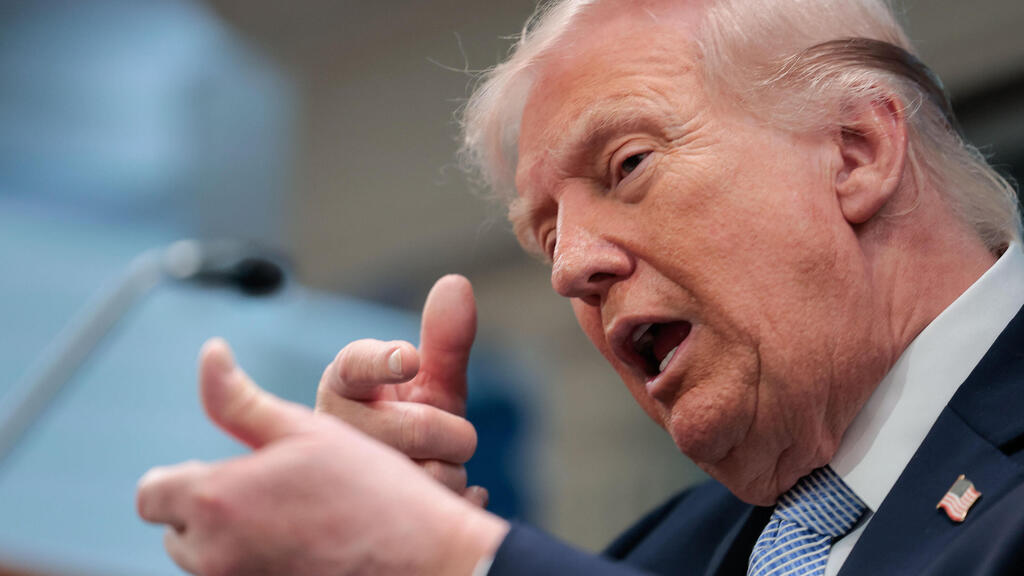
Despite the threats, Trump suggested a possible diplomatic opening, saying that with what he described as a “complete and total regime change” led by “different, smarter and less radicalized minds prevail,” a breakthrough could still occur.
Earlier Tuesday, reports emerged of explosions on Iran’s Kharg Island, a key oil export hub in the Persian Gulf. A U.S. official confirmed to Axios that American forces carried out strikes on military targets there, including bunkers, radar stations and ammunition storage sites. Oil infrastructure and docking facilities were not intentionally targeted.
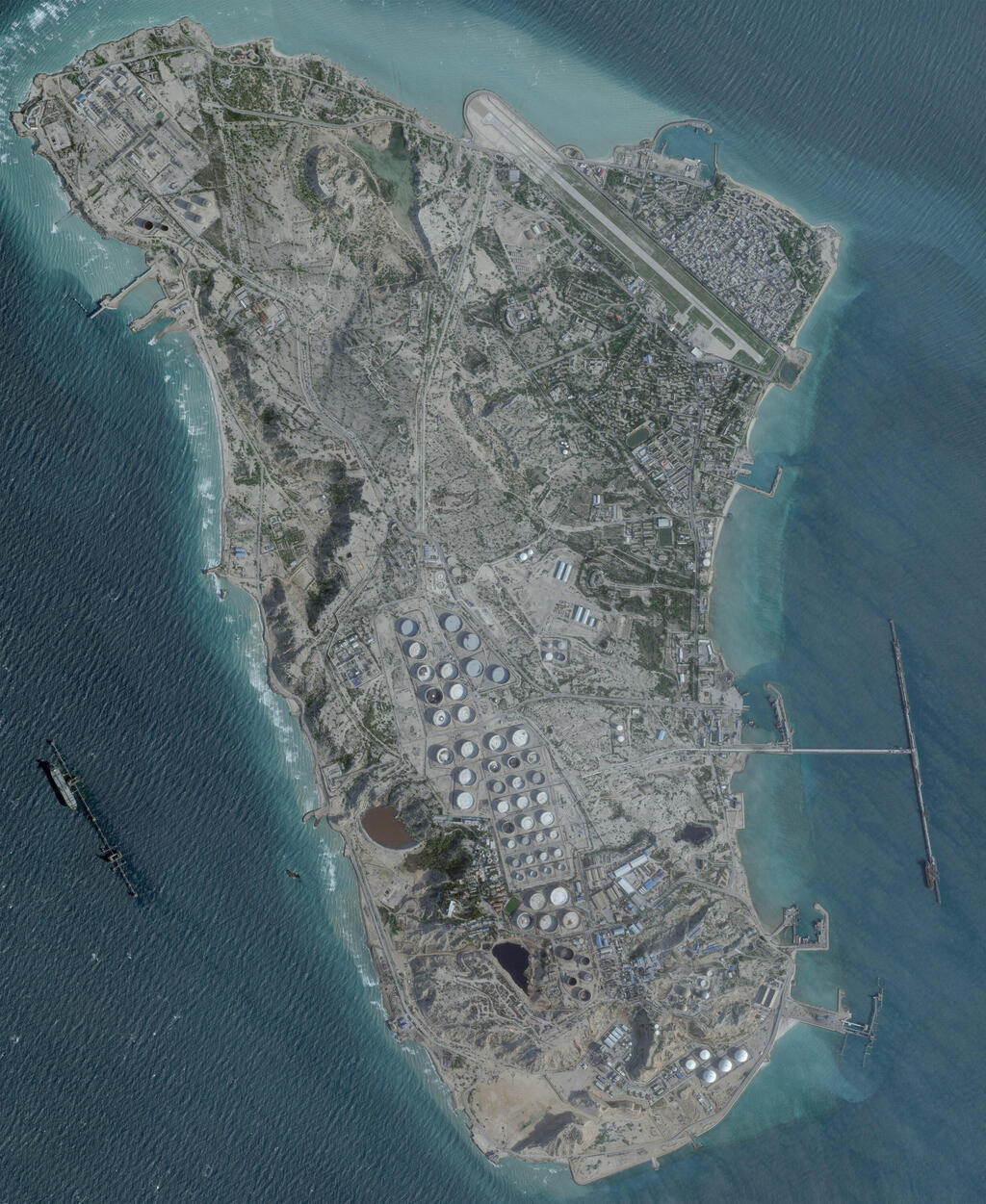
Kharg Island, dozens of military targets were struck today
(Photo: 2026 Planet Labs PBC/Handout via Reuters)
Kharg Island handles about 90% of Iran’s oil exports, making it a critical energy node. Iranian outlet Nour News reported power outages in parts of the island following damage to transmission lines.
Separately, the Israeli military said it completed a broad wave of strikes on Iranian infrastructure, targeting railway bridges and transport routes used by the Revolutionary Guards to move weapons.
Iranian media reported that multiple bridges were hit across the country. The opposition-linked outlet Iran International reported a large explosion at the sensitive Parchin military complex southeast of Tehran, a key site for missile and weapons production.
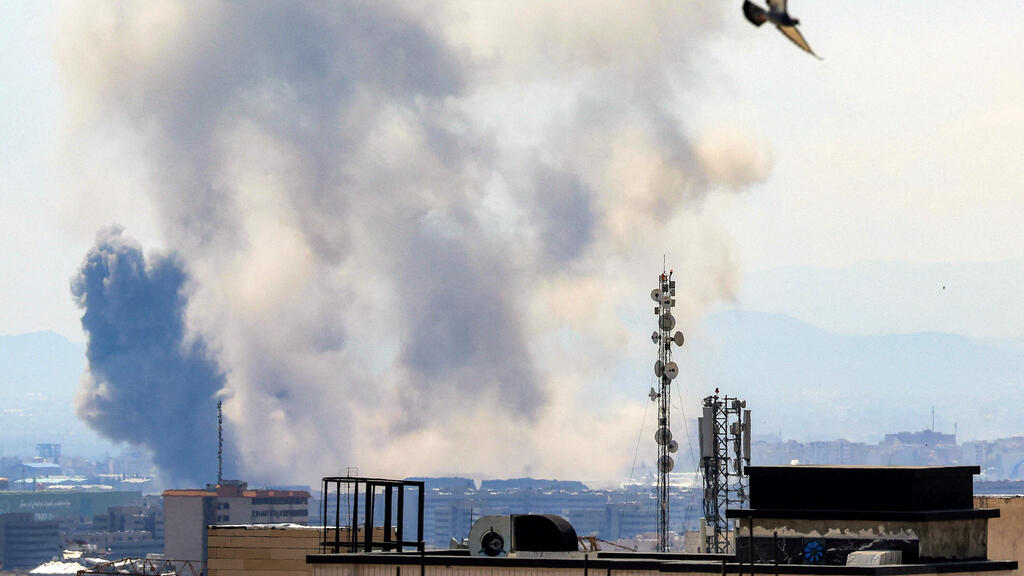
Tehran
(Photo: Atta Kenare/ AFP)
The Israeli military also confirmed a strike on a petrochemical complex in Shiraz, describing it as one of the last facilities producing chemical components used in explosives and ballistic missile development.
In an unusual move, the Israeli military issued a warning in Persian urging civilians to avoid train travel across Iran until 9 p.m. local time, citing risks to passenger safety.
Iranian authorities halted train operations in some areas following the warning, including routes from Mashhad.
Throughout the day, additional explosions were reported in Tehran, Karaj and Ahvaz. Iranian reports said at least 18 people were killed in an airstrike in Alborz province, and that Khorramabad airport was also hit.
Mehrabad Airport in Tehran was struck
Global oil markets reacted sharply to the escalating tensions. U.S. crude rose to around $114 per barrel, while Brent crude reached approximately $111.
International Energy Agency chief Fatih Birol warned that the current disruption, linked to the closure of the Strait of Hormuz, could surpass the combined impact of past crises in 1973, 1979 and 2002.
“The world has never faced an energy supply disruption of this scale,” he said.
Meanwhile, diplomatic efforts continued behind the scenes. The New York Times reported that Iran submitted a 10-point proposal to Washington seeking guarantees against further attacks, an end to the war in Lebanon and the lifting of sanctions.
In exchange, Iran would reopen the Strait of Hormuz and impose transit fees on ships passing through, using the revenue to rebuild infrastructure damaged in recent strikes.
Two Israeli officials told CNN that Israel has approved an updated list of potential targets, including energy and infrastructure sites, in preparation for a scenario in which talks fail and Trump authorizes further strikes.
One official said Israel is awaiting Washington’s decision, while another expressed skepticism about the chances of a diplomatic deal, stressing that any agreement must include the transfer of Iran’s enriched uranium and a complete halt to enrichment.