

Israel and Lebanon are discussing a U.S.-backed pilot framework under which Israeli forces would gradually transfer control of parts of southern Lebanon to the Lebanese Armed Forces, according to Israeli officials familiar with the talks.
Under the emerging proposal, Lebanese army units would be deployed to areas currently under Israeli military control, but only after undergoing U.S.-supervised training and vetting to ensure they are not linked to Hezbollah. Israeli forces would maintain a military presence in a buffer zone during the transition period, according to the officials.
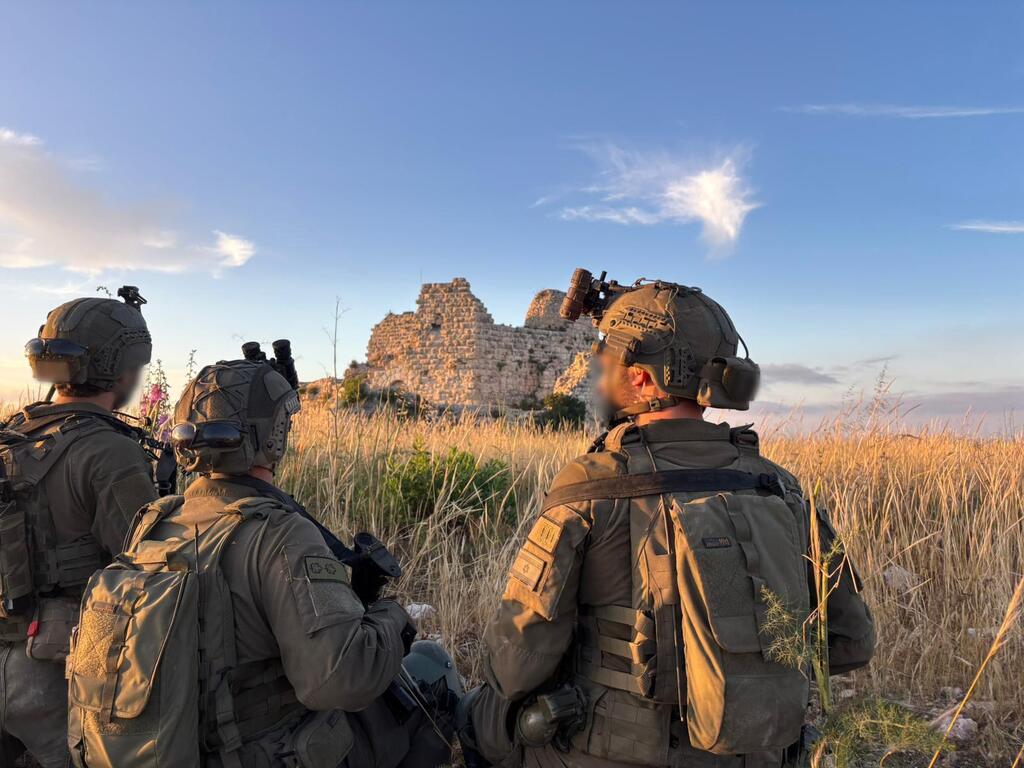
The discussions are taking place as part of a broader U.S.-mediated diplomatic track aimed at reducing tensions along the Israel-Lebanon border and establishing a longer-term security arrangement. Israel and Lebanon do not maintain diplomatic relations and remain formally in a state of conflict.
At the same time, additional reports from Arab media outlets describe Israeli demands in the negotiations that go beyond the pilot framework. According to the Lebanese newspaper Al-Akhbar, Israel is insisting on a series of core conditions that must be met before any withdrawal steps are implemented.
These include a requirement that Lebanese authorities assign the Lebanese army control over the Ali al-Taher area, remove Hezbollah operatives from it and demolish existing military infrastructure there, under direct U.S. supervision. Only after such steps, according to the report, would Israeli forces begin withdrawing from other locations in southern Lebanon in phases, including additional areas south of the Litani River.
Another reported condition links any future prisoner arrangements to the return of the remains of Israeli navigator Ron Arad, who has been missing since 1986 after being captured in Lebanon by Hezbollah-linked terrorists. Under this framework, Lebanese prisoners held in Israel would not be released before progress on the Arad case.
The reports also say Israel is seeking to establish a defined security zone along the border in southern Lebanon, restricting access for both civilians and military forces. The area would be treated as an immediate security threat zone, effectively serving as a buffer designed to prevent Hezbollah entrenchment near the border.
A fourth element described in the reports calls for direct coordination between the Israeli military and the Lebanese army on the ground, without intermediaries. This would include limitations on Lebanese military movement and prior coordination of operations in areas adjacent to Israeli positions.
The Al-Akhbar report also suggests that Israeli proposals envision a phased, step-by-step mechanism: local clearing of Hezbollah infrastructure, followed by limited Israeli withdrawals, and then expansion of the model to larger areas over time.
The Washington-mediated talks have also featured political signaling on both sides. Israeli officials have warned that the process risks collapsing if Hezbollah’s role in Lebanon is not addressed directly, arguing that the original premise of the talks was the reduction of Iranian influence and the dismantling of Hezbollah’s military infrastructure.
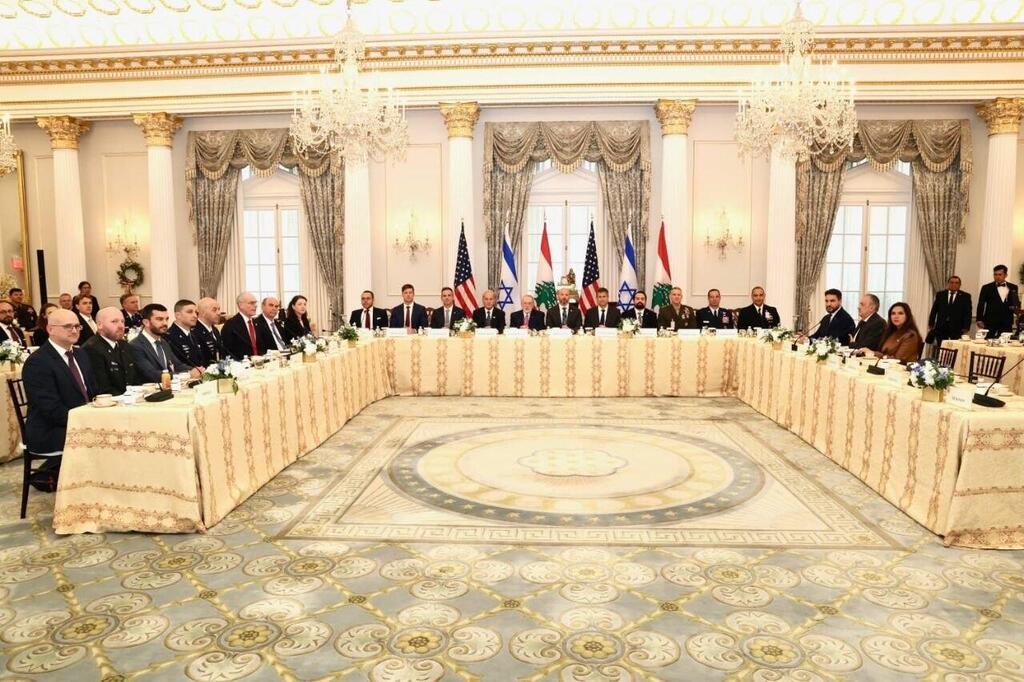
US-mediated talks between Israel and Lebanon
(Photo: Israel Embassy)
Israeli Ambassador to the United States Yechiel Leiter described the process as under strain, saying earlier rounds of talks were based on a clear direction toward a long-term arrangement involving Israeli security guarantees and Hezbollah’s removal from the border equation.
Lebanon and Israel remain formally at war, and Hezbollah continues to operate as a powerful armed organization in southern Lebanon, which Israel says constitutes a direct threat to its northern communities.
In parallel, Arab media outlets report that Qatar may become involved in a future mediation track connected to Lebanon. According to these reports, Doha could facilitate indirect negotiations between Israel and Hezbollah, either alongside or in coordination with U.S.-led efforts, as part of a broader attempt to stabilize a ceasefire framework.
Another Lebanese report claims discussions have also included potential exchanges involving prisoners and the remains of missing individuals, though Israeli officials have not confirmed those details and have questioned their reliability.
The fate of Ron Arad remains one of Israel’s most sensitive unresolved military cases. Arad, an Israeli Air Force navigator, was captured after his plane was shot down over Lebanon in 1986 and is believed to have been held by Hezbollah-linked operatives before disappearing.
The current diplomatic track reflects a broader effort by Washington to reduce friction along Israel’s northern border while exploring a structured, phased security arrangement involving the Lebanese army, Israeli forces and international oversight.