

The United States and Venezuela have reached a sweeping oil agreement covering fields with an estimated 65 billion barrels of crude, President Donald Trump announced Friday, in what he described as “the biggest oil deal in world history.”
Venezuela later confirmed the agreement, saying it would involve the development of 17 strategic oil fields with proven potential of 65 billion barrels, more than $100 billion in investment and an estimated $209 billion in tax revenue for the Venezuelan state.
Gallery
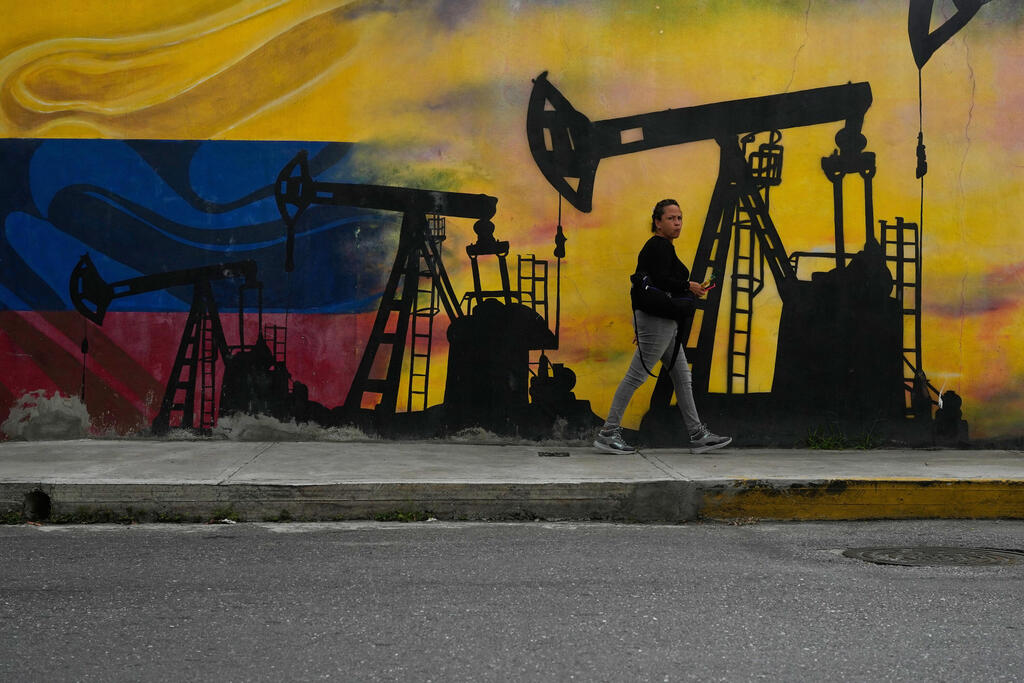
Mural inspired by Venezuela’s oil industry in the capital, Caracas
(Photo: Matias Delacroix/AP)
Trump said the deal was negotiated by Secretary of State Marco Rubio, Defense Secretary Pete Hegseth and Venezuela’s interim President Delcy Rodriguez.
“The United States of America has just entered into an Agreement with the Country of Venezuela on, THE BIGGEST OIL DEAL IN WORLD HISTORY!” Trump wrote on social media.
Rodriguez described the agreement as “historic” and thanked Trump, saying it would have a major impact on Venezuela’s economic recovery.
The deal comes nearly nine months after U.S. forces captured Venezuelan President Nicolas Maduro and brought him to the United States to face federal narcoterrorism and drug trafficking charges.
It also comes as Trump faces growing domestic pressure over high fuel prices. The U.S.-Israel war against Iran reached the six-month mark Friday, with the conflict sharply reducing oil traffic through the Strait of Hormuz, one of the world’s most important energy routes.
Before the war, roughly 20% of global petroleum shipments passed through the strait. The disruption has helped push the average U.S. gasoline price to about $4.09 a gallon, compared with $3.21 at the same time last year.
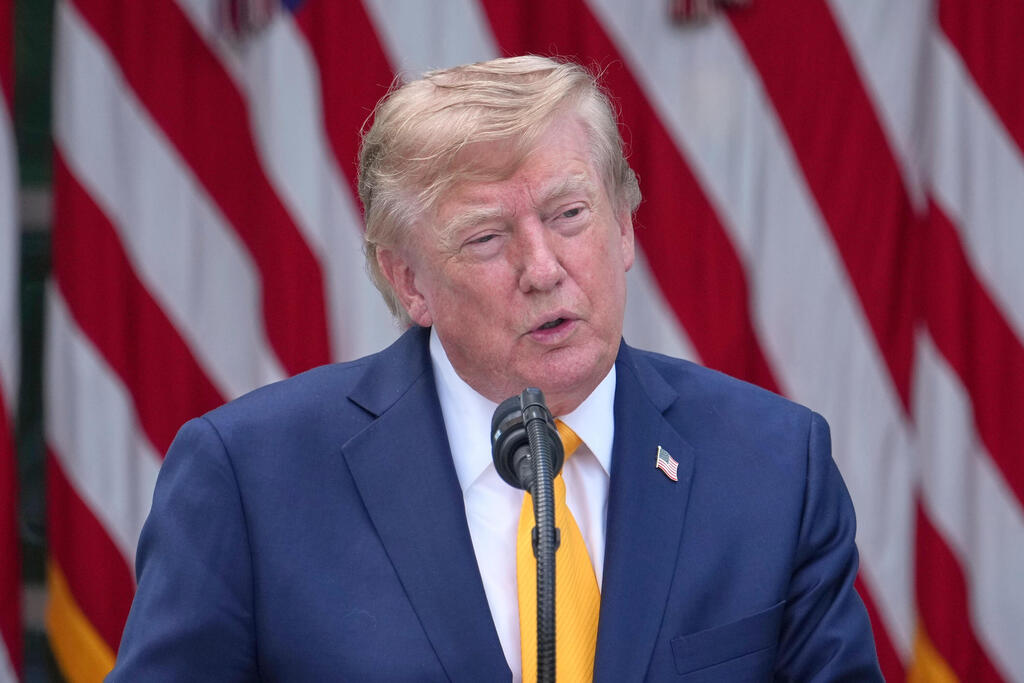
US President Donald Trump
(Photo: AP Photo/Alex Brandon)
Washington has also drawn heavily on the Strategic Petroleum Reserve. By early August, reserves had fallen below 300 million barrels, down by more than 100 million barrels since the beginning of 2026.
Rubio said the Venezuela agreement would bring $100 billion in private investment and help lower fuel prices in the United States.
“This deal is a huge win for both the American and Venezuelan people,” he wrote on X.
Details of how the agreement will operate remain limited. Trump indicated that private companies would be involved, but the White House did not immediately identify the companies expected to participate or explain the structure of the arrangement.
That could prove significant because Venezuela’s oil sector has suffered years of underinvestment, mismanagement and deteriorating infrastructure.
The country holds the world’s largest proven crude oil reserves, estimated at about 303 billion barrels, or roughly 17% of the global total, according to the U.S. Energy Information Administration. Yet Venezuela currently produces only about 1% of the world’s oil.
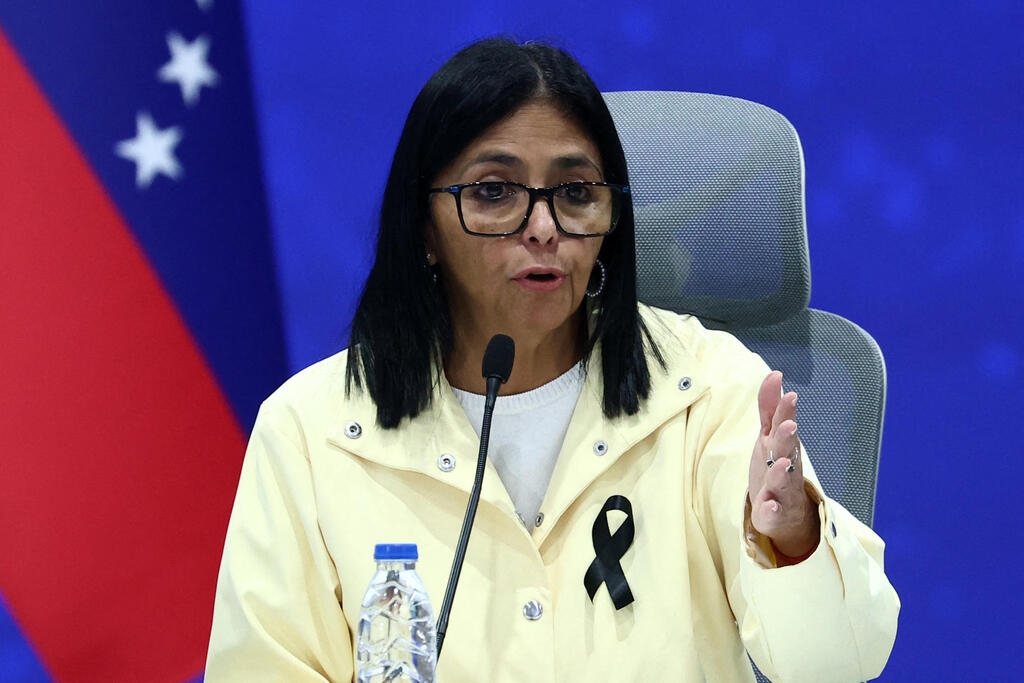
Venezuela’s interim President Delcy Rodriguez
(Photo: Lucas AGUAYO / AFP)
Major U.S. energy companies have also been cautious about returning after previous Venezuelan governments nationalized foreign-owned assets, including holdings belonging to American firms.
Days after Maduro was removed from power, Trump met oil executives at the White House and urged them to return to Venezuela. ExxonMobil CEO Darren Woods said at the time that he considered the country “un-investable.”
Trump, however, has argued that his administration has restored greater stability and opened the door to renewed investment.
Rodriguez has also moved to reshape Venezuela’s oil industry since taking power. One of her first major steps was signing legislation that opened the sector further to private investment, reversing a central policy of the socialist governments that had dominated the country for more than two decades.
The new agreement covers roughly one-fifth of Venezuela’s proven oil reserves and could become one of the most consequential energy deals of Trump’s second term if the promised investment materializes.