

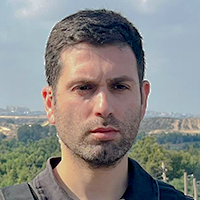
The IDF spent a year and a half combing through Hamas’ vast Rafah Brigade tunnel network in southern Gaza, but in the end, it was Hamas terrorists themselves who retrieved the body of fallen Israeli officer Lt. Hadar Goldin and facilitated its return to Israel.
The handover occurred last month in Rafah’s Shaboura neighborhood. Under the ceasefire agreement that ended the war, a small Hamas team received IDF permission to cross the so-called “yellow line” inside the Gaza Strip and enter territory under Israeli control.
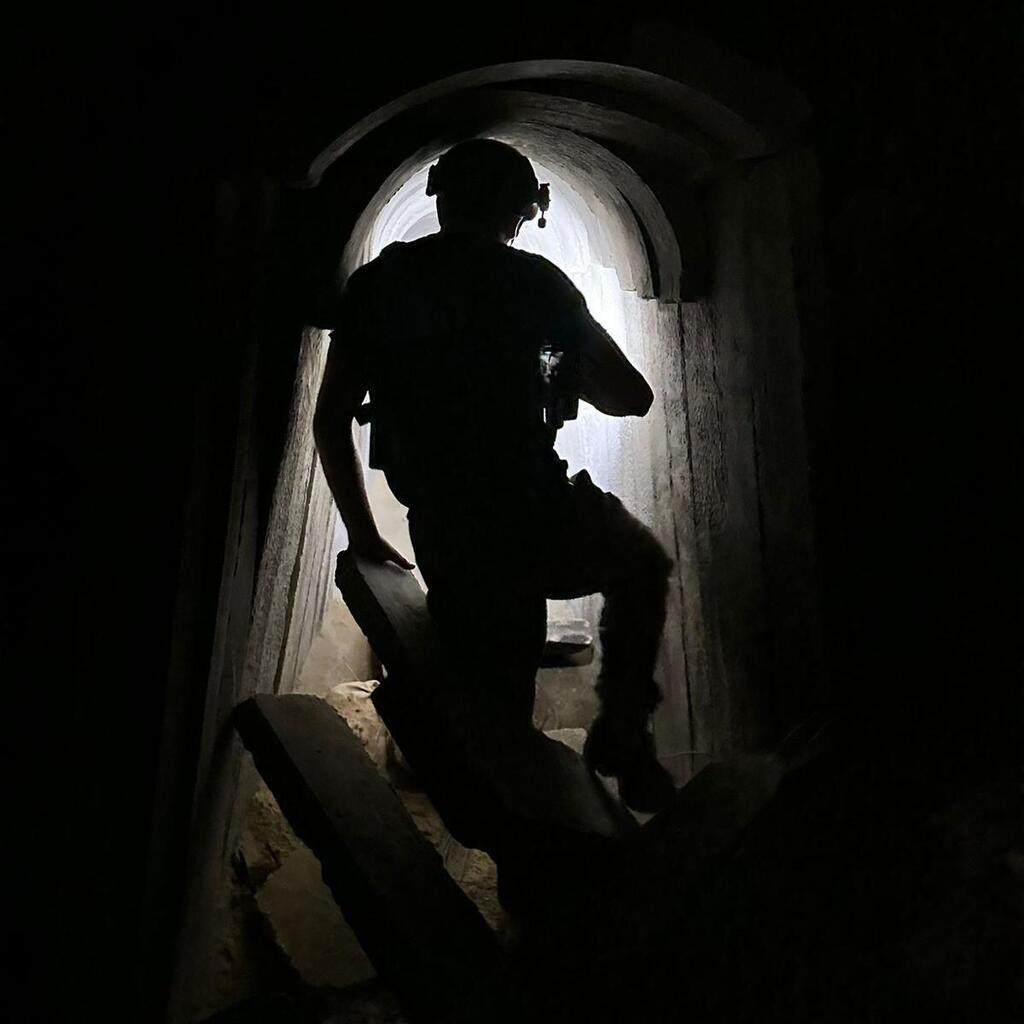
The operatives descended into the tunnel system and reached the exact chamber where Goldin’s body had been held — a location Israeli forces had been unable to identify despite months of searching.
Goldin was killed in a clash with Hamas terrorists near Rafah on the morning of Aug. 1, 2014, minutes before a ceasefire in Operation Protective Edge was scheduled to take effect. His body was hidden for 11 years in a concealed cavity — one of hundreds — built into the Hamas command tunnel beneath Gaza’s southernmost city.
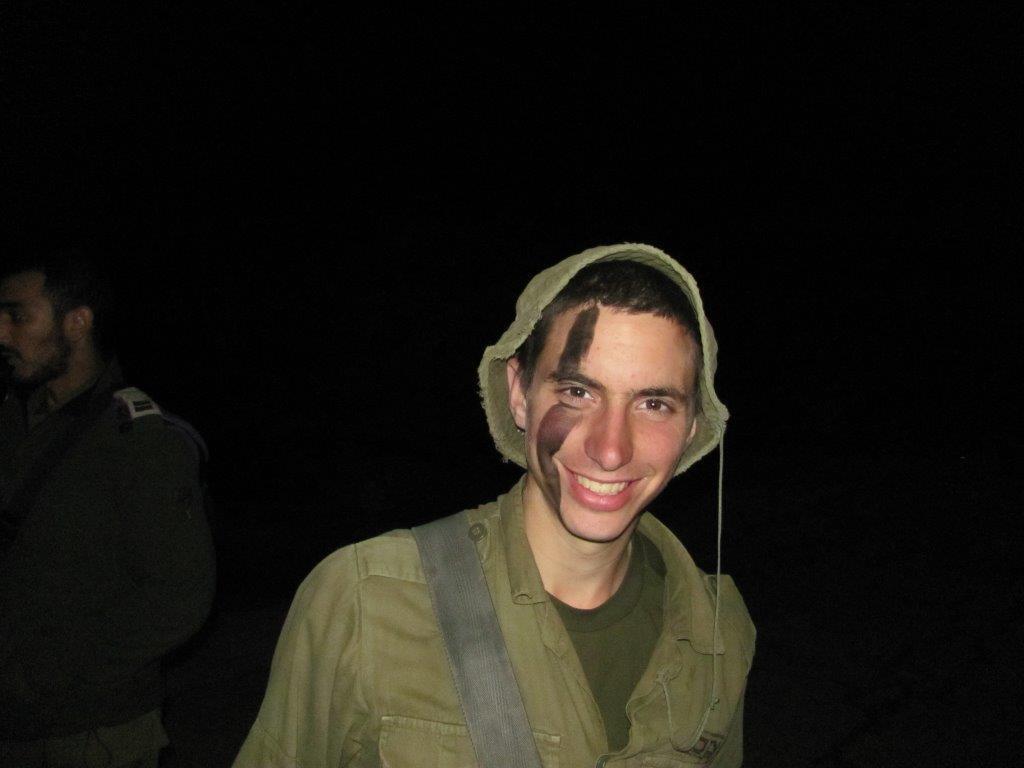
Lt. Hadar Goldin
(Photo: Courtesy of the family)
(Photo: IDF)
Israel’s efforts to locate Goldin on the ground began in May 2024, seven months into the war, when IDF troops entered Rafah. The search mission, code-named Operation White Sparrow, continued without pause until Hamas was ultimately instructed to retrieve the body itself.
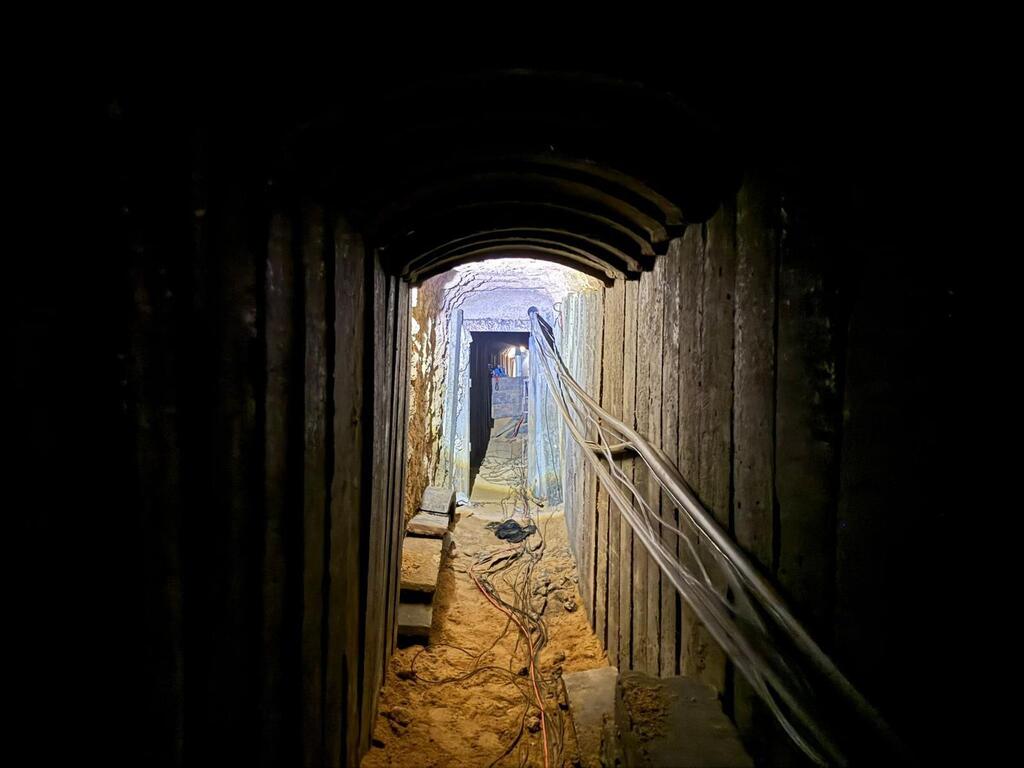
For months, often under fire and alongside active combat, elite Yahalom combat engineering units employed every resource and tunnel warfare method developed since the start of the war. They were joined by Shayetet 13 naval commandos, as well as 162nd Division and Gaza Division units, and advanced detection technology provided by the Shin Bet security agency. When those tools failed to produce results, soldiers sometimes dug manually in an effort to locate the hidden chamber.
(Photo: IDF)
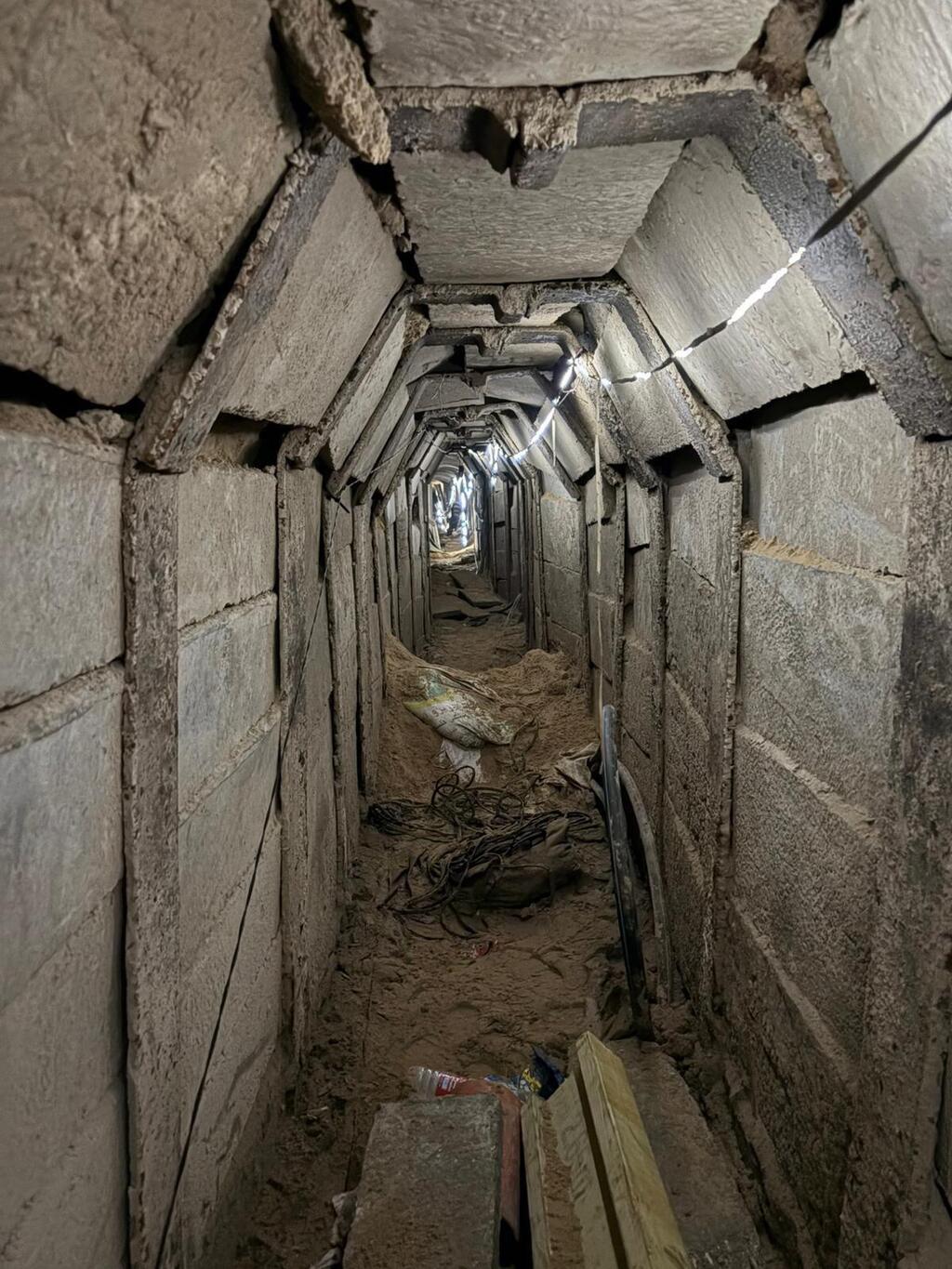
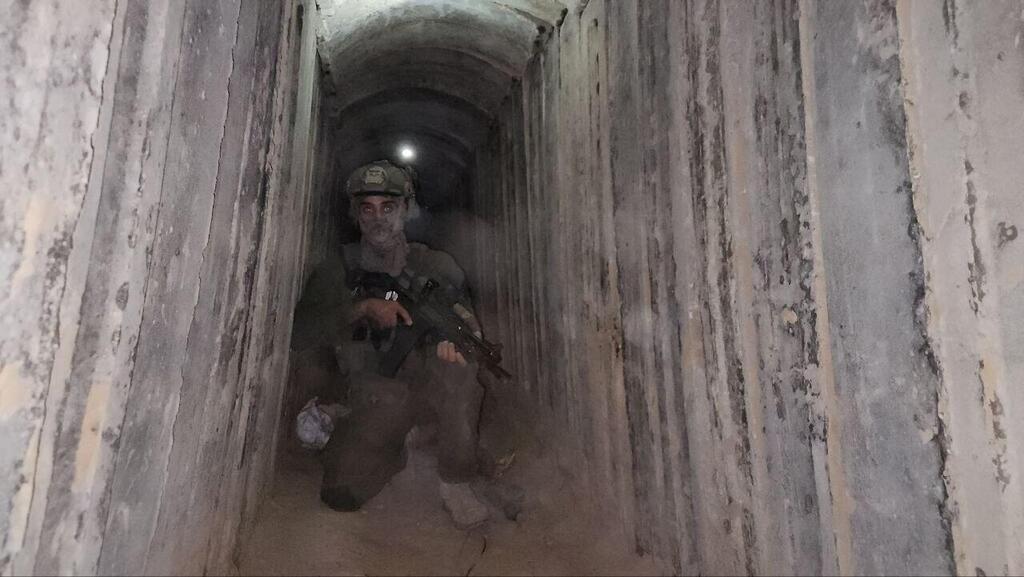
The operation revealed an extensive tunnel system roughly 10 kilometers (6 miles) long, with countless branches, communications and command rooms and numerous concealed doors. The network included two major strategic extensions underground: one running north toward “the Kingdom,” a parallel compound used by Hamas leader Yahya Sinwar in Khan Younis, and another heading south beneath the border into Egypt’s Sinai Peninsula.
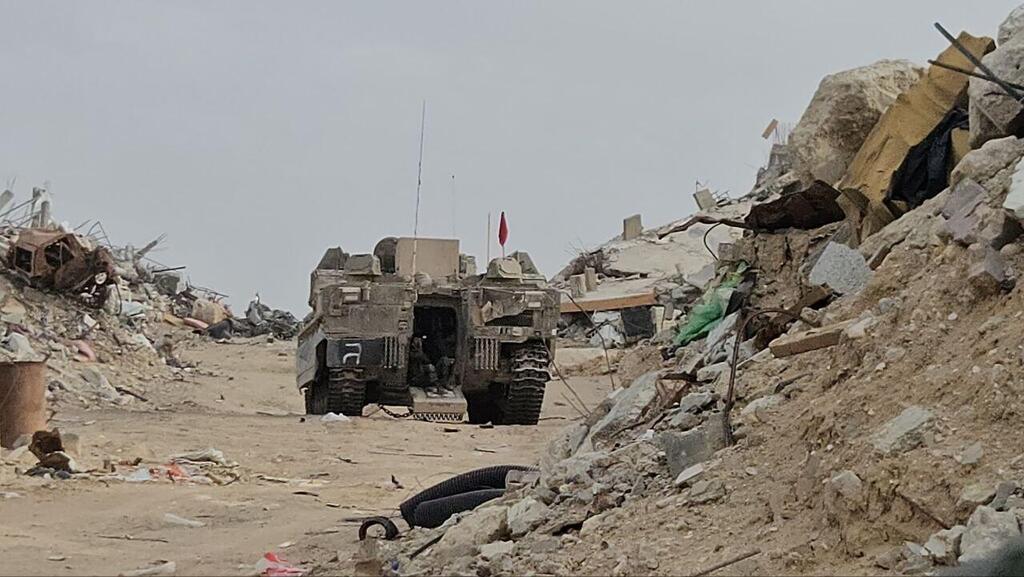
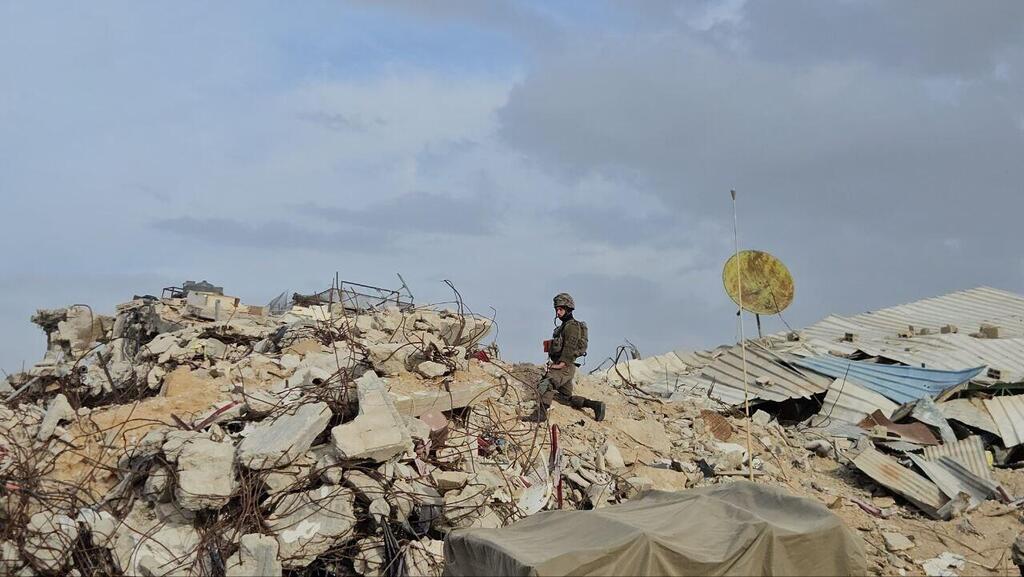
“Looking back, we realized we were literally a meter or two from the exact spot where Hadar was held, but unlike in similar cases, we had no precise intelligence or a captured terrorist who could point us to the location,” officers told reporters on Monday during a rare tour of the tunnel and the pulverized ruins of Rafah’s neighborhoods. For the first time since the beginning of ground operations there, the area was quiet — no gunfire, no explosions.
(Photo: Yoav Zitun)
“We assume Hamas saw how close we were getting and didn’t want its prestige damaged,” the officers said. “They preferred to be the ones to retrieve him. Very few in Hamas knew exactly where Hadar was kept. He became a symbol within Hamas. Rafah Brigade commander Muhammad Shabana (who used the tunnel extensively during the war and was killed along with Hamas military chief Mohammed Sinwar beneath a Khan Younis hospital) had a personal obsession with guarding Hadar.”
According to intelligence received by Israel, that obsession included periodically bringing a Palestinian doctor to examine Goldin’s body to ensure it remained preserved underground.
IDF forces in Rafah
(Photo: Yoav Zitun)
IDF forces in Rafah
(Photo: Yoav Zitun)
After Goldin’s remains were returned to Israel, the IDF demolished key sections of the tunnel route. “For us, this was a national mission,” army officials said. “Even without precise information on where his body had been moved over the years, we assess that he was kept in the same location the entire time.”
Unlike other tunnels Israel handled during the war — where terrorists were often killed or flushed out with various IDF methods — the “White Sparrow” tunnel saw significant underground combat.
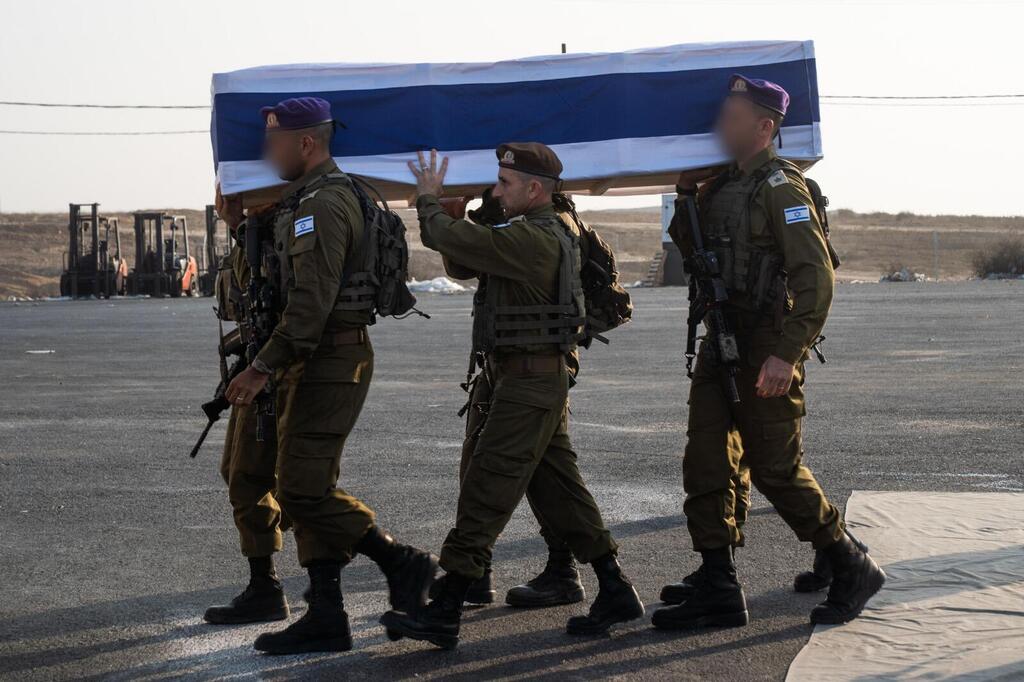
A coffin containing the remains of Lt. Hadar Goldin handed over to IDF forces, last month
(Photo: IDF)
Hamas operatives ambushed elite Israeli units below ground or tried to draw them into what commanders described as “attrition engagements,” in which a lone gunman fires from concealment or detonates explosives. In those clashes beneath Rafah, Israeli forces killed the terrorists without sustaining casualties.
“This is the most complex tunnel I’ve ever seen,” said a Yahalom officer who has inspected numerous underground networks in Gaza over the past two years. “There were countless hidden openings, and its total size was like several soccer stadiums.”
Another commander summed up the feeling in the ranks: “It’s true that we weren’t the ones who ultimately brought Hadar home. It’s frustrating, but in missions like this the distance between success and failure is sometimes a hairbreadth.”