


The name of the Sunni Afar tribe, spread across the Horn of Africa—in Ethiopia, Eritrea and Djibouti—made headlines in February of last year after Yemen’s internationally recognized government released testimony from an Eritrean citizen, Ali Ahmed Yaidi, a member of the tribe. In his statement, Yaidi exposed how the Houthis recruit people from the Horn of Africa into their ranks and have established terrorist cells in the region overlooking the Red Sea. He also described promises by Iran to "support the tribe." However, many within the Afar community recognize the dangers of Iranian involvement and the expansion of the Shiite axis in the region—and continue to seek solutions, including outreach to Israel.
From December 28-30, 2025, an Afar tribal conference was held in Ethiopia, bringing together Eritrean Afar to “unite the struggle against the ruling regime.” Participants included political figures, youth and women’s representatives, religious leaders, delegations of Afar from Djibouti and Ethiopia, Eritrean activists, journalists and human rights advocates. The conference aimed to raise awareness about the tribe’s ongoing struggle against Eritrea’s ruling party, the People's Front for Democracy and Justice.
Afar tribe seeks Israeli support amid Iranian expansion and Eritrean repression
(Video: Lior Sharon)


The Afar in Eritrea claim they are subjected to severe and systematic abuse by the regime, including killings, arbitrary arrests, forced displacement, looting of natural resources and even a ban on fishing. A report on the conference highlighted the importance of building connections between Afar communities in Eritrea and those in neighboring countries.
The expectation is that Afar in Ethiopia and Djibouti will offer refuge to those fleeing oppression and work to create a supportive environment for strengthening the tribe’s influence.
Gallery
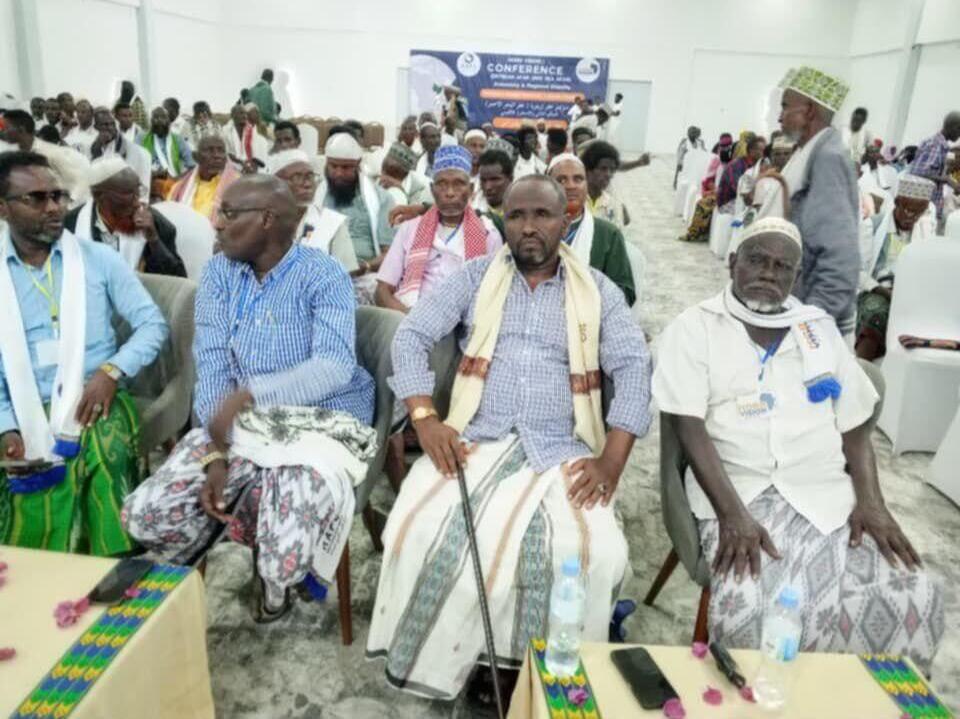
Afar tribal conference held last month in Ethiopia, bringing together Eritrean Afar to 'unite the struggle against the ruling regime'
Strategically, the Afar tribe inhabits a region of growing geopolitical significance—an area that has also drawn Israel’s attention in the past two years. Eritrea and Djibouti sit along the Red Sea, directly across from Yemen and Houthi-controlled territories, and near the Bab el-Mandeb Strait. During the recent war in Gaza, the Houthis blocked passage through the strait for Israeli ships, vessels en route to Israel, or those owned by companies working with Israel. The Houthis have extended their influence into the Horn of Africa—and tensions are also rising between Eritrea and landlocked Ethiopia, which seeks access to the Red Sea.
An Afar source told ynet that the crisis facing the Afar in Eritrea is not only a humanitarian issue, but a strategic one.
“Iran is a shared enemy, and the geographic area of Dankalia—where the Afar live in Eritrea—along with its instability and repression, are directly linked to regional and international security concerns,” he said. “In this context, Israel stands out as a country that can play a constructive role. As a democratic state with extensive experience in Red Sea security and a deep understanding of Middle Eastern and Horn of Africa geopolitics, Israel has both a strategic interest and the institutional capacity to get involved. Red Sea security is already recognized as a core Israeli concern. The instability here, especially with the growing involvement of Iranian-linked actors, makes the region increasingly relevant to Israel’s national security calculations.”
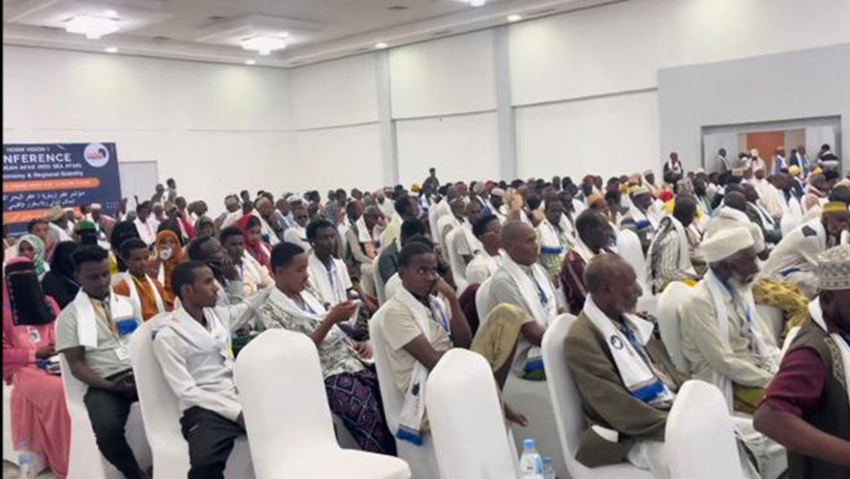
Afar tribal conference
He added that, beyond diplomacy, "Israel also possesses the political, security and international influence necessary to help shape new realities on the ground. Israel has the capability, if it chooses, to contribute to the emergence of a de facto protected political entity in Dankalia—one that could restrict the Eritrean regime’s control, limit infiltration by external operatives and provide a framework of security and governance for the Afar population, even without formal state recognition. Israel can connect the protection of the Afar in Eritrea with Red Sea security.”
He argued that reframing the Dankalia crisis as a matter of shared Red Sea security—rather than solely an internal Eritrean issue—could open the door for more assertive international engagement, with Israel playing a particularly influential role.
In the conversation, he clarified that the idea had existed long before Israel’s recognition of Somaliland on December 26—but that recognition has strengthened the belief among other marginalized groups that Israel could help them too.