



As Israel wages its war against Iran, one of the most sensitive arenas affected is the Palestinian front, particularly in the West Bank, where tensions are high and the situation remains fragile.
Just minutes after Israel launched its first strikes on Iran, senior security officials held talks with Palestinian Authority (PA) leadership, including Chairman Mahmoud Abbas, informing them that a major operation was underway.
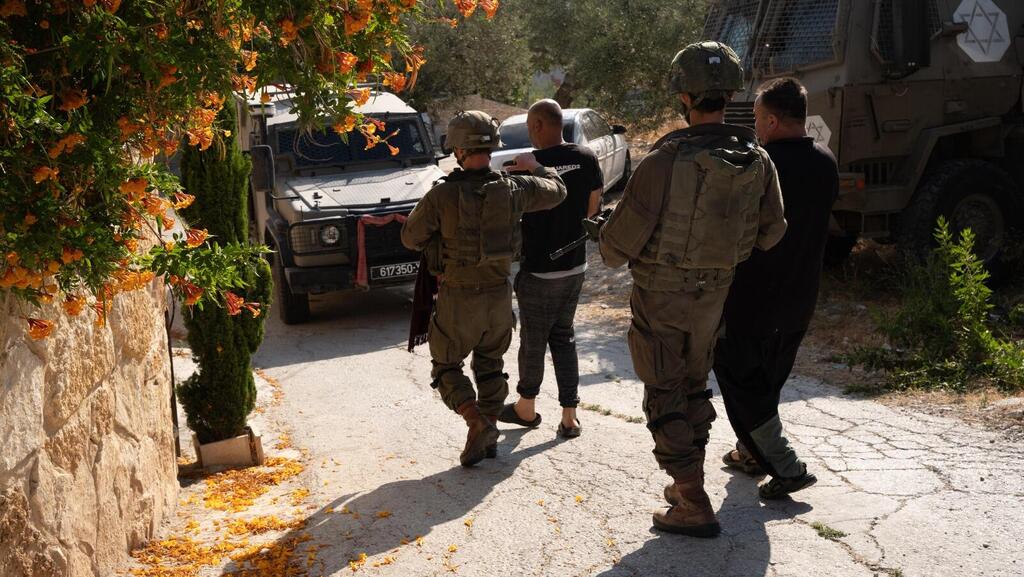
The IDF General Staff instructed that all other arenas—especially the West Bank—must remain secondary, with the understanding that any large-scale unrest or wave of terror in the West Bank could directly disrupt Israel’s strategic focus on the Iranian front.
The military quickly set up checkpoints across the region. For Palestinians, the first 48 hours were particularly harsh, with closures imposed on cities and severe movement restrictions. As reinforcements arrived, the IDF’s Central Command eased some of the closures and removed many checkpoints. Intelligence warnings initially spiked but began to subside after the first two days.
Abbas has remained largely silent. Behind closed doors, however, senior PA officials have expressed unease with Iran’s influence and view Tehran’s role as destabilizing. They’ve resisted efforts by Iran to exploit Hamas operatives in the West Bank to ignite unrest during the war.
For months, Iran has tried to smuggle weapons and money—sometimes using cryptocurrency or barter trades via exchange offices—across the eastern border into the West Bank.
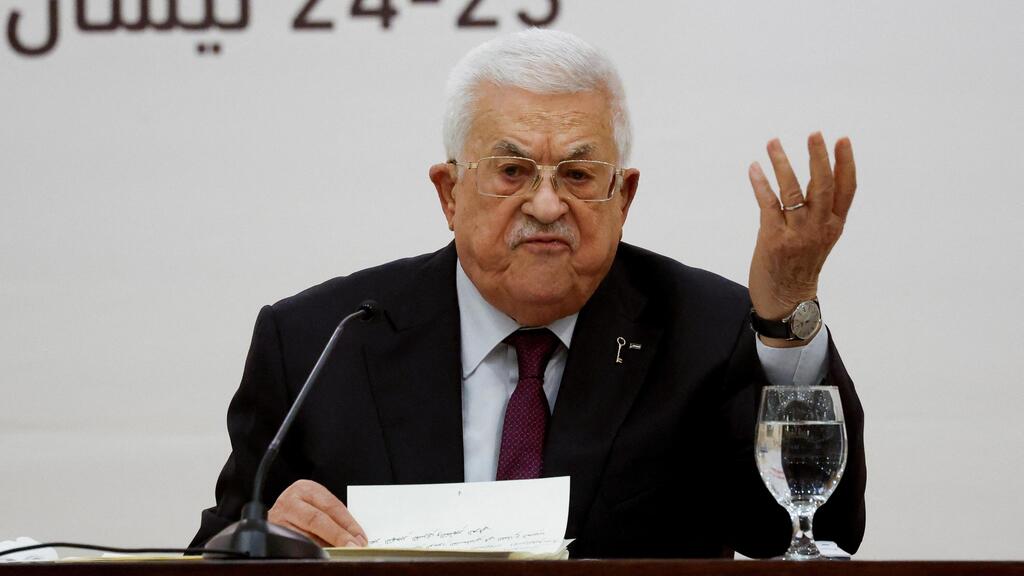
Palestinian Authority Chairman Mahmoud Abbas
(Photo: Mohamad Torokman/Reuters)
Despite PA leadership’s official silence, there have been isolated signs of celebration among Palestinian youth during Iranian missile attacks on Israel. In Ramallah, for example, groups of young men have reportedly gathered on rooftops and balconies to watch the missiles fly toward Tel Aviv, some smoking hookahs while observing what they view as a “show,” according to a senior Israeli security source.
In response, officers in the IDF’s Civil Administration, which coordinates security with Palestinian counterparts, instructed PA forces to prevent public displays of support for Iranian attacks.
Officials are concerned that such sentiments, if left unchecked, could incite broader unrest. Still, data shows that West Bank terror activity has remained low relative to previous years—particularly given the wartime context.
Get the Ynetnews app on your smartphone: Google Play: https://bit.ly/4eJ37pE | Apple App Store: https://bit.ly/3ZL7iNv
According to security officials, the PA leadership is actively working to suppress signs of support for Iran and to block Tehran’s influence. While enforcement is not always effective, the PA’s cyber unit monitors social media for posts expressing support for Iran or celebrations of Israeli casualties.
The Shin Bet and IDF Central Command continue to carry out arrests in key cities to disrupt local terror cells. PA security forces are also arresting militants suspected of working with Iranian proxies. “They understand that Iran’s attempts to build terror cells here would destabilize everything,” one Israeli security official said.
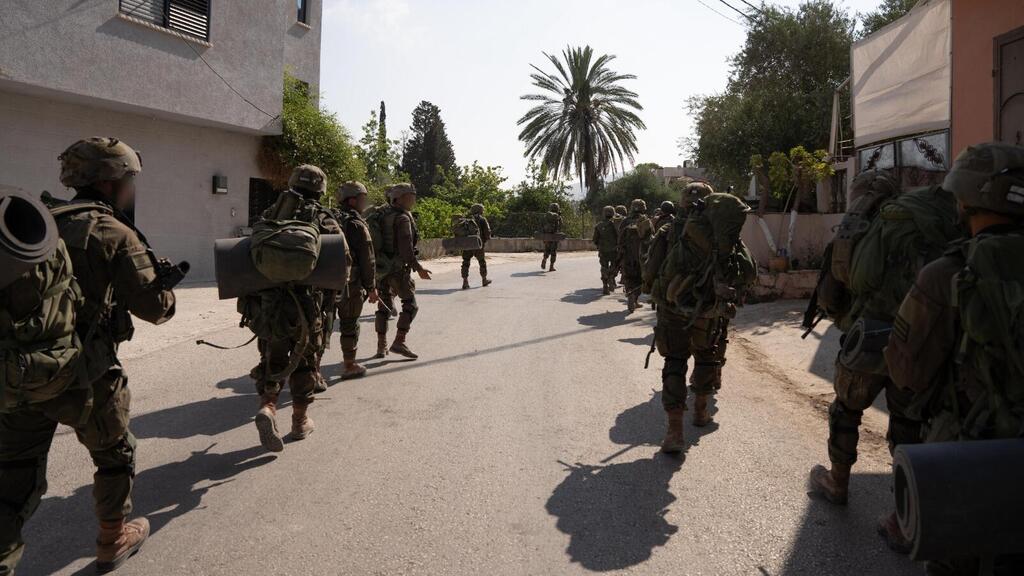
(Photo: IDF Spokesperson's Unit)
“They don’t want an Islamic Revolutionary Guard Corps proxy operating in the West Bank. They’ve already suffered from the influx of Iranian money into Jenin and Balata, which pushed people toward terrorism and weakened the PA itself. This is the Shia axis trying to gain a foothold here.”
Israeli and Palestinian officials are also preparing for the possibility of mass-casualty incidents in Palestinian cities caused by Iranian rocket fire. The PA is severely under-equipped to deal with such emergencies: it has only around 1,200 rescue workers and 75 fire trucks and rescue vehicles across the West Bank, most of them outdated.
Few are capable of carrying modern hydraulic rescue tools. “If several missiles hit a Palestinian city, it will initially look like chaos,” a security source warned. Israeli and Palestinian teams are now jointly drafting a detailed emergency protocol for managing such scenarios.
The Palestinian issue remains at a critical juncture as seismic events reshape the Middle East. Veteran security officials say Abbas, nearing the end of his rule, may seek a role in shaping the region’s postwar reality.
While most Israeli political and security leaders oppose the idea of a Palestinian state, new ideas are beginning to surface about what a post–October 7 arrangement might look like—different from the past but yet to be defined.