

Israel’s relations with China took a sharp turn this week after Prime Minister Benjamin Netanyahu accused Beijing of joining Qatar in leading a media and legitimacy campaign against Israel, allegedly fueled by artificial intelligence and massive funding.
Speaking Monday before a delegation of 250 American lawmakers, Netanyahu said: “Just as Iran once imposed a siege on us hoping it would wipe us out, which we broke through, today there’s an attempt to impose a new siege on Israel—led by Qatar, and also by countries like China. This is a media siege, funded with enormous money.”
Prime Minister Benjamin Netanyahu on China
(Video: Lior Sharon)


Gallery
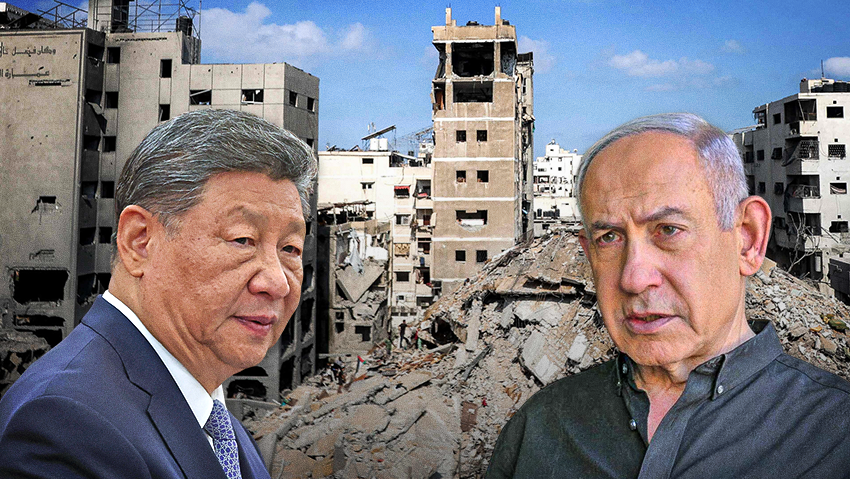
Chinese President Xi Jingping, Prime Minister Benjamin Netanyahu
(Photo: Omar AL-QATTAA / AFP, Lintao Zhang / POOL / AFP, Kobi Gideon, GPO)
Netanyahu repeated the accusations at a government conference in Jerusalem, warning Israel was entering diplomatic and economic isolation and would need to become a “super-Sparta.”
After two days of silence, China’s embassy in Israel issued a rare and sharply worded statement. “China is shocked by the Israeli leader’s remarks. The claim is baseless, harms China-Israel relations, and we strongly oppose it,” the statement read.
“Blaming Beijing after criticizing certain social media platforms is like a patient turning desperately to every doctor, aiming at the wrong source and taking the wrong prescription.” The statement also linked to the war in Gaza, urging Israel to halt its military campaign. “What Israel needs is not endless bombings, but political wisdom and creative diplomacy,” Beijing said.
“The international community calls for an immediate ceasefire to secure the safe return of Israeli hostages and prevent a greater humanitarian disaster. Only shared security, not security at others’ expense, can bring lasting peace.”
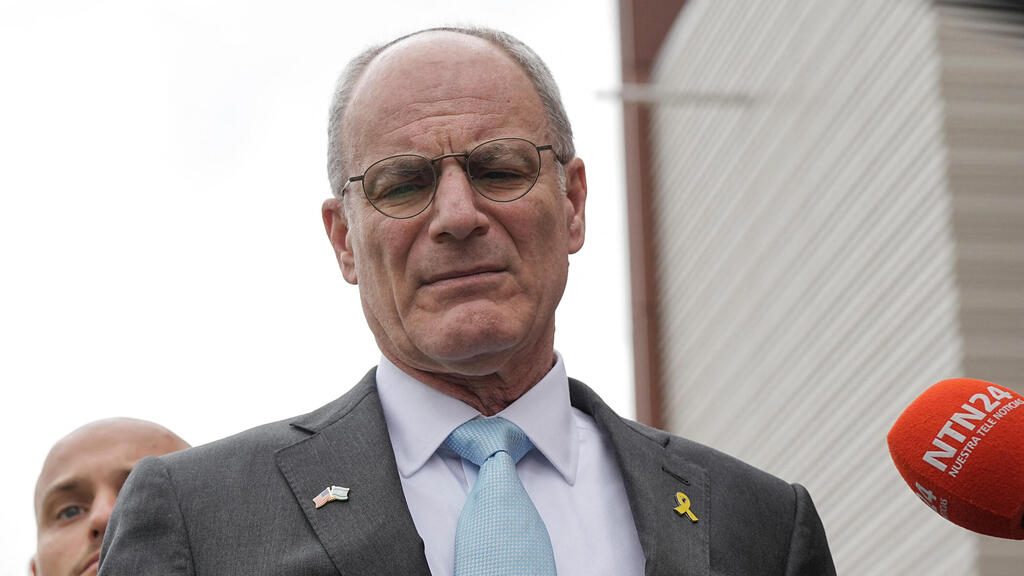
Dr. Yechiel Leiter
(Photo: REUTERS/Ken Cedeno)
Behind Netanyahu’s remarks lies Israel’s deepening concern that Beijing is helping Iran rebuild its battered ballistic missile program following the recent fighting round in June. Reports suggest China has supplied Tehran with air defense systems.
Israel’s ambassador to the U.S., Dr. Yechiel Leiter, recently warned of “troubling signs” of Chinese support for Iran. “We want good relations with the Chinese people,” he said, “but we cannot accept Beijing working hand-in-hand with a regime that openly threatens our destruction.”
Experts in Israel were surprised by Netanyahu’s public move. Harel Menashri, a cybersecurity pioneer and China analyst, noted that China has long opposed Israel in international forums and has recently sharpened its rhetoric.
“The Chinese were never our friends, and since the October 7 war their tone has become much harsher,” he said. Menashri pointed to Chinese school textbooks describing Israel as committing “massacres” in Gaza, as well as Beijing’s consistent alignment with Palestinian positions.
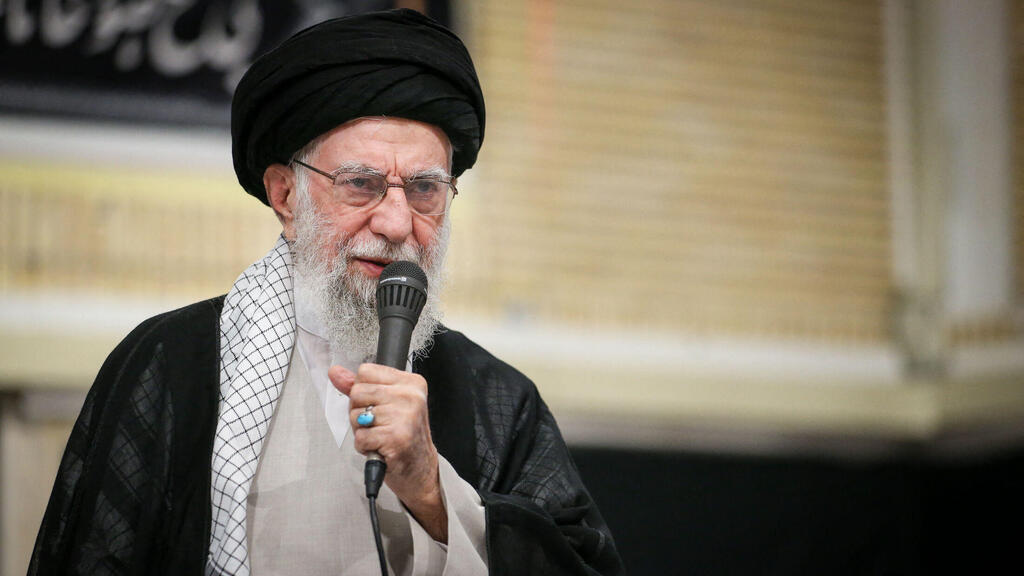
Iran's Supreme Leader Ali Khamenei
(Photo: KHAMENEI.IR / AFP)
He also criticized Netanyahu’s past outreach to China, such as allowing the construction of a Chinese-operated port in Haifa despite repeated warnings from Israeli security official and U.S. President Donald Trump’s administration. “It’s surprising Netanyahu suddenly changes tone now,” Menashri said.
Yuval Weinrib, another expert on China, suggested Netanyahu’s comments may be intended to signal alignment with Washington. “If this is meant to show the U.S. we’re on its side, I can understand the calculation, though I don’t agree with the method,” he said. “But for Beijing, it’s dramatic when a head of government makes such accusations. They won’t forget it, and they’ll expect an apology.”
Weinrib added that Chinese officials have recently sought to improve relations with Israel, and while Beijing is unlikely to recall its ambassador, it could take subtle retaliatory steps, such as restricting Israeli exports under the guise of security concerns.
The diplomatic flare-up marks a new low point in Israel-China relations, with Beijing presenting itself as a champion of Palestinian rights while Jerusalem aligns ever more closely with Washington against Chinese influence in the region.