

Prime Minister Benjamin Netanyahu warned Monday that Israel may soon be forced to adopt what he described as an economy with “autarkic features” resembling a “super-Sparta,” as mounting international pressure and restrictions threaten the country’s access to global trade and weapons imports.
Speaking at the Accountant General’s Conference in Jerusalem, Netanyahu said Israel faces a “new and challenging diplomatic reality” driven in part by demographic and technological shifts abroad.
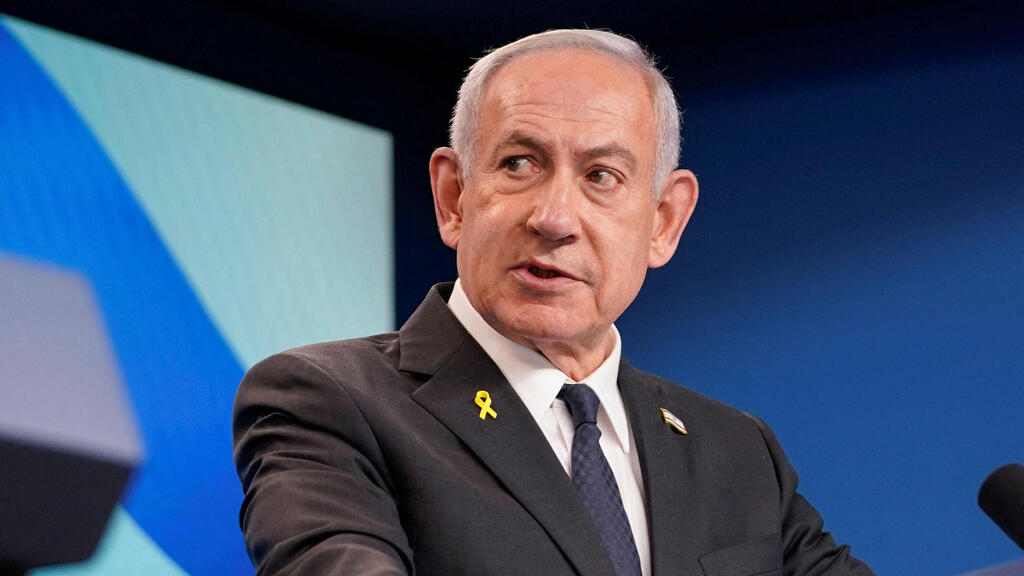
He argued that Muslim migration to Europe has created a “significant and vocal minority” that bends European governments on issues related to Gaza. “They deny Zionism,” Netanyahu said, adding that this influence was fueling sanctions and restrictions against Israel and limiting its ability to import key weapons components.
In unusually blunt remarks, Netanyahu said these trends are pushing Israel toward partial economic self-reliance. “We will increasingly have to adapt to an economy with autarkic features,” he said. “It’s a word I dislike — I believe in free markets, I worked to bring Israel a free-market revolution. But we may find ourselves in a situation where our defense industries are blocked. We will have to develop indigenous defense industries. We will have to become Athens and super-Sparta. We have no choice. At least in the coming years, we will have to deal with these attempts at isolation. What worked until now will not work from now on.”
Netanyahu also blamed the digital revolution for accelerating Israel’s isolation. “Our rivals exploit it. China and Qatar are investing massive sums in artificial intelligence, and they have more power than legacy media. And legacy media joins the international minorities. This pushes us into isolation. We will have to fight it,” he said.
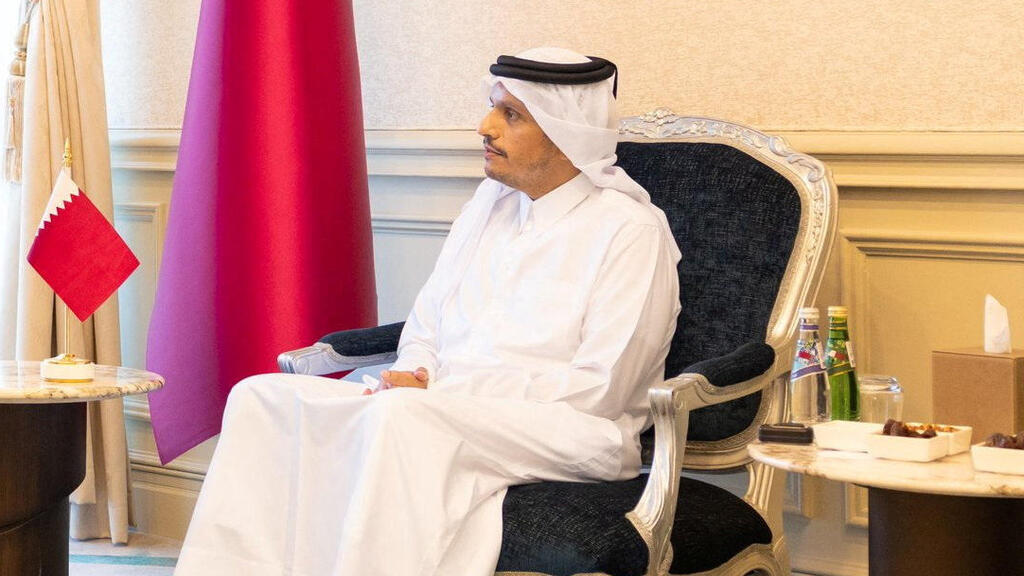
Qatari Prime Minister Mohammed Al Thani
(Photo: Qatar News Agency/Handout via REUTERS)
Though he has typically spoken in vague terms about Qatar since the eruption of the so-called “Qatargate affair”—in which some of his close associates are accused of accepting payments from the Qatari government to promote Doha’s interests—Netanyahu was more explicit Monday, saying that “enemy states, including Qatar, have invested vast sums to influence global discourse through social networks. This pushes us into a kind of isolation.”
Earlier Monday, eighty of Israel’s most senior economists warned that a full-scale invasion and military occupation of Gaza would cause unprecedented economic harm to the country, deepening an already severe crisis caused by the ongoing war.
In a letter obtained by Ynet, the economists said the government’s plan to capture Gaza City and displace about one million people in a months-long military operation would lead to an exodus of young professionals, long-term damage to Israel’s international standing and devastating effects on its economy and society.