


Gadi Eisenkot, chairman of Israel's Yashar! party, is preparing to take control of key Knesset committees and leadership positions even before beginning negotiations to form a government. Ynet has learned that one of his first expected moves will be to establish a special parliamentary committee tasked with advancing legislation to create a state commission of inquiry into the October 7, 2023, massacre. The goal is to establish the commission through legislation passed by the Knesset, rather than through a government resolution.
At the same time, leaders of the anti-Netanyahu bloc have agreed to establish six to eight special parliamentary committees to advance legislative changes. These would focus on repealing laws passed as part of the outgoing government's controversial judicial overhaul while also promoting urgent legislation that Netanyahu's opponents can pass using their parliamentary majority. "We need to exercise the parliamentary majority we have in the Knesset and get to work," Eisenkot said.
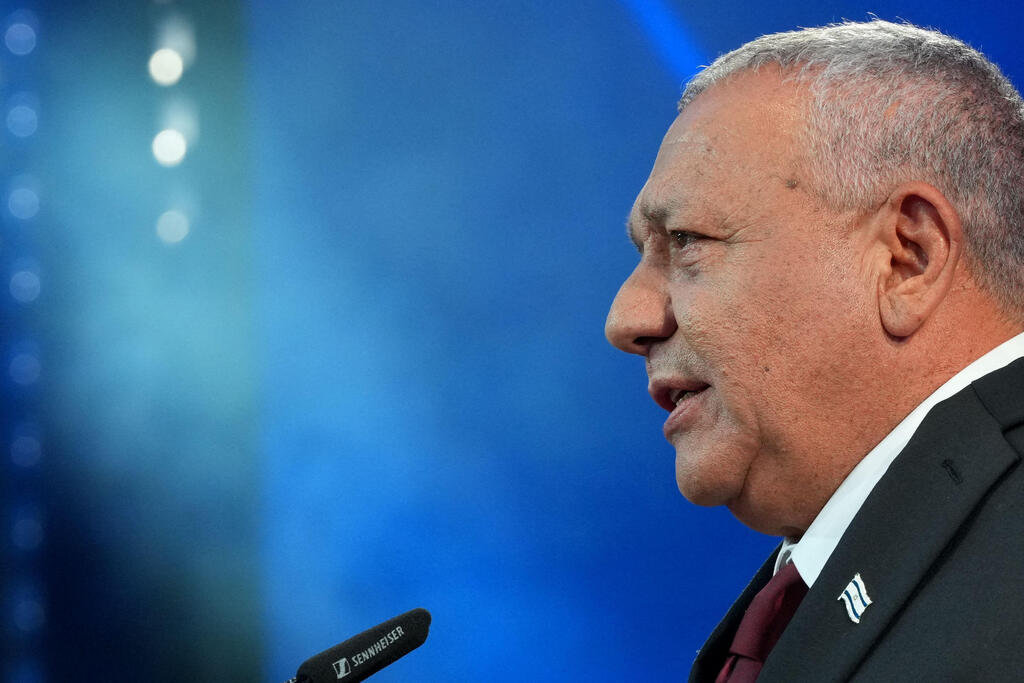
Gadi Eisenkot: ‘We need to exercise the parliamentary majority we have in the Knesset’
(Photo: MAYA LEVIN / AFP)
The special committees would be established alongside plans to place representatives of the bloc in charge of two of the Knesset's most powerful standing committees, the Foreign Affairs and Defense Committee and the Finance Committee. All parties currently in opposition are also demanding the replacement of Knesset Speaker Amir Ohana, a move they intend to pursue after securing signatures from more than 61 lawmakers. An associate of Eisenkot said the candidate for speaker would be chosen by consensus, with a decision expected by Sunday.
Negotiations to form a government are set to take place at the Dan Accadia Hotel in Herzliya, where the bloc's leaders met this week for the first time since the elections. Those attending included Eisenkot, former prime minister Naftali Bennett, chairman of the Together party; Avigdor Liberman, leader of Yisrael Beytenu; Yair Golan, chairman of The Democrats; and opposition leader Yair Lapid. Eisenkot's initial strategy is to sign coalition agreements with three parties in the bloc, accompanied by a commitment that any minority government would be temporary, with the aim of expanding the coalition later.
However, opposition to such an arrangement is expected from Yisrael Beytenu. Liberman has repeatedly ruled out sitting in a government with Arab parties, warning that "a minority government would last even less time than the previous change government, which survived for a year, and we would end up with a stronger Netanyahu holding 70 seats."