

Last Wednesday, Bar Bechor Asraf danced at his brother Maor's wedding. His family said he was happy, singing, hugging everyone and full of excitement. Three days later, he was found dead at the cemetery beside the grave of his close friend Liron Barda, who was murdered at the Nova music festival on Oct. 7.
"They were inseparable. They were soulmates," his family said. Now, during the family's week of mourning, his mother and sister are asking that people remember not only his tragic death but also the person he was, and the emotional distress they say never received the support it needed.
Bar at his brother's wedding last week
(Courtesy of the family)


"Bar was happy at the wedding. He danced and sang," his sister, Lihi, recalled. "On Thursday he asked me to spend time with his friends, something he would never normally do. He told me how proud he was of me, that I was a combat soldier and that I was his pride. I didn't understand why he was telling me all of that."
On Friday, the family gathered for their traditional Shabbat dinner. The next day, during the Shabbat Chatan, a traditional celebration honoring a groom, for his brother, everything changed.
"That afternoon he wanted to go to the pool," Lihi said. "We told him we didn't have a membership, so he said, 'OK.' When we couldn't find him, we started searching on foot. We thought about where he might have gone and said we'd check Liron's grave. At first I didn't see him. Then I saw him lying there. I screamed, 'Bar, get up!' Only then did I understand what had happened. At first I was afraid someone had killed him. I couldn't understand what I was seeing."
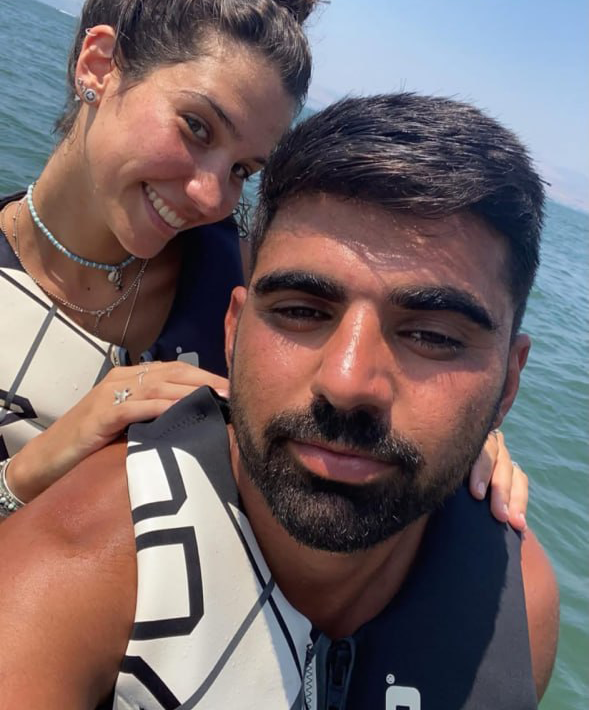
The family described an extraordinary friendship between Bar and Liron Barda. Childhood friends from Sha'arei Tikva, they were, in the family's words, "inseparable."
"Liron was always at our house, especially on Tuesdays when Mom made couscous. When Bar was traveling in Colombia, she even flew there to surprise him. They were soulmates."
Liron managed the bars at the Nova festival on Oct. 7. When Hamas terrorists attacked the festival, friends urged her to flee with them, but she refused. She stayed behind to provide first aid that saved the lives of many wounded festivalgoers before she was murdered.
Lihi said Liron's murder devastated her brother.
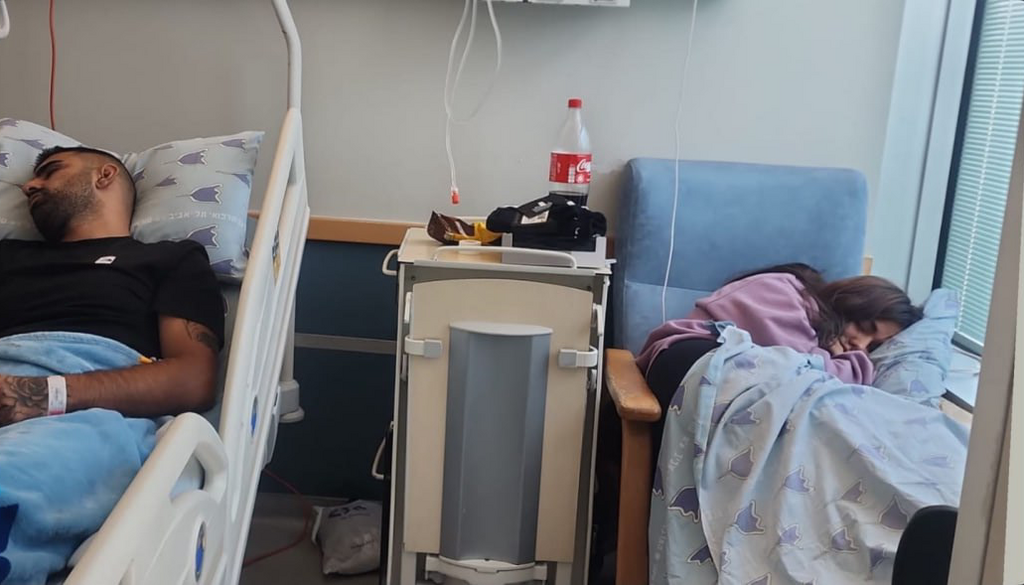
'Liron was everything to him'
(Photo: Courtesy of the family)
"At first he didn't sleep for a week. He didn't talk, eat or laugh. Gradually he began to recover. He started laughing again, talking to people and spreading Liron's love. He organized meals for soldiers in her memory, and during Passover he launched a campaign to distribute care packages to families in need. He was someone who was always helping others."
His mother, Bracha Asraf, also described the depth of their bond.
"Liron was everything to him. She was his best friend and his psychologist. It was important for him to tell her about everything he did. After she was murdered, he went to the cemetery almost every day. I told him not to go all the time, only when he truly felt he needed to talk to her, and he listened."
She said that even two years and nine months after the massacre, the pain had never truly faded.
"Two months ago he sat in the living room and cried. I asked him what was wrong, and he said, 'Mom, it's hard without Liron. No one can replace her. I miss her.' He hugged me and cried in a way I'll never forget."
Despite those moments, she said, her son continued to project happiness.
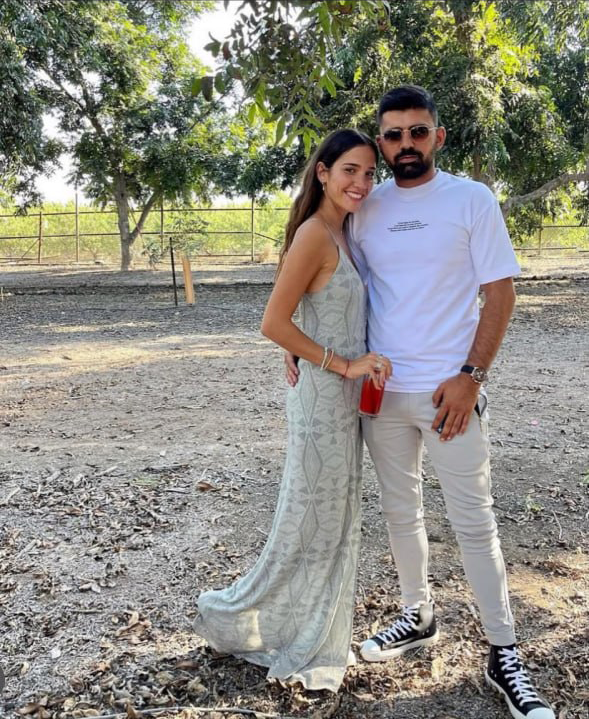
'She was his best friend and his psychologist'
(Photo: Courtesy of the family)
"Bar loved life. He had such a big heart. He cared so much about his brothers and always supported them. Before the wedding, all he wanted was for me to look my best. On Saturday, a few hours before he left the house, he sat with me, ate the cakes I had baked and said, 'Mom, what an incredible Shabbat Chatan. Only you could organize something like this and make sure nothing was missing.' Then I told him I was going to rest. He said, 'You deserve it.' When I went upstairs to sleep, he simply left."
Bar wore a necklace with Liron's photograph around his neck.
His family is struggling to come to terms with what happened, but they also want to draw attention to the suffering of those who lost loved ones on Oct. 7.
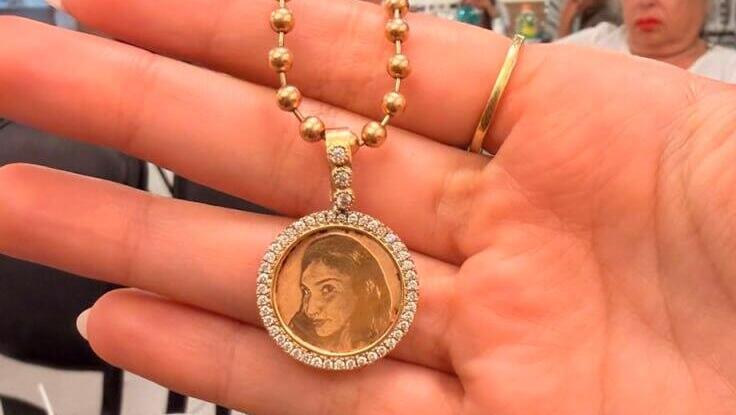
Bar wore a necklace with Liron's photograph around his neck
(Photo: Lihi Gordon)
"He wasn't at Nova, so no one will recognize him as a victim," they said. "But the friends of those who were murdered are also victims of the tragedy. People need to see their pain. Even when they seem happy, you have to ask them again and again how they're doing and be there for them. Saving one life is a great mitzvah, a commandment from God."
His mother added: "There are many people, especially men, who don't ask for help. I'm his mother. I thought I knew him better than anyone, and even I didn't see everything. Today I keep asking why and can't find an answer."
Bar Bechor Asraf is survived by his parents and four siblings. His family asks that he be remembered as he lived: "a boy with an enormous heart," in his mother's words, someone who cared deeply for others, held his family together and devoted the last years of his life to preserving the memory of his best friend, Liron.