

Sweida has long been the heartland of Syria’s Druze minority, a close-knit religious community that largely tried to protect its autonomy through years of civil war, shifting alliances and regime repression.
But last summer, the southern province became one of the bloodiest flashpoints in the post-Assad era, when clashes between Druze fighters, Bedouin militias and forces loyal to President Ahmad al-Sharaa spiraled into days of massacres, executions and attacks on civilians.
Interview with Syrian Druze content creator Nervanah Taleb Ghabra
(Video: Uri Davidovich)


Israeli airstrikes on Syrian regime targets helped force a withdrawal from the area, while Druze leaders and residents later credited Israel with helping halt the bloodshed.
But months later, the province remains gripped by fear and deprivation. Food, medicine and basic services are scarce, trust in Damascus has collapsed and many Druze feel abandoned by the new authorities now shaping Syria’s future. Some in Sweida have begun looking openly beyond Syria’s borders for support, including toward Israel, where Druze citizens have mobilized in solidarity with their Syrian counterparts.
For Syrian Druze content creator Nervanah Taleb Ghabra, who left Syria in January 2023 and now lives in France, the shift is both political and deeply personal.
Gallery
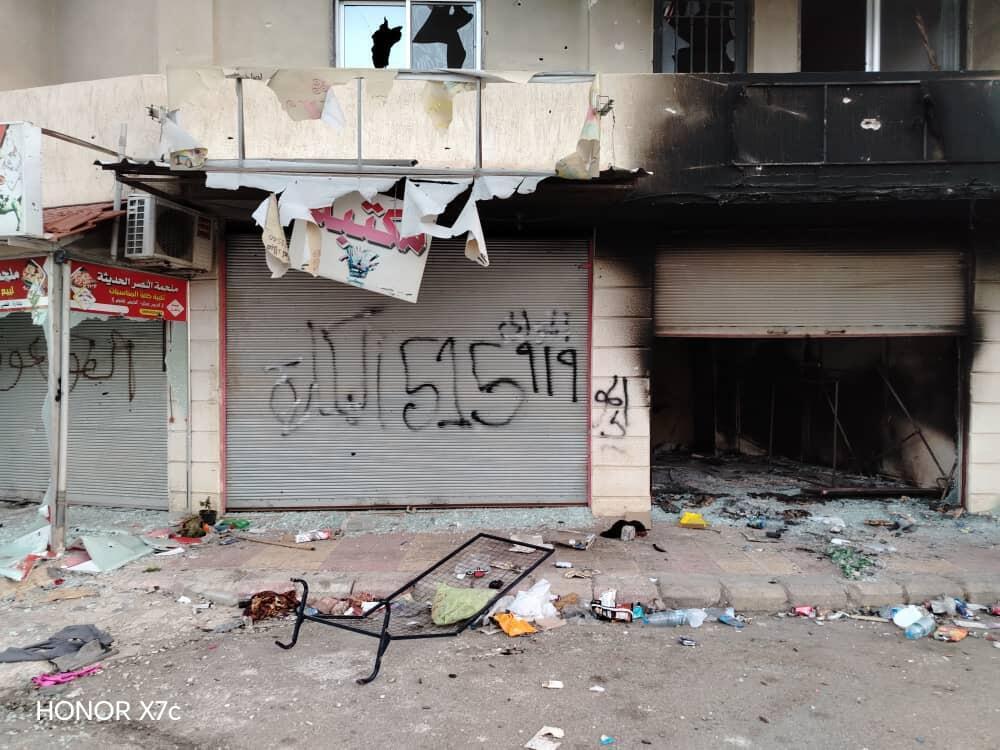
Destruction in Sweida after last year's violence in southern Syria
(Photo: Muhaned Shahab ad-Din)
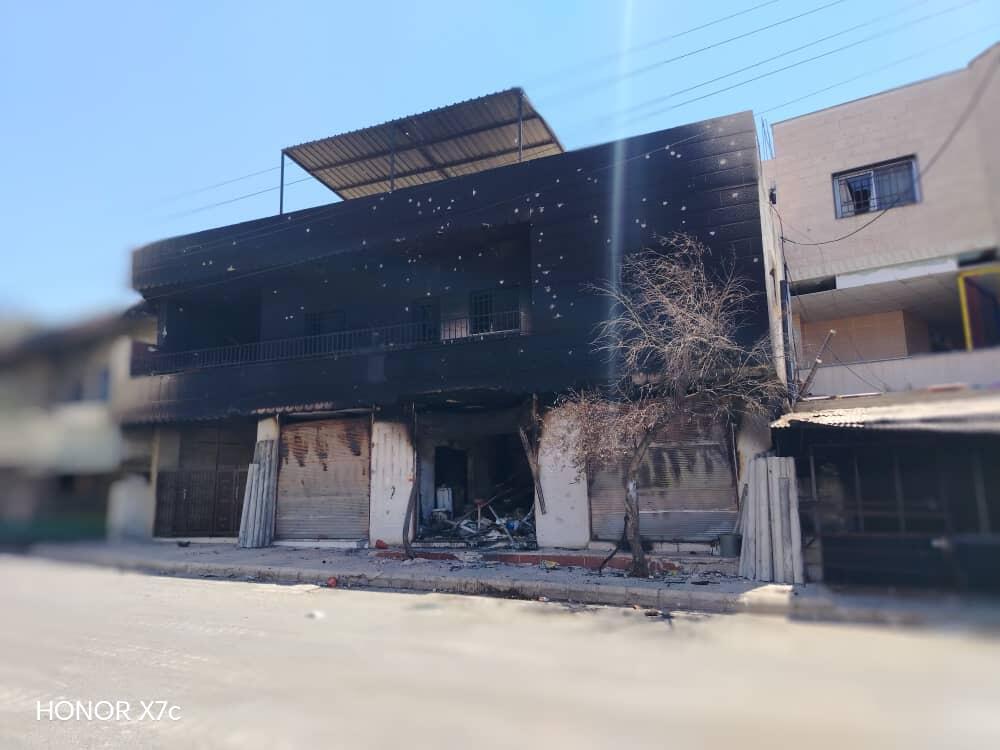
(Photo: Muhaned Shahab ad-Din)
Speaking to ynet Global, she said many members of Syria’s Druze minority initially hoped the fall of Bashar Assad’s regime would open the door to change after years of war and repression, but that hope quickly faded as instability deepened and minorities began feeling increasingly vulnerable.
“At first, we were really happy that the regime changed,” she said. “But when we saw the results and what happened afterward, it became really awful.”
Ghabra said many people there now feel isolated and abandoned as conditions continue to worsen. “Sweida is under siege,” she said. “There is no food, no medicine, no education.”
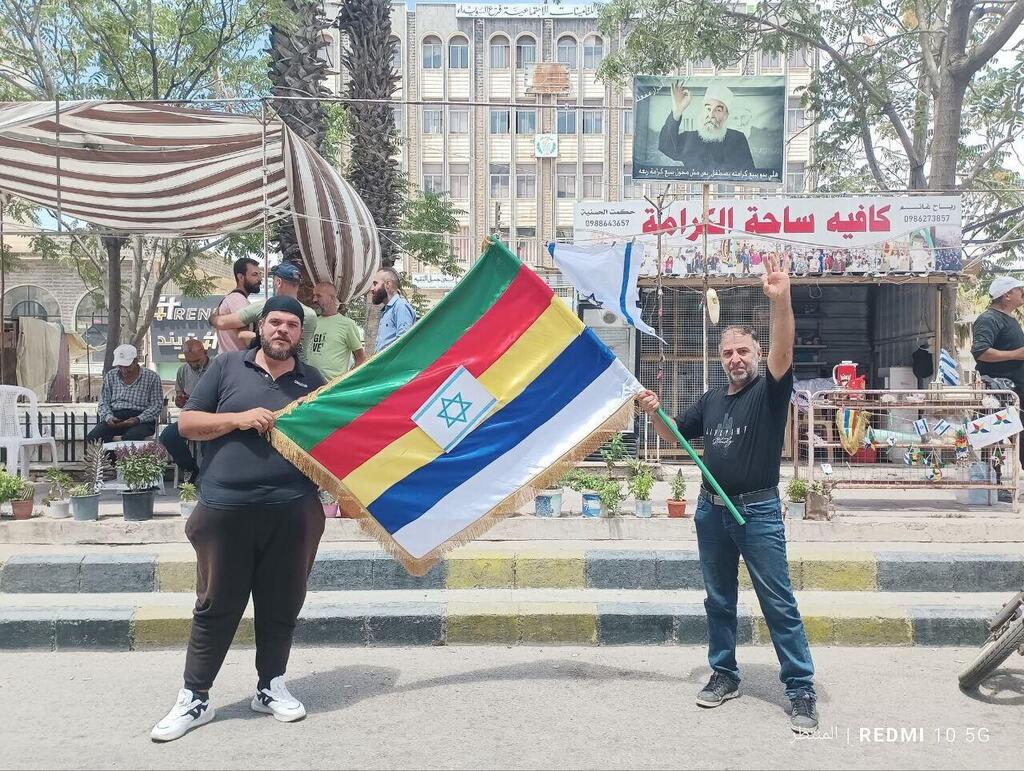
Syrian Druze fly a Druze flag emblazoned with an Israeli flag during a protest in Sweida against President Ahmad al-Sharaa’s regime
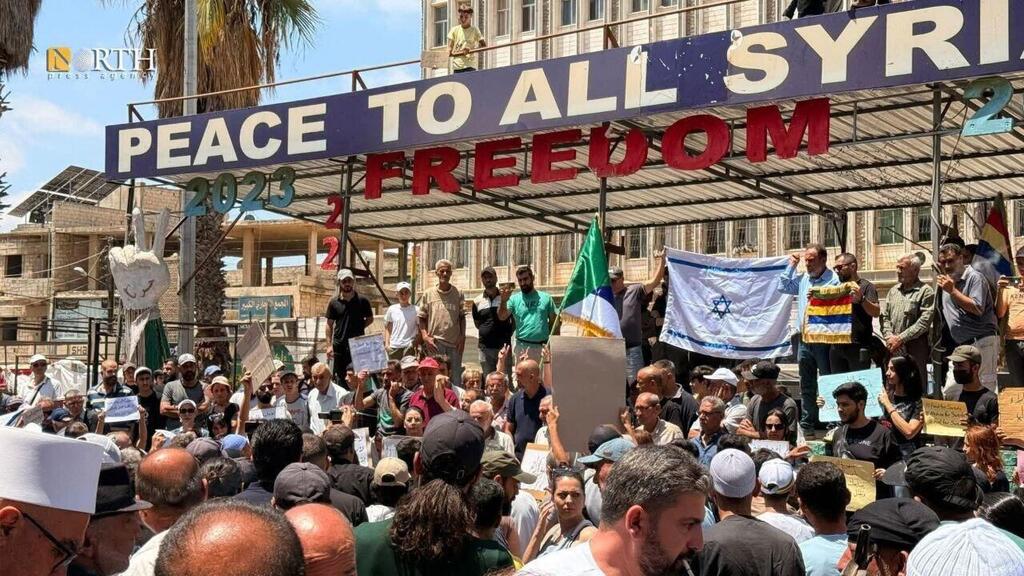
Syrian Druze fly the Israeli flag during a protest in Sweida against President Ahmad al-Sharaa’s regime
Ghabra said she remains in constant contact with friends and residents in the beleaguered province, often speaking with them daily. According to her, many now openly discuss Israel as a possible source of assistance and protection amid growing uncertainty inside Syria. “They ask Israel to help them,” she said.
That growing interest in Israel also influenced her own personal journey. Ghabra, a language enthusiast, said she began learning Hebrew after encouragement from her father, who suggested she try studying the language. Over time, she said, the process became deeply meaningful for her, not only linguistically but culturally and emotionally as well.
“I appreciate what Israel did with us,” she said. “I wanted to know Israelis and Jewish people more, to discover the culture and connect through the language.”
She described the response from Israelis and Jewish communities as overwhelmingly supportive, saying many people encouraged her decision and helped her continue learning. Her favorite Hebrew word, she said, is “ahava,” meaning love.
For Ghabra, learning Hebrew became more than a personal interest. She said it represents an attempt to create understanding between communities that remain largely unfamiliar with one another despite living in the same region.
“I want to be a bridge between Syrian Druze people and Jewish people,” she said. “We need to know more about each other, our culture and our mentality.”
Asked about Israeli Druze communities, Ghabra referred to them as “our brothers” and thanked them for standing beside Druze communities in Syria during the current crisis. “You are our family,” she said. “Without your help, there would not be Sweida.”
Ghabra said she hopes Syrians and Israelis will one day be able to live in peace and speak openly. Asked whether she could see herself moving to Israel someday, she replied: “Why not?”
Ghabra ended with an appeal to Israelis to keep their focus on the worsening humanitarian crisis in southern Syria. “Please save Sweida,” she said. “We really need your help.”