


Sixty percent of Israeli aid and development organizations operating internationally have seen their ability to raise funds harmed since the outbreak of the Swords of Iron war, according to a survey conducted by SID-Israel, the umbrella organization of the Israeli professional community in international development and humanitarian aid.
The organizations operate in developing countries and conflict zones across Africa, Asia, and the Caribbean, and in Ukraine since the outbreak of the war between Russia and Ukraine.
The survey found that about 40% of the organizations reported a decline in international partnerships, while more than one-third encountered threats, and in some cases the actual termination of cooperative projects.
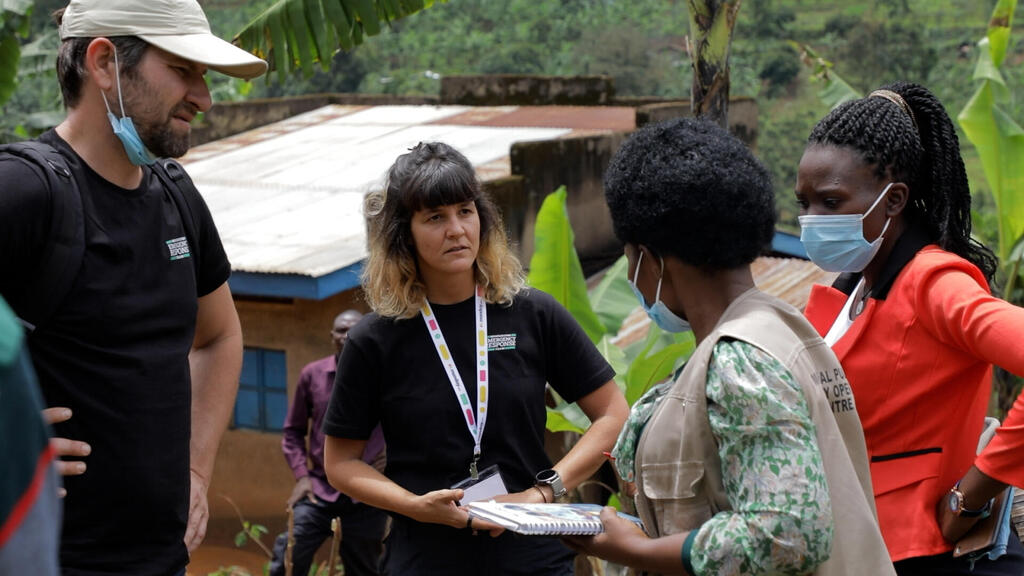
Archive photo. Israeli humanitarian workers from the Monday organization in Uganda
(Photo: Monday)
The survey, conducted among 20 organizations, companies and representatives of academic programs operating in Israel and abroad, paints a troubling picture of the impact of the war in Gaza on the sector. It points to significant damage to operational capacity, fundraising and long-term planning, alongside mounting political pressure, manifestations of antisemitism and a growing sense of isolation in the international arena.
About half of the organizations said the war has affected the nature and scope of their relationships with overseas partners. The most severe impact has been on resources and fundraising. Sixty percent reported harm to their ability to secure donations or investors, and about half cited an actual, sometimes sharp, decline in donations over the past year.
More than one-third said the renewal of multi-year grants has become less certain, significantly undermining their ability to plan long-term projects.
International criticism and concerns over hostile reactions have led to changes in operating practices. About 40% of the organizations said they were forced to alter how they present their work, either by emphasizing universal humanitarian values or by blurring their Israeli identity.
Others reported concealing partnerships, reducing public visibility and canceling joint initiatives, particularly with partners in countries where relations have deteriorated since the war began.
Nearly 60% of the organizations reported encountering anti-Israeli or antisemitic incidents, either personally or among colleagues. Staff members and volunteers described a decline in their sense of personal safety and fears of working in the field.
In some cases, organizations reported employee departures and layoffs. More than a quarter of respondents said they were questioned or required to address political positions regarding the war as part of their work.
In an effort to continue operating, organizations reported shifting resources to activity within Israel and increasing reliance on domestic donations.
“The war has created challenges for Israeli organizations and companies working in international development, but it has also revealed a committed, professional community with a high capacity for adaptation,” said SID Israel CEO Ayelet Levin Karp.