


Prime Minister Benjamin Netanyahu ordered the cancellation of a minister’s committee meeting that was set to discuss legislation reshaping prayer arrangements at the Western Wall, following a High Court ruling that the state must move forward with plans for the egalitarian section.
The Ministerial Committee for Legislation had been scheduled to debate a bill by the Noam party chairman, Knesset Member Avi Maoz, concerning the division of the Western Wall plaza. The proposal would place all areas of the site, including the southern plaza known as Ezrat Yisrael, under the authority of Israel’s chief rabbis and mandate Orthodox custom for all prayer there.
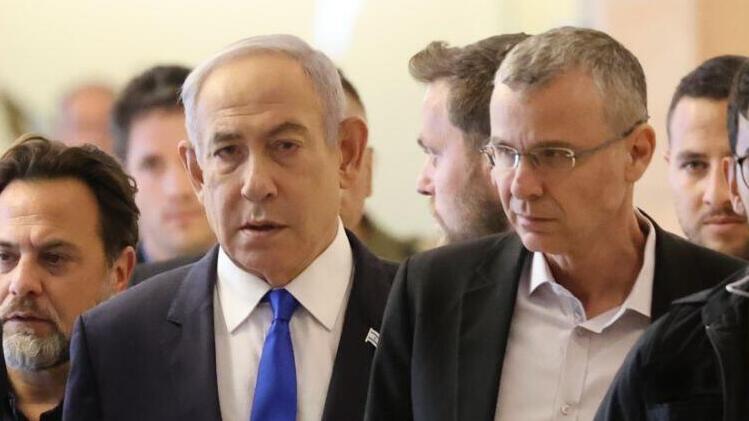
Justice Minister Yariv Levin had sought to bring the bill for committee approval. However, Netanyahu asked that the discussion be canceled, a move seen as aimed at avoiding anger among Reform and Conservative Jewish communities abroad.
After the meeting was called off, Levin said he would support the bill in the Knesset plenum. “Following my announcement on Thursday regarding my support for the Western Wall bill, I decided to bring it to a vote in the Ministerial Committee for Legislation. This morning I received notice that the meeting was canceled. In this situation there is no government position, and therefore I intend to vote in favor of the bill in the plenum. I call on all Knesset members, particularly coalition members, to do so and to say to the High Court: enough is enough,” he said.
On Thursday, the High Court of Justice ruled that the state must stop delaying implementation of plans to connect the Ezrat Yisrael plaza, intended for non-Orthodox prayer, to the main stones of the Western Wall. The directive was originally issued by Netanyahu in June 2017 as part of arrangements for prayer at the site.
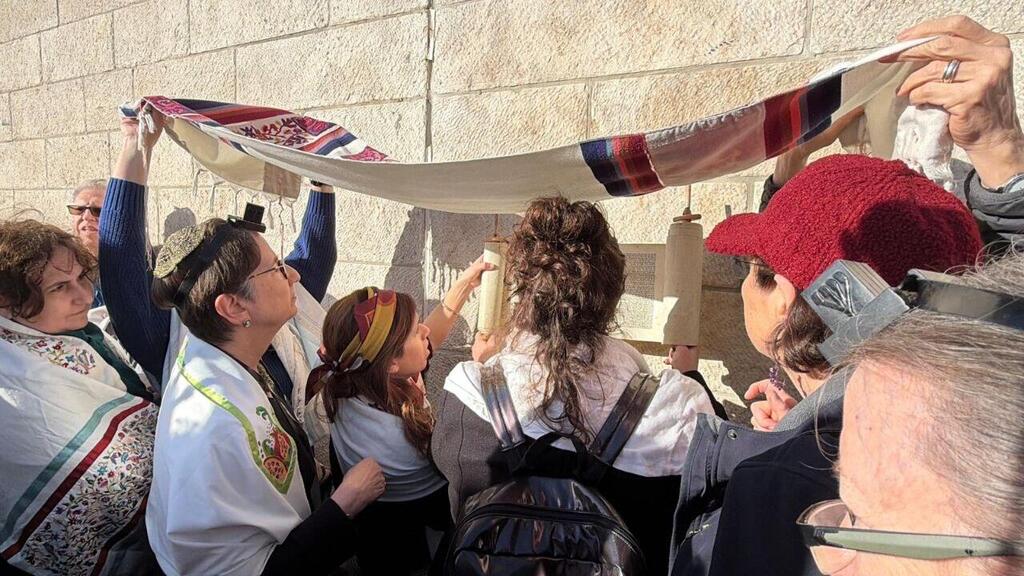
Women of the Wall at Rosh Hodesh prayer
(Photo: Women of the Wall)
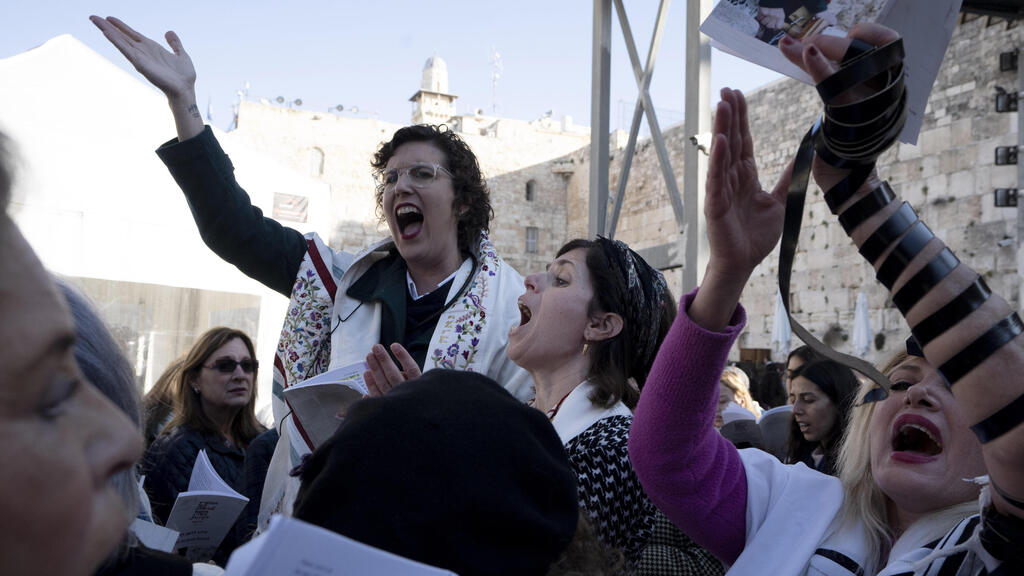
(Photo: AP)
Petitioners demanded full implementation of the Western Wall compromise, including construction of direct access from Ezrat Yisrael to the Western Wall stones. Currently, archaeological remains separate the southern plaza from the wall itself, and access to Ezrat Yisrael is via stairs only, making it inaccessible to people with disabilities. The petitioners also called for improved accessibility.
The High Court hearing followed petitions by Women of the Wall and the Reform movement seeking to allow women to bring Torah scrolls to the Western Wall and to conduct prayers not in accordance with Orthodox Jewish law.
Maoz’s proposed amendment to the Protection of Holy Places Law would clarify that Israel’s chief rabbis are the exclusive representatives of the Jewish faith for the purpose of implementing the law and would define “desecration” at Jewish holy sites as conduct contrary to the directives and rulings of the Chief Rabbinate. The explanatory notes state that over the years ambiguity developed in interpreting the law and that various bodies, including the courts, have given the term “desecration” meanings that do not align with the original intent of the legislature.
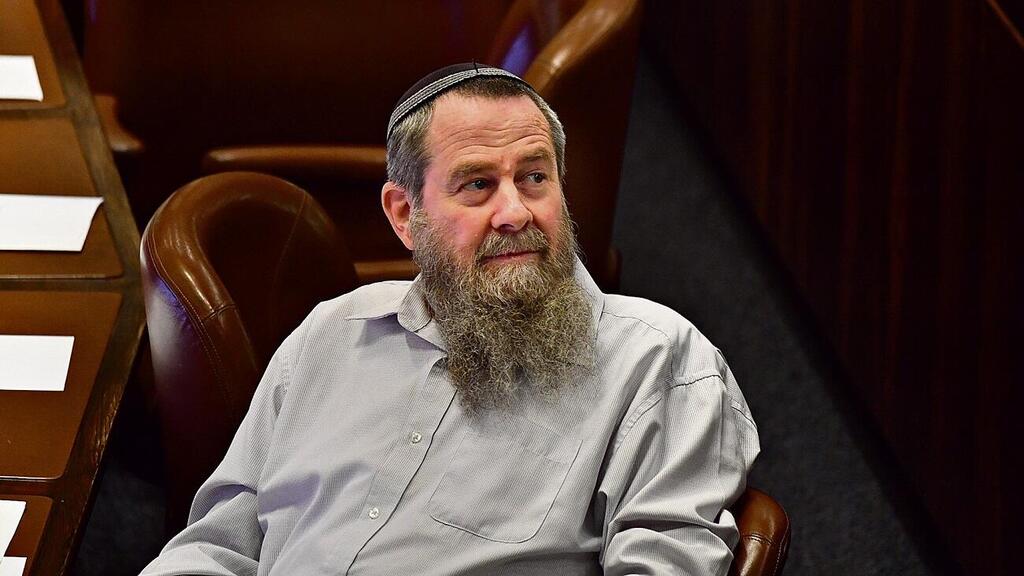
Knesset Member Avi Maoz
(Photo: Yoav Dudkevitch)
The proposal also seeks to specify that, for the purpose of issuing regulations under the law, the chief rabbis as defined in the Chief Rabbinate Law would be considered the exclusive representatives of the Jewish faith.
Coalition chairman Ofir Katz said that if the bill is brought for preliminary reading on Wednesday, coalition lawmakers would be allowed to vote according to their conscience.
Women of the Wall said in response that the bill would harm millions of Jews in Israel and the Diaspora. “This is a bad bill aimed at telling Jews who are no less Jewish than Avi Maoz or the chief rabbis that either you accept the separatist ultra-Orthodox way in which the Western Wall is run, or you do not belong with us,” the group said.
The organization added that the recent High Court decision merely reaffirmed a 2018 ministers’ committee decision to establish Ezrat Yisrael at the Western Wall and described the ruling as a step that could bring calm to the site. It also criticized Levin, noting that he previously voted in favor of the Western Wall compromise.