

Lt. Col. Dor Gedalia Ben Simhon, the 32-year-old commander of the 52nd Battalion in the 401st Armored Brigade, was killed overnight in southern Lebanon. Less than a month before his death, he spoke to ynet about the fight against Hezbollah, troop morale and the growing threat posed by drones.
Ben Simhon, from Kibbutz Beit Hashita, was one of four IDF soldiers killed near midnight between Thursday and Friday when what the military described as a “suspicious target” struck a tank operated by 52nd Battalion troops in Kfartebnit in southern Lebanon.
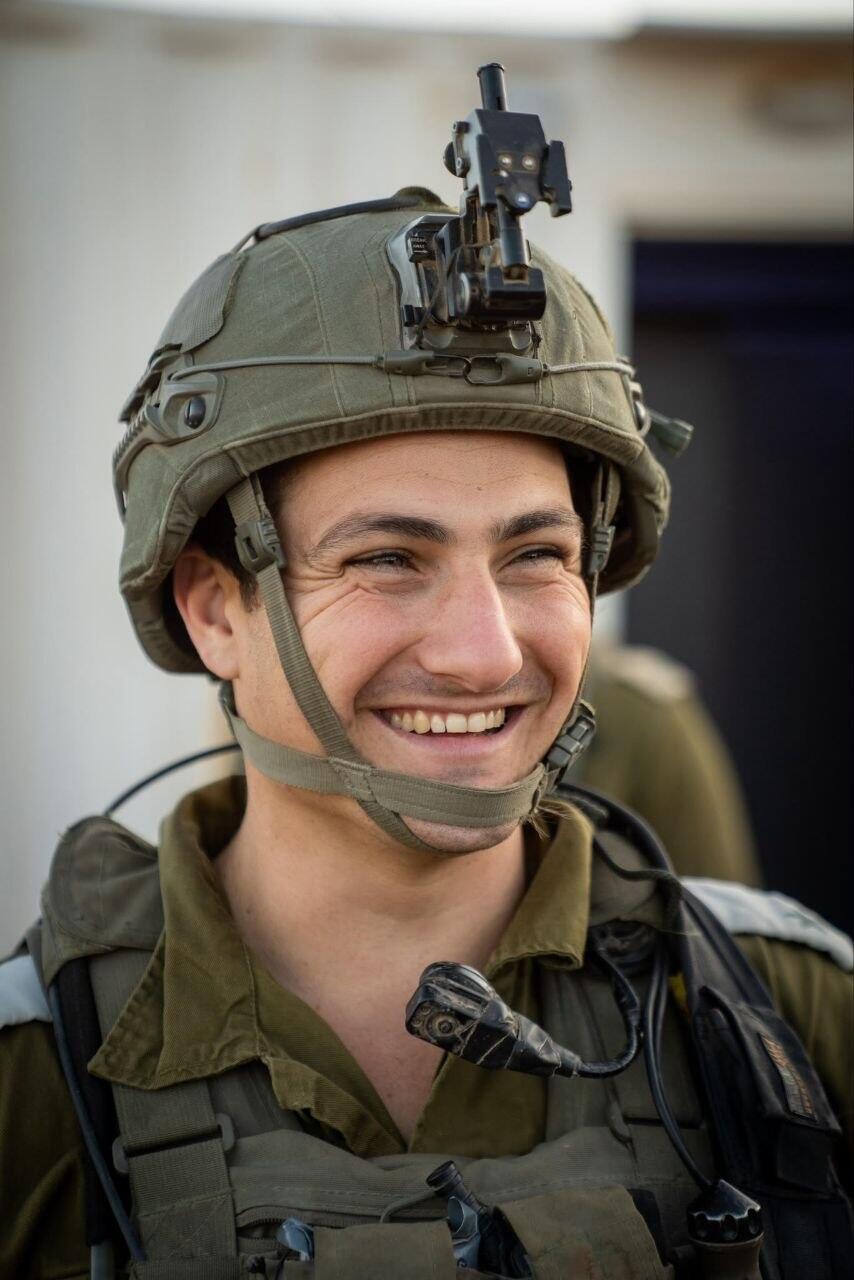
In the interview, conducted from deep inside Lebanon after 401st Brigade Commander Col. Meir Biderman was wounded, Ben Simhon spoke alongside three other battalion commanders about the campaign against Hezbollah.
“There are things we still cannot talk about,” he said at the time. “But I can say with confidence that we are carrying out very significant operations here to improve the defense of the citizens of Israel. I assume they will be discussed in the future. The soldiers here are writing history in real time.”
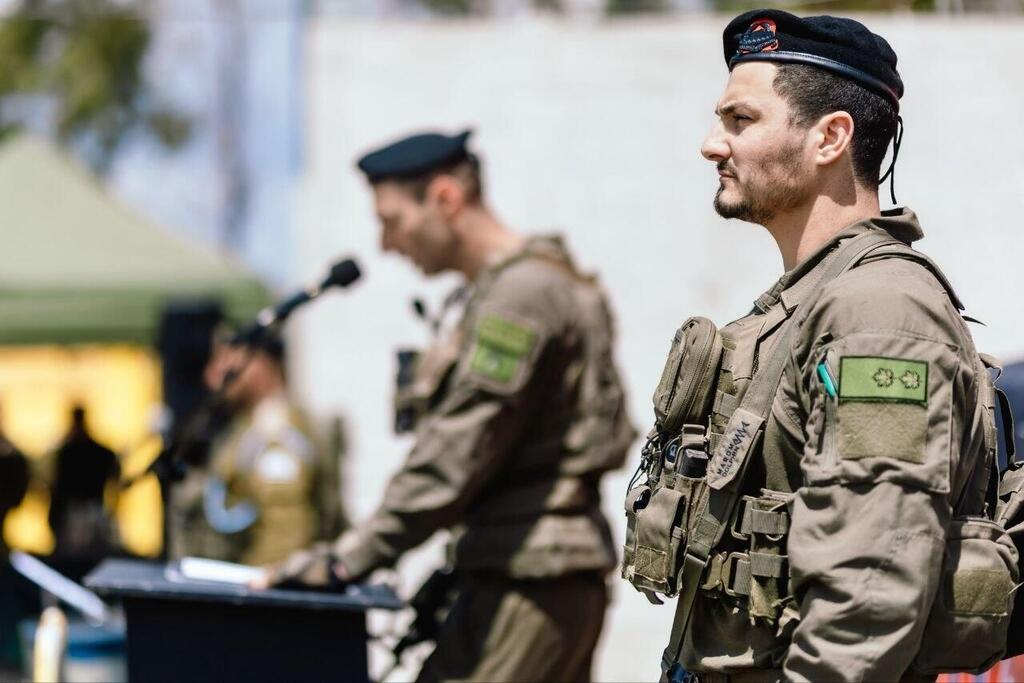
52nd Battalion Commander Lt. Col. Dor Gedalia Ben Simhon
(Photo: IDF)
Ben Simhon took command of the battalion in April after its previous commander was wounded, leading the unit in the Litani River area. “I took command earlier than planned and received a seasoned and experienced battalion that does not stop in front of any challenge,” he said.
“We are in a war against a learning and evolving enemy. The drone field is one example, and we are also developing and learning to always stay at least one step ahead,” he said. “We have everything needed to complete the mission in the best possible way.”
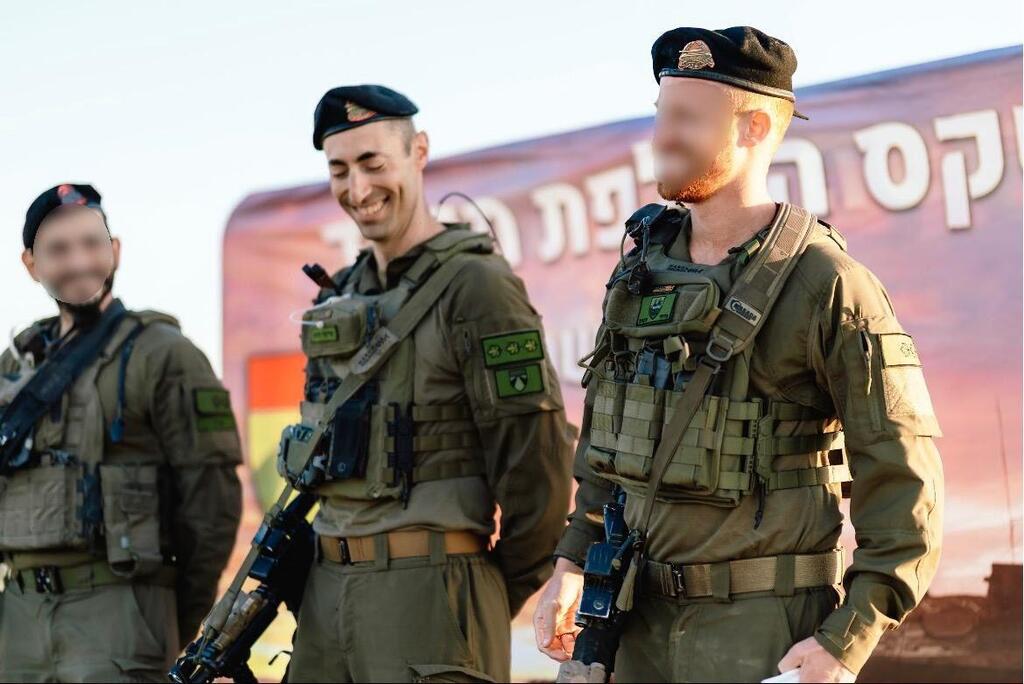
52nd Battalion Commander Lt. Col. Dor Gedalia Ben Simhon, 401st Armored Brigade Commander Col. Meir Biderman and 9th Battalion Commander Lt. Col. L
(Photo: IDF)
The four battalion commanders of the 401st Brigade said at the time: “We used to look back and see northern communities from our positions. Today they are far from us and we cannot see them. That says a lot. It is important to us that people at home know we are not stopping the fight. The more the soldiers are strengthened and not every small thing is turned into a crisis, the more we can keep the operational edge sharp and lethal.”
Ben Simhon’s wife, Maj. A., is a deputy battalion commander in the Combat Intelligence Collection Corps. The couple had two daughters, one 3 years old and the other just over a year old.
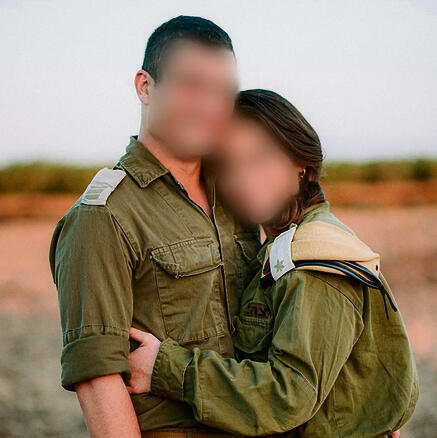
Ben Simhon with his wife Maj. A
“I gave it my all,” she told ynet last month, shortly before receiving a certificate of excellence from the IDF chief of staff. “With my family situation, as a mother, I was entirely in the battalion, which is my second family. It is dedication above 100%. There is no question. I knew how to combine the two.”
The couple met while studying between command positions in the standing army. “Between the two of us, I am the one who pushes more to continue in the army,” she said. “There were several moments when he thought about leaving, and I kept both of us in the system.”
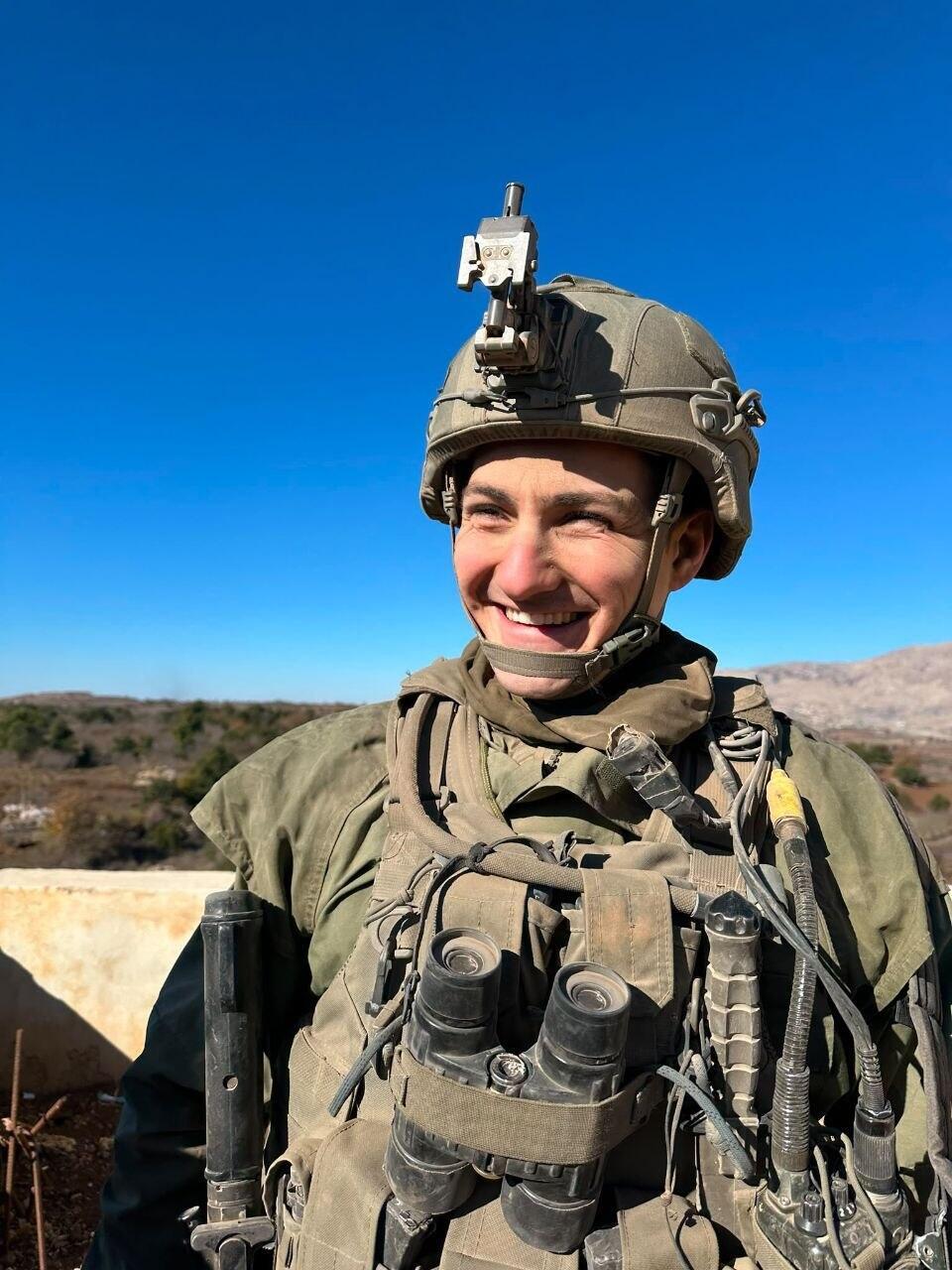
Ben Simhon
(Photo: IDF)
She described raising children while both parents served in career military roles. “We began alternating between me and my husband — when I was in the field, he was not, and vice versa. When the war broke out, I was in Northern Command operations and he was chief of staff to the head of Northern Command. It was very complex. We were like that for more than a year.
“Our commanders understand that, and I have a very strong family support system. Before every promotion, we really consult with them too, because there is a huge burden on them. We turned grandparents back into mothers and fathers in some moments. The girls also come visit me when I stay on base for Shabbat. Meeting the children once in a while becomes incredibly precious and not taken for granted.”
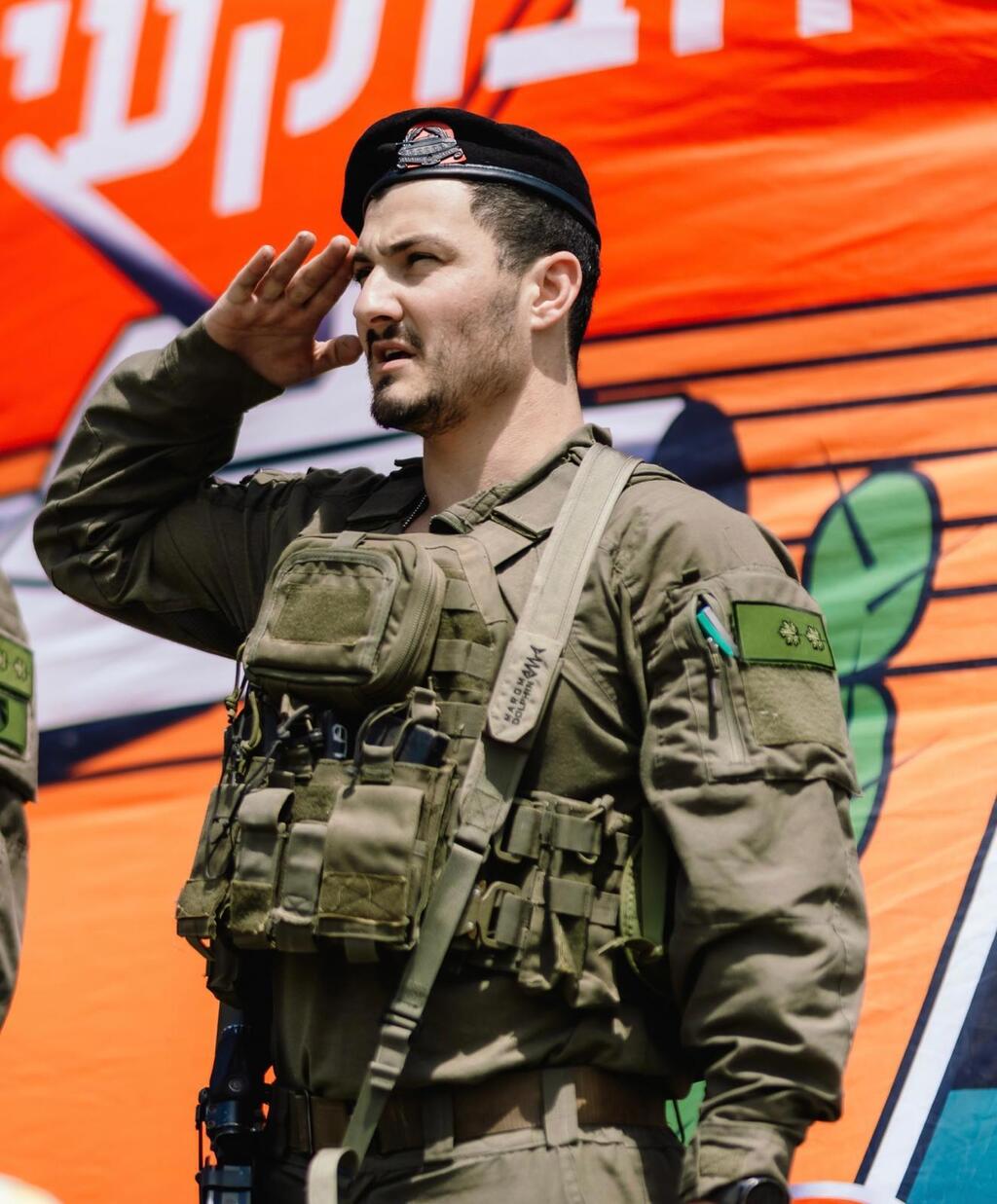
Ben Simhon
(Photo: IDF)
Maj. A. enlisted in October 2013 as a surveillance soldier, later completed officer training and became a company commander. After finishing her degree, she was assigned as a collection company commander in the 414th Battalion. “It was a very prestigious position,” she said.
She later joined the battalion where she now serves, first as an operations officer. “I had to transition into the combat world, and that role was my shift into warfare,” she said.
Speaking about the role for which she received a certificate of excellence last month, she said: “I am the engine of the battalion. I am responsible for implementing the battalion commander’s instructions, leading safety and force-building. I go out to the field to mentor the teams, serve as a guide for commanders, investigate significant incidents and raise the standard.”