

The air in southern Lebanon changes the deeper forces move in. The striking landscape visible from there, sometimes overlooking northern Israeli communities, most of which are now empty, is deceptive. Beneath the green hills and inside residential buildings, Hezbollah has left behind a terror network of tunnels, weapons depots and formations of deadly suicide drones.
The 401st Armored Brigade arrived there after months of intense fighting in the Gaza Strip. Over the past week, the brigade was shaken when its commander, Col. Meir Biderman, was wounded by a Hezbollah first-person-view (FPV) drone.
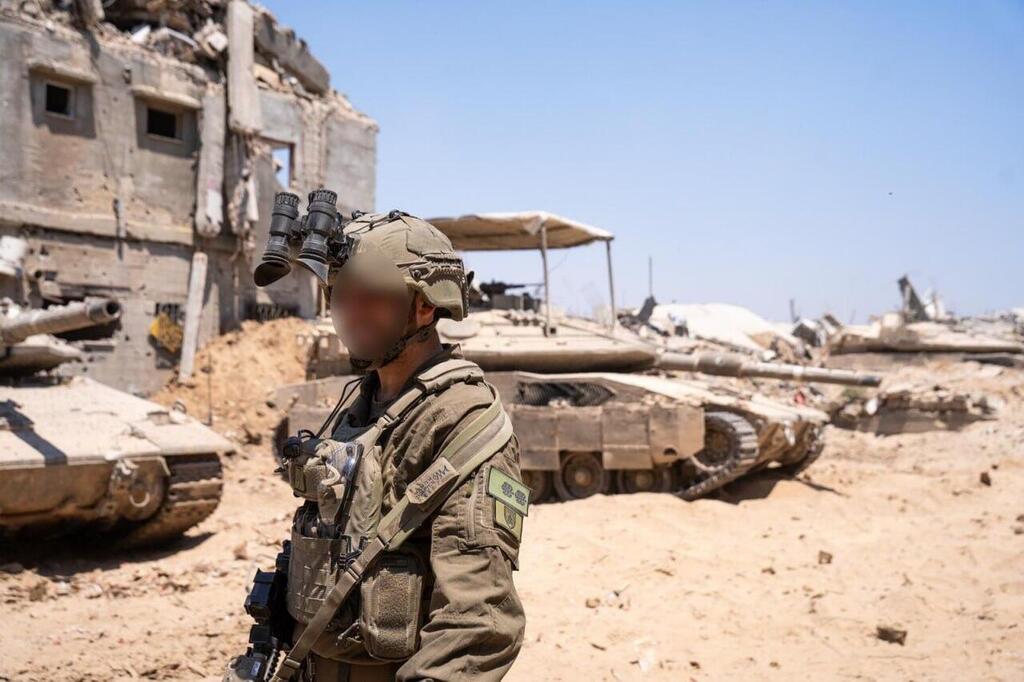
In a special interview with ynet and its parent newspaper Yedioth Ahronoth, four of the brigade’s battalion commanders — Lt. Col. Y (601st Battalion), Lt. Col. A (46th Battalion), Lt. Col. L (9th Battalion) and Lt. Col. D (52nd Battalion) — describe the dramatic moments when their commander was hit, the soldiers killed in action, the drone threat and their shared determination to keep advancing without stopping.
The drone threat dominates the discussion. “This is a serious tactical threat,” says Lt. Col. A. “We are in a learning race with the enemy. They have already started using thermal capabilities and may move to drop drones as well. We have to be prepared, there is no sterile battlefield here. We put protective nets on armored vehicles and they try to overcome them. We have plenty of resources and are bringing solutions that are being tested in the field.”
Lt. Col. L offers a more optimistic view. “In this campaign, the 9th Battalion already has eight successful interceptions by the Trophy active protection system against anti-tank missiles. That gives us a lot of confidence. Just as we learned to deal with anti-tank missiles, the drone problem will also be solved. The key point is that drones barely cross the border thanks to our presence here. They have fallen in small numbers near nearby communities, and that reflects what we believe in: the soldier comes before the civilian. If we were not here, deep in the area, these drones might have reached the promenade in Nahariya.”
Lt. Col. D took command in April after his predecessor was wounded. He now leads his battalion in the Litani River sector. “I took command earlier than planned and received a seasoned and experienced battalion that does not stop in front of any challenge,” he says. “We are in a war against a learning and evolving enemy. The drone field is one example, and we are also developing and learning to always stay at least one step ahead. We have everything needed to complete the mission in the best possible way.”
'The head was hit'
The brigade commander’s injury was a complex moment for them.
“Biderman is a true and humble leader,” says Lt. Col. Y. “He is the kind of commander who makes the IDF a more professional and better place. When we heard over the radio that he was wounded, it was not simple. A brigade commander is not just a hierarchical authority, he is a source of confidence, the eyes you look to when you need advice or extraction from a difficult situation. The one who treated and evacuated him was his deputy, who reported calmly over the radio: ‘The head has been hit, I am with him and treating him, he is fine.’ He was conscious, we spoke to him when he arrived at the hospital and he even joked with us about the video Hezbollah rushed to release about him.”
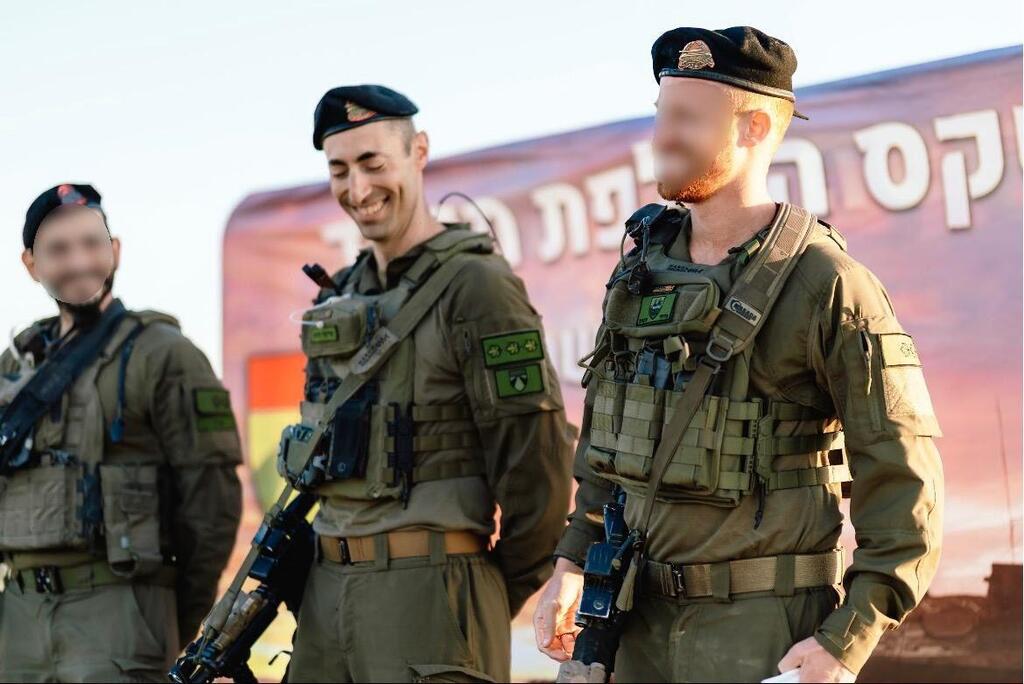
52nd Battalion Commander Lt. Col. D, 401st Armored Brigade Commander Col. Meir Biderman and 9th Battalion Commander Lt. Col. L
(Photo: IDF Spokesperson)
Lt. Col. L, who previously served as operations officer under the late Col. Ehsan Daxa, the former brigade commander killed in Gaza, emphasizes: “The strength of this brigade is that there are no gaps. Exactly 20 minutes after Biderman was wounded, his replacement came in and took over. The system stabilizes immediately and remains effective.”
Lt. Col. A looks at the videos Hezbollah quickly published on social media with a sober perspective: “These videos mainly reflect their pain. Just last night we returned from deep raids. This is a painful point for the enemy. They use guerrilla tactics and propaganda to create a morale effect, but the public at home needs to know what is really happening on the ground.”
The heroes who did not return
Lt. Col. Y recently lost Sgt. Nehoray Leizer, who was hit by a drone while inside an armored vehicle.
“Nehoray chose the most meaningful role, to be at the front and have maximum impact,” he says tearfully. “It reflects his family and the values he grew up on. He was a driver of the battalion evacuation vehicle and everything he focused on was saving lives as fast as possible. He was a good soldier and an amazing humble person. It is a huge loss. The day after the incident we closed the circle: the person who led the drone operation in which Nehoray was killed was eliminated.”
The 9th Battalion also paid a heavy price in Lebanon, with two soldiers killed in combat.
“Liran Ben Zion, a fighter in the deputy battalion commander’s command post, was killed by an anti-tank missile at the very beginning of the campaign,” says Lt. Col. L. “He had only joined us four months earlier, a wonderful guy with exceptional social abilities.”
“The second casualty is Noam Hamburger, a maintenance soldier in the battalion, killed by a drone strike. Noam arrived with huge motivation. A sweet and professional guy who wanted to stay on as a career soldier. The maintenance soldiers are under extreme pressure. They repair equipment under fire. The drone hit them while they were working on a tank. In both incidents I saw soldiers risking their lives and evacuating wounded under fire without hesitation. It is not easy to return to battle after a friend is killed. We support everyone and assess who is struggling.”
Lt. Col. L adds: “Boaz, my deputy battalion commander, who was seriously wounded in the incident in which Liran was killed, acted with incredible bravery. He bandaged himself in the field and applied a tourniquet on himself. He is an example for me and proof that we keep moving forward. Three days after his injury we already appointed a new deputy battalion commander.”
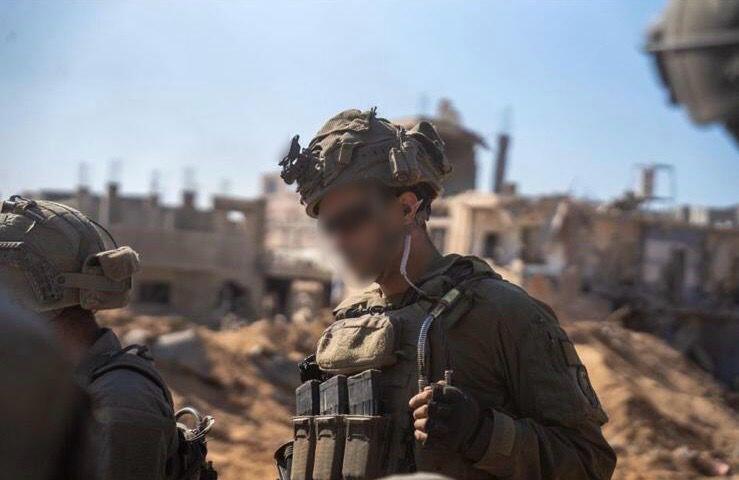
Lt. Col. Y.
(Photo: IDF Spokesperson)
When asked about the continuation of the mission, the commanders agree that the best defense for northern Israeli communities is continuous offensive action that destroys the enemy’s centers of gravity and pushes it back.
“Hezbollah built its permanent infrastructure inside civilian homes and forests, and we are destroying it,” says Lt. Col. Y. “Standing on an exposed hill and firing at us is a significant challenge for them. It is almost suicide. They no longer have the infrastructure they once had near the border. We have set them back years. The most important thing is reaching every point. There is no room for hesitation.”
Lt. Col. A adds: “We are going to eliminate the enemy wherever it is. The people operating the drones are within the ranges we are maneuvering into. Our forward movement and the destruction of terrorists will ultimately reduce this threat.”
“Combat in Gaza shaped us, but here it is different,” concludes Lt. Col. L, who is currently inside Lebanese territory about 12 kilometers from the border. “The IDF defined a framework: you remain in defensive posture up to the yellow line, but you are given full freedom to cross it in offense. I go out on attacks and strike infrastructure. Even if we do not encounter the enemy face to face, he is being pushed back.”
Lt. Col. D says: “There are things we still cannot talk about, but I can say with confidence that we are carrying out very significant operations here to improve the defense of the citizens of Israel. I assume they will be discussed in the future. The soldiers here are writing history in real time.”
The commanders are satisfied with the results: “We used to look back and see northern communities from our positions. Today they are far from us and we cannot see them. That says a lot. It is important to us that people at home know we are not stopping the fight. The more the soldiers are strengthened and not every small thing is turned into a crisis, the more we can keep the operational edge sharp and lethal.”