

The U.S. president expressed frustration that a naval blockade on Iran had failed to force concessions on its nuclear program and weighed several options before announcing “Project Freedom,” which was followed yesterday by Iranian fire at ships — and at the United Arab Emirates.
The Wall Street Journal reported overnight, citing U.S. and foreign officials, that the American president may approve a military response against Iran within days, though there has been no confirmation from another source.
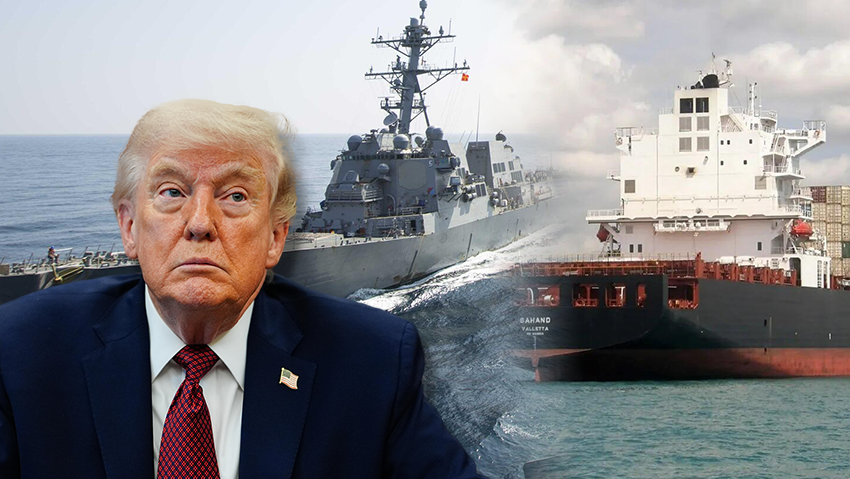
Overnight, Trump said the Iranian fire toward Gulf states “was not heavy.” Asked whether a ceasefire had been violated, he replied: “I'll let you know, I’m checking it. Iran should hope the ceasefire remains in effect.” He has not provided an update since, but according to the Journal, the president prefers to avoid renewed bombing of Iran and instead reach a negotiated solution. In Iran, for now, there appears to be no one willing to accept his demands.
“I call it a mini war because that's all they are,” Trump told small business owners at the White House yesterday. “It's a little detour — and it works very nicely.” According to the report, Trump was presented with several options to break the stalemate with Iran, including striking 25% of the remaining targets on the Pentagon’s list. The president ultimately chose a plan to escort ships through the Strait of Hormuz and warned that any interference would be met with force.
U.S. Defense Secretary Pete Hegseth and Chairman of the Joint Chiefs of Staff Gen. Dan Caine are expected to brief the media later today on the escort plan in the Strait of Hormuz and likely outline the administration’s next steps regarding Iran. A crisis in Hormuz could cast a shadow over a summit planned for next week between the U.S. president and Chinese President Xi Jinping in Beijing.
Footage from Iran: Fire toward US ships


The United States and Bahrain overnight circulated to U.N. Security Council members a first draft of a joint resolution focused on ending Iran’s blockade of the Strait of Hormuz. Like previous proposals, the text does not mention Israel and focuses solely on Iran. Key elements include condemnation of Iran’s offensive activities, a demand they cease and a call for cooperation with the United Nations, along with a provision that sanctions and other measures will be considered if Iran refuses to comply.
On the Iranian side, Foreign Minister Abbas Araghchi wrote on social media that events in Hormuz prove military action cannot resolve the political crisis. He said talks via Pakistani mediators are progressing and warned that the United States and the United Arab Emirates should beware of what he called “malign actors” who could drag them back “into the quagmire and war.” Araghchi referred to “Project Freedom” as a “project dead-end.”
Heightened tensions and alert in Israel
The United Arab Emirates said yesterday that its air defense systems intercepted missiles launched from Iran and that another missile fell into the sea. Authorities also reported a fire at an oil facility in Fujairah after a drone strike and said three Indian nationals were wounded. According to the UAE Ministry of Defense, Iran launched a total of 12 ballistic missiles, three cruise missiles and four drones over the course of the day.
Following the wave of attacks, the UAE Foreign Ministry said: “We condemn the renewed Iranian aggression using missiles and drones. This new aggression is a dangerous escalation, an unacceptable act and a direct threat to the country’s security and stability. We will not compromise on defending our security and sovereignty. We reserve the right to respond fully to these attacks.”
Amid rising tensions in the Strait of Hormuz, Israel is closely monitoring the U.S. operation and preparing for possible consequences, including renewed fighting with Iran. An Israeli official described the situation as a “game of chicken” that will determine who backs down first. “The question is how the Iranians will respond,” the official said, shortly before the launches toward the UAE. “If they fold, it means they have lost control of Hormuz. If they choose to fight over the passage, it means an attack.”
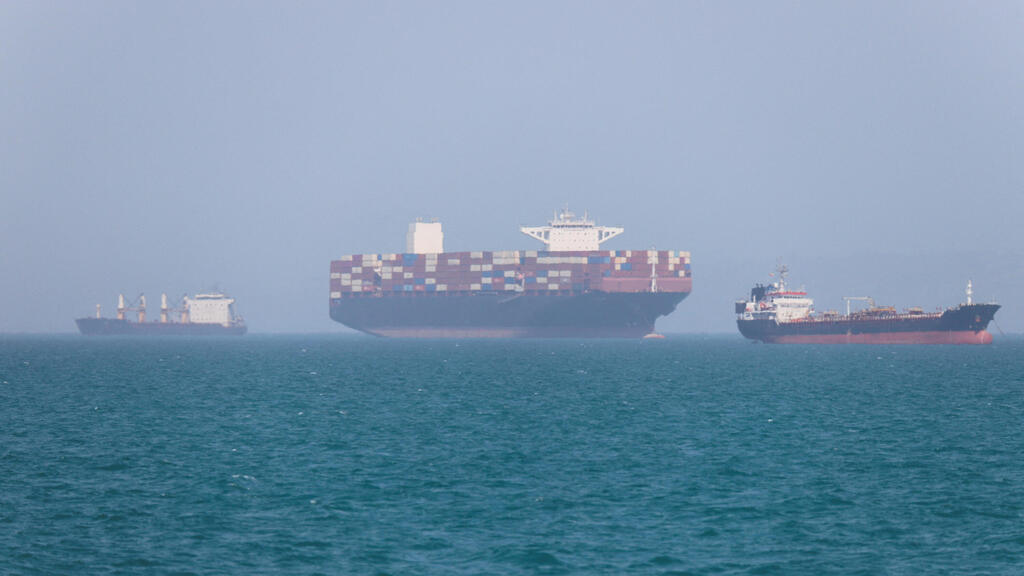
Ships in the Strait of Hormuz
(Photo: Amirhosein Khorgooi/ISNA/WANA (West Asia News Agency) via REUTERS)
According to the official, further escalation depends more on Iran than on Trump. “He is challenging them, and now we’ll see how significant Hormuz really is to them. If he moves ships and tankers, and oil and goods flow over their heads, it means he effectively controls the strait and Iran has lost its last leverage. In any case, it increases the likelihood of a return to fighting. There is a possibility the Iranians will respond forcefully and escalate, which could require the U.S. and possibly Israel to resume fire.”