


“We have different views and we are proud of that,” Naftali Bennett said Sunday at the opening of a news conference where he formally announced a surprise alliance with Yesh Atid and its leader, Yair Lapid.
Political mergers are common, especially before elections. But this one appeared to catch many off guard. At about 4 p.m., Bennett and Lapid announced a joint news conference and later described their alliance as a partnership of values, even though they do not agree on every issue. The move raises two major questions.
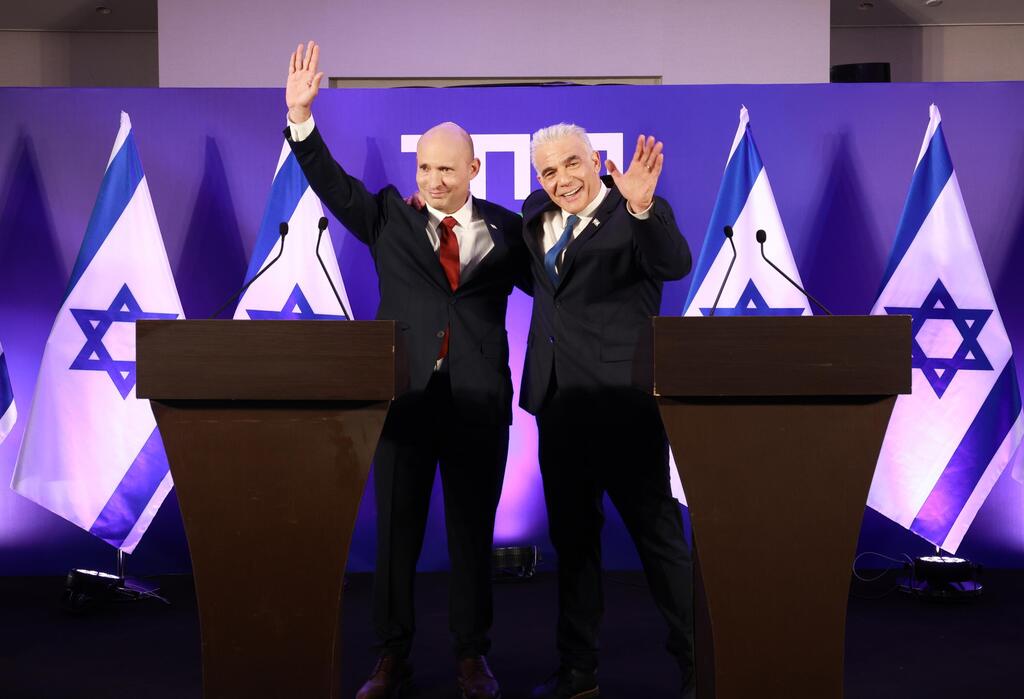
The first is why now, at such an early stage, exactly six months before the elections, assuming they are not moved up, when political wear and tear could work against them.
The second is how Bennett, after repeatedly arguing that victory would come from the right, is now joining forces with a center-left candidate, a move that could push away potential voters who had considered leaving Likud.
Even after the news conference, both questions remained unanswered and are expected to pose major challenges.
Since returning to political life, Bennett understood that his biggest challenge was softening opposition on the right. After forming the change government together with Mansour Abbas and breaking a pledge that later led Lapid to the premiership, even as head of a caretaker government, Bennett already had limited credit with right-wing voters. That credit has now narrowed further, and Bennett is changing direction.
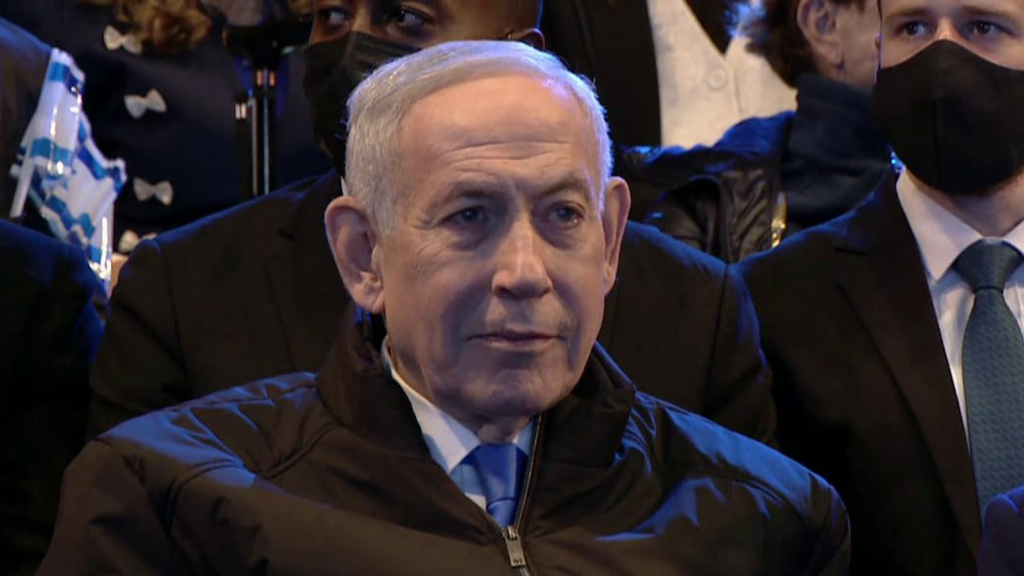
Netanyahu
(Photo: GPO)
His broader plan is to produce the first poll showing him larger than Prime Minister Benjamin Netanyahu. He believes that would create momentum in his favor and give him a more comfortable position internationally, including with the U.S. administration. But it is far from certain that the move will be simple, or that the alliance will deliver the result he wants.
Bennett’s secondary goal is to force Gadi Eisenkot to come to him. But here, too, the move clashes with what he had previously sought. Bennett had repeatedly stressed the importance of Eisenkot joining willingly, feeling like a partner rather than someone dragged along. The alliance may bring Eisenkot in, but possibly with a bitter aftertaste that will be difficult to erase.
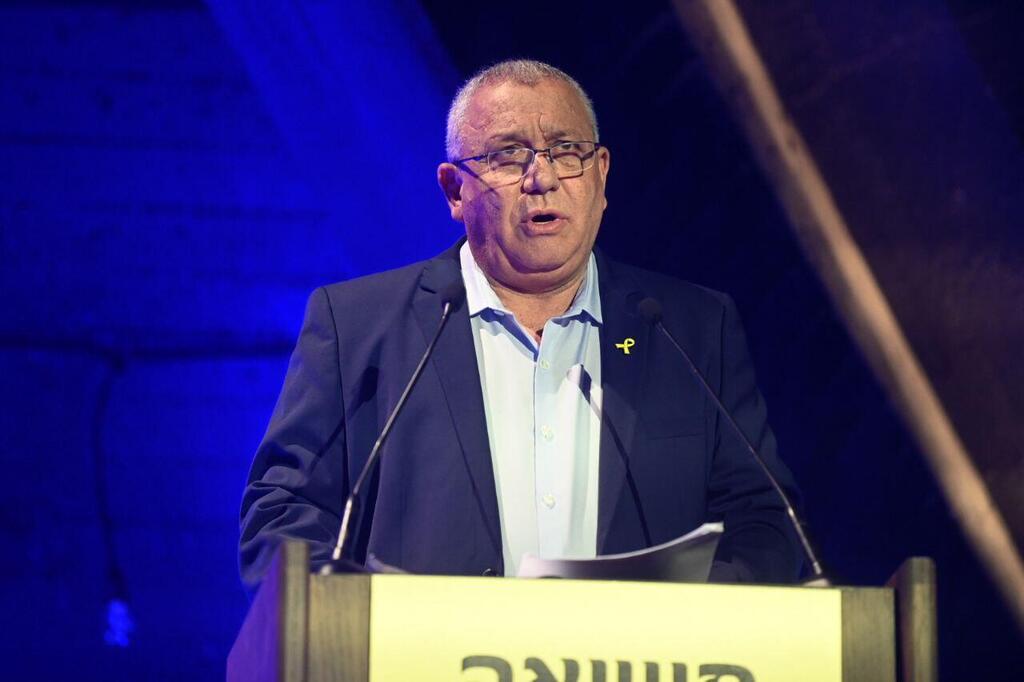
Eisenkot
(Photo: Yair Sagi)
Bennett may yet succeed in positioning his party as the largest, and Eisenkot may eventually join him. But the road ahead is full of sharp turns and includes one fallback plan: If the political partnership fails despite the good atmosphere and friendly relations between Bennett and Lapid, they can split in the Knesset into two separate factions and preserve the original party framework, as if the merger never happened.