


U.S. Central Command is hosting a closed‑door meeting Tuesday in Doha with representatives from about 45 Arab, Muslim and Western countries to lay the groundwork for an international stabilization force in Gaza. Israel was not invited and is not taking part in the discussions.
The United States has been working intensely behind the scenes in recent weeks, viewing the creation of the force as a critical moment for shaping Gaza’s future. But while several countries have expressed support, few have shown willingness to send troops. Most have offered economic assistance, training, and logistical aid rather than military deployments.
Trump on Gaza ceasefire's next phase
(Video: X)


The Doha meeting is expected to focus on the operational blueprint for the proposed force — including rules of engagement, whether troops would be armed and with what weapons, where they would be stationed and trained, and what authority they would have on the ground. A key question remains whether any country is prepared to commit troops amid concerns over possible confrontations with Hamas, the Palestinian terror group, or accidental clashes with Israeli forces.
Despite not participating, Israel is closely monitoring developments. While the meeting’s location in Qatar is viewed in Jerusalem as a diplomatic setback — given Israel’s deep opposition to Qatari involvement — the exclusion of Turkey from the gathering is being seen as a partial diplomatic success. Turkey was left out following firm Israeli objections, though officials say Ankara’s future participation has not been ruled out.
Turkey has already stated publicly that it is ready to send thousands of soldiers to Gaza. Israel, however, has drawn a red line on the matter, insisting that Turkish forces must not be part of the international force. Washington, while aware of Israel’s position, has yet to take a firm stance and may address the issue during a scheduled meeting between Prime Minister Benjamin Netanyahu and President Donald Trump later this month.
Meanwhile, reports that Turkey is pressuring other countries to avoid participation — allegedly to increase the likelihood of being called in — have not been denied. Turkish officials are said to be lobbying nations such as Azerbaijan to stay out of the force.
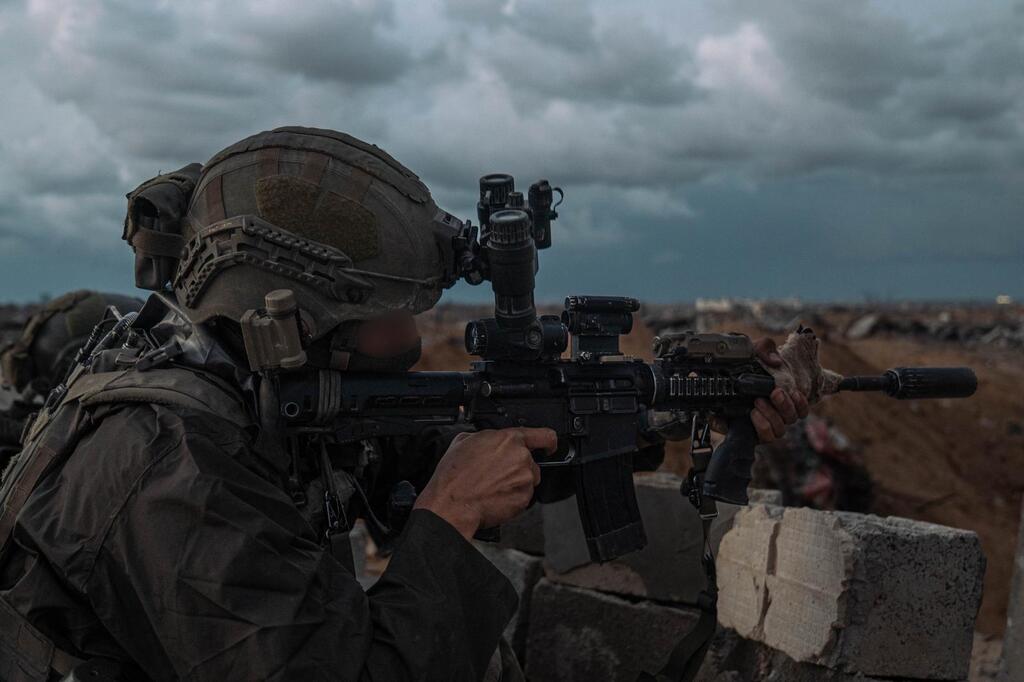
IDF forces in Rafah
(Photo: IDF)
Countries that are expected to take part include Indonesia, which has signaled readiness to send troops, and Italy, which may be the only European country to contribute forces. Others are likely to support the mission through funding or training.
While an exact deployment date has not been finalized, U.S. officials have indicated that the force could begin forming as early as January, with initial stages likely to involve training in a third country in the region.
Current plans suggest the force would first be stationed around Rafah, in a zone inside the so-called yellow line — an area still under Israeli control. That positioning is viewed as a show of presence rather than a direct challenge to Hamas. The American plan is focused on medium- and long-term stabilization and envisions multiple stages, potentially including the force entering deeper into Gaza or assuming control over areas from which Israel might eventually withdraw.
Such steps would only happen if Israel is confident that the force has real military capabilities and can confront Hamas if necessary. The United States wants an American general to lead the International Stabilization Force, with retired Gen. Jasper Jeffries — who previously headed the ceasefire oversight committee in Lebanon — emerging as the leading candidate.