

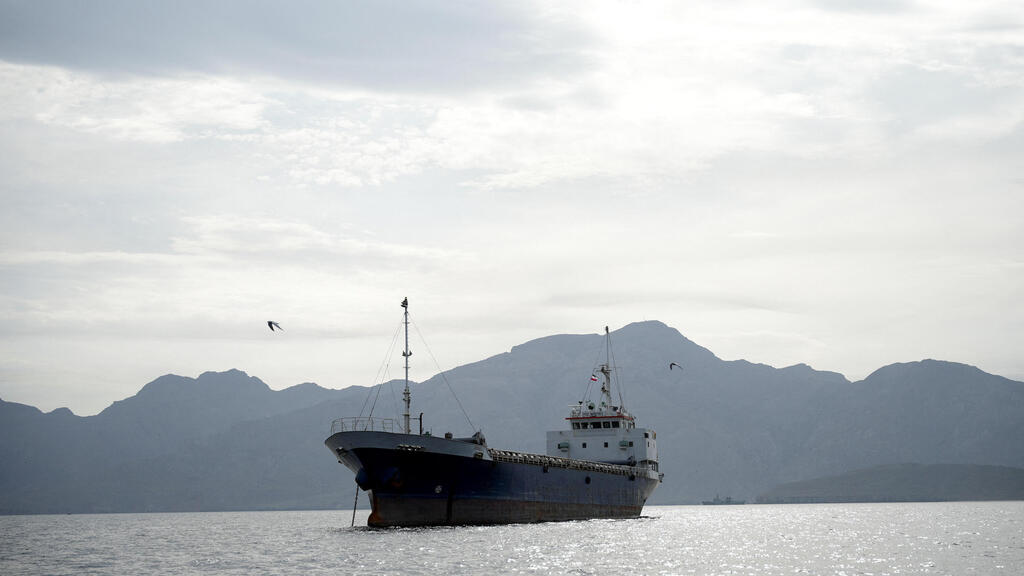
Iran’s armed forces on Monday condemned U.S. restrictions on shipping in the Strait of Hormuz as illegal and “amounting to piracy,” warning they would enforce control over the strategic waterway if the measures proceed.
A military spokesperson said Iran would implement a “permanent mechanism” to control the strait and warned that if Iranian ports are threatened, no port in the Gulf or Gulf of Oman would remain secure.
The remarks came after U.S. President Donald Trump said the blockade would begin Monday at 10 a.m. ET, following the collapse of weekend talks between Washington and Tehran.
U.S. Central Command later clarified that the blockade would apply only to vessels traveling to or from Iranian ports, and not to general shipping passing through the strait.
The move could remove a significant volume of oil from global markets. Iran exported about 1.84 million barrels per day in March and roughly 1.71 million barrels per day so far in April, according to shipping data. Analysts say blocking those shipments would tighten global supply.
At the same time, large volumes of Iranian oil remain stored at sea, with more than 180 million barrels held on tankers, potentially cushioning immediate supply disruptions.
Shipping through the Strait of Hormuz — a key route for about 20% of global oil and gas exports — has already been severely reduced since the start of the conflict. Many tankers have avoided the area, though some vessels have recently resumed limited movement following a temporary ceasefire.
International reaction to the U.S. move has been cautious.
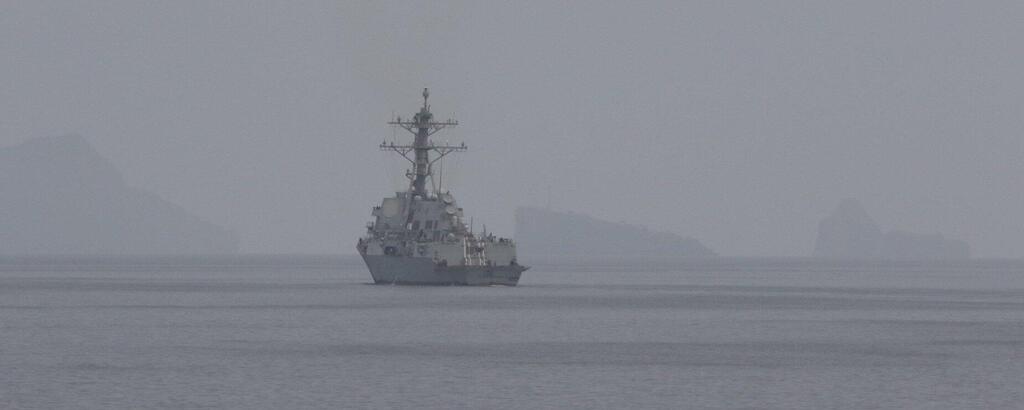
An American warship
(Photo: CENTCOM)
China called for calm and restraint, saying stability in the strait is in the shared interest of the global community and signaling readiness to work with all sides to ensure energy security.
Britain said it would not support a blockade. Prime Minister Keir Starmer said reopening the strait was a priority and that the country would not be drawn into the conflict.
Turkey’s foreign minister, Hakan Fidan, said both the United States and Iran appear serious about reaching a ceasefire but warned that a breakdown in talks — particularly over uranium enrichment — could disrupt global supply chains if the strait is closed.
Germany’s economy ministry warned the conflict could weigh on Europe’s largest economy through the rest of 2026, citing risks of sustained high energy prices, supply disruptions and broader economic strain even in the event of a resolution.
Analysts say the situation remains highly volatile, with risks including potential attacks on shipping or energy infrastructure in the Gulf, as well as broader economic fallout if the conflict escalates further.