


The IDF issued an apology on Friday to the Lebanese army after two of its soldiers were killed and two others wounded in an explosion linked to an Israeli drone in southern Lebanon.
Lt. Col. Avichay Adraee, the military’s Arabic-language spokesperson, said the incident is under investigation and expressed “regret over the harm caused to Lebanese army personnel.” He stressed that the attack had targeted Hezbollah infrastructure and not the Lebanese military.
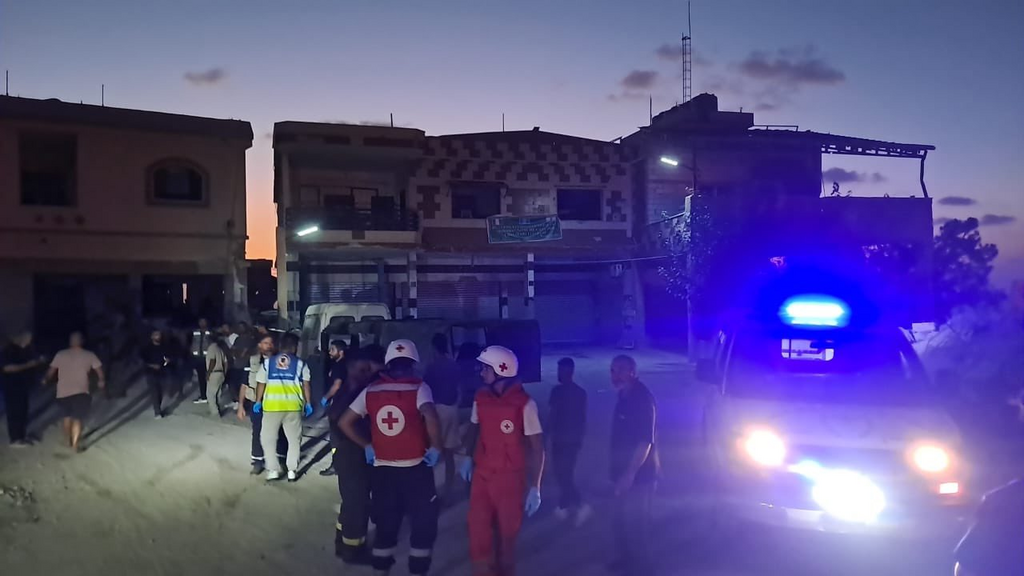
Adraee said Israeli forces struck an engineering vehicle near the southern Lebanese town of Naqoura that was allegedly involved in restoring Hezbollah positions in violation of understandings between the two countries. During the strike, a technical malfunction caused the munition to fall to the ground without detonating. Later reports suggested that Lebanese soldiers may have been injured by the subsequent explosion of the Israeli ordnance.
The incident occurred Thursday afternoon. According to the Lebanese army, a team approached the remnants of the downed Israeli drone when it exploded, killing a Lebanese officer and another soldier and injuring two more.
The deadly incident comes amid increasing tension over Hezbollah’s role in southern Lebanon. The U.S. recently announced that Lebanon would submit a proposal by August 31 aimed at persuading Hezbollah to disarm. On Friday, sources quoted in the Hezbollah-aligned Lebanese daily Al-Akhbar said Lebanese army chief Gen. Rodolphe Haykal was “shocked” by the American delegation’s pressure and conveyed that he would rather resign than lead a military operation that results in Lebanese blood being spilled.
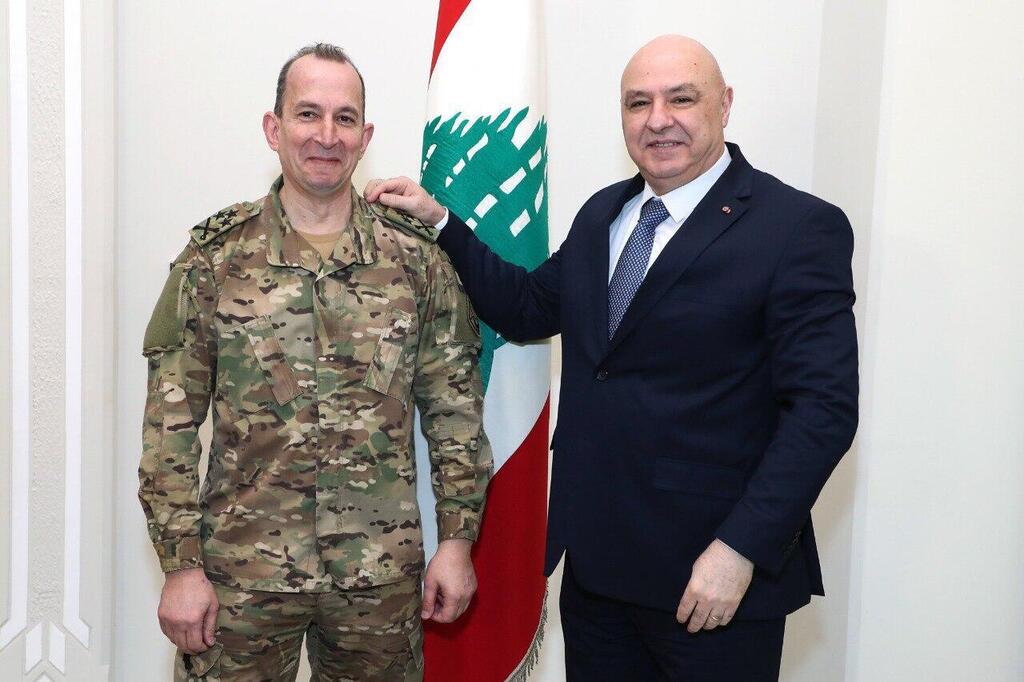
Lebanese army chief Gen. Rodolphe Haykal and Lebanese President Joseph Aoun
According to the report, the Lebanese army leadership has refused to draft an actionable plan for disarmament, citing lack of agreement from Israel and Syria. A Tuesday meeting on the issue may conclude with a formal freeze on Lebanon’s commitment to the disarmament plan, although Prime Minister Nawaf Salam is said to be pushing to proceed.
The report also claimed the U.S., recognizing the Lebanese army’s limited capacity to enforce disarmament, proposed providing intelligence support, including possible Israeli intelligence and drone assistance—an idea reportedly viewed as highly sensitive.
Later Friday, the Lebanese army denied reports that it would refuse to enforce a weapons embargo. “The army command affirms that it carries out its duties with the highest levels of responsibility and professionalism, in accordance with political decisions and in full commitment to national security and stability,” it said in a statement, urging media outlets to rely on official statements for information.
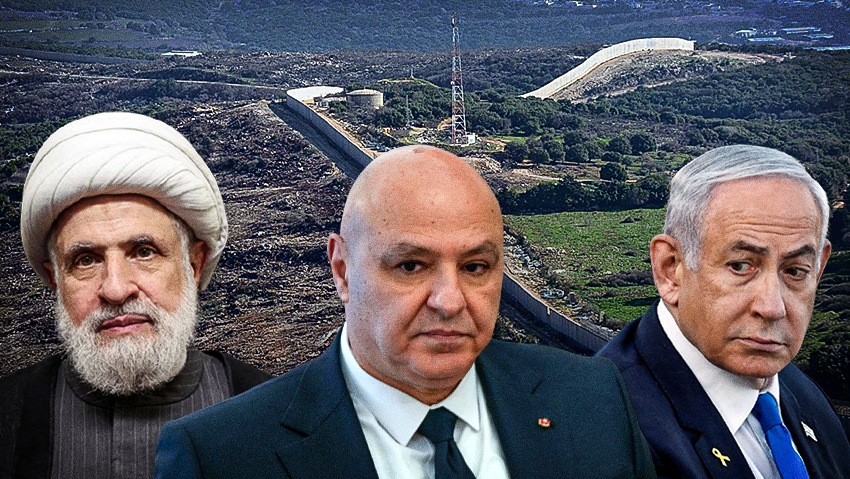
Hezbollah leader Naim Qassem, Lebanese President Joseph Aoun, Prime Minister Benjamin Netanyahu
(Photo: Petros Karadjias/Pool via REUTERS, REUTERS/Amir Cohen, Yossi Meir)
Meanwhile, the UN Security Council on Thursday approved a final one-year extension for the UN peacekeeping mission in southern Lebanon, known as UNIFIL. Backed by Israel and the United States, the resolution calls for the mission—deployed since 1978—to withdraw by 2027 and transfer full responsibility to the Lebanese army, including advancing efforts to disarm Hezbollah.
The Foreign Ministry welcomed the decision, calling UNIFIL “a complete failure” and stating that Lebanon now has “a historic opportunity to assert its sovereignty.”