

The IDF will present for the first time, on Wednesday and Thursday, its investigation into the massacre at the Nova music festival to the families of the victims and survivors. Bereaved families invited to the meeting are arriving with mixed emotions—a desire for closure alongside deep anxiety that, once again, the voices of the victims, survivors and their families will not be heard.
Omri Rahum's sister, Nitzan, his brother-in-law, Lidor Levi, and his uncle, Avi Sassi were all killed on October 7. All three were murdered in shelters along the escape routes of the festival attendees: Nitzan and Lidor were killed in the shelter at Re’im Junction, where they were with Aner Shapira, Hersh Goldberg-Polin, and 14 others. Avi Sassi—a hero who sacrificed his life to save others—was killed in the shelter at Be’eri Junction after he spotted a grenade approaching and jumped on it to protect his daughter Danielle, his son-in-law Maor, his niece Lee, and everyone else present.
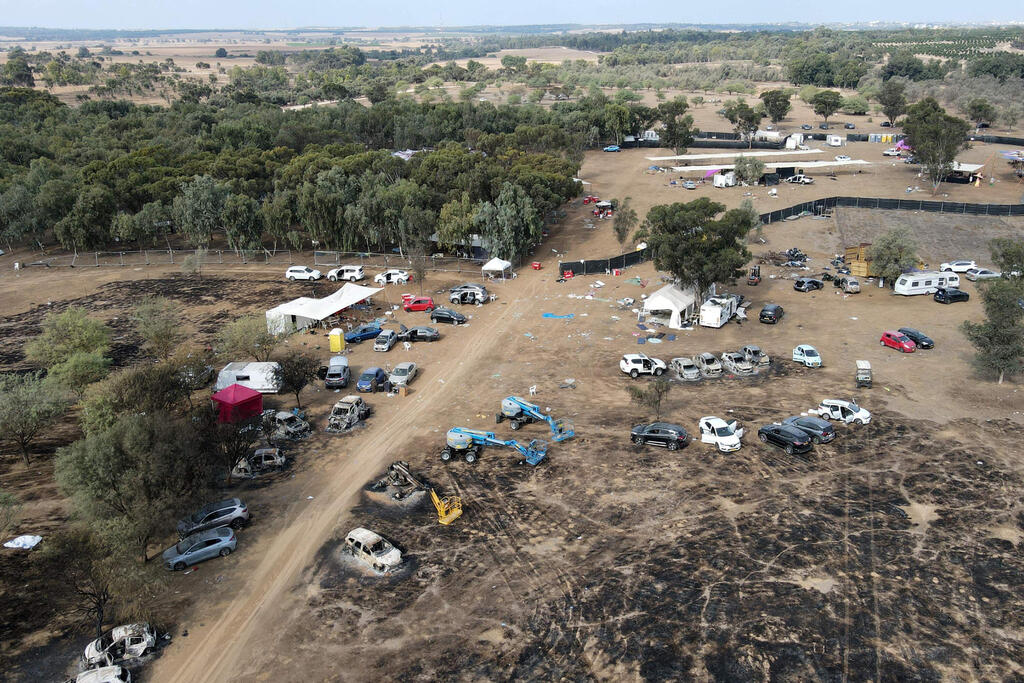
“Since October 7 we’ve been conducting our own investigations,” Rahum said. “We tried to figure out where Nitzan and my uncles were, and that’s how we learned what happened to them. Now that we’ve been summoned to hear the findings, our feelings are very mixed. This isn’t really closure because we won’t get Nitzan back, and we won’t get answers to everything.”
Rahum acknowledges that the IDF, which he sees as directly responsible for what happened, was the only body to provide an investigative response. “The army is the only entity to investigate the incident. The police haven’t even started an inquiry, and neither has the government. We know this investigation is just the beginning—lessons learned. But it’s important to understand: 207 of the Nova victims were murdered along the escape routes and in the shelters. They won’t be part of this investigation.”
Sharon Graziani, the mother of Maor, who was murdered at the entrance to Be’eri, is also anxiously awaiting the day of the investigation's presentation. “I can’t sleep ahead of this investigation,” she shared. “A happy, healthy, joyful child went to a party—and never came back. They stole my life and my soul.”
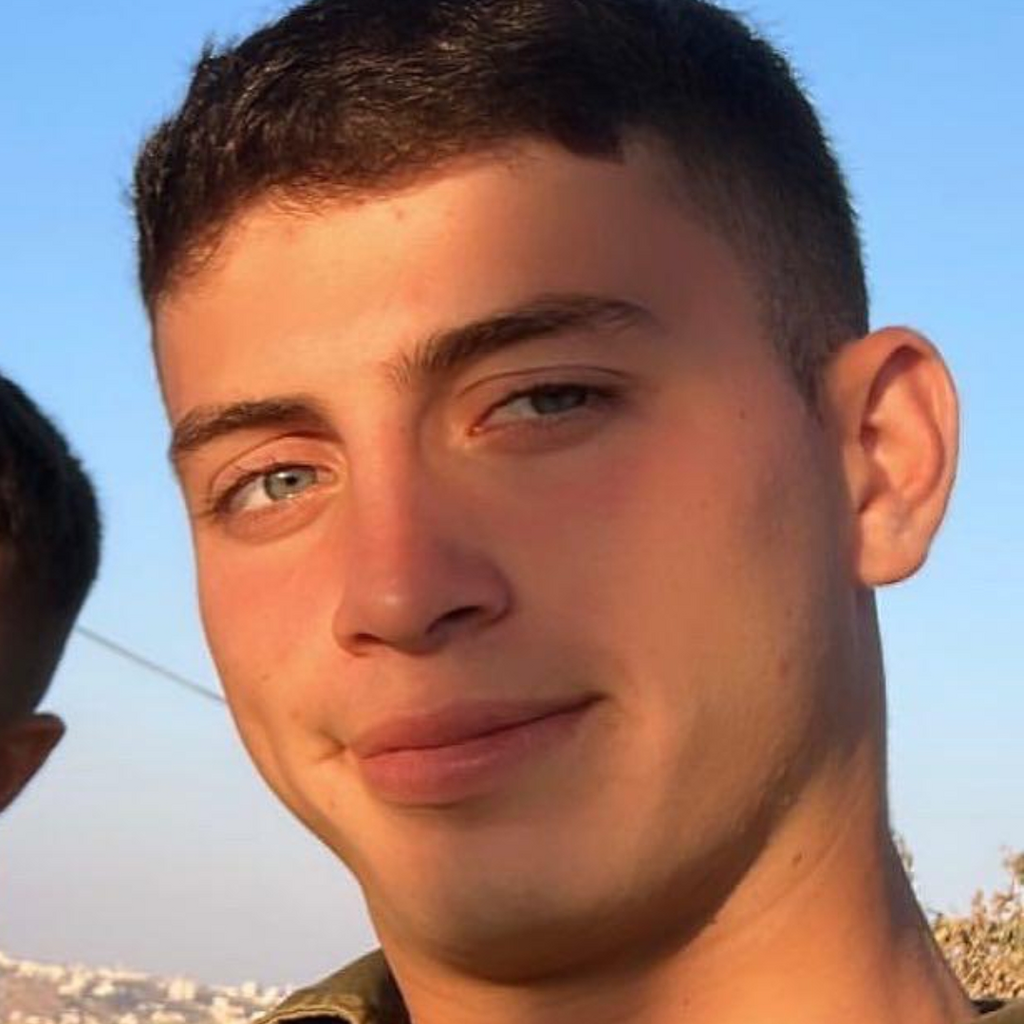
Maor Graziani
Maor had recently been discharged from the Givati Brigade. On the morning of October 7 as he and his friends tried to escape they were shot by terrorists. “He called me and told me he was entering a shelter—and then the call disconnected. At 6:58 a.m., he was killed. His body remained at the entrance to Be’eri from Saturday until Wednesday. We found out he was murdered through a TikTok video posted by the terrorists. I lost my mind. Four days without knowing what happened. I smoked 14 packs of cigarettes—and I don’t even smoke.”
During the mourning period, a ZAKA representative came to her and apologized for not removing the body in time. “It’s terrifying, a horrible trauma. Worse than the funeral. It’s a sense of helplessness,” she said. Graziani struggles to believe that, despite her son serving as a soldier and even being called up for reserves on the day of the massacre, the army did not contact the family, update them or try to explain. “He could have been injured. Why didn’t anyone try to check? Why weren’t there any soldiers at the entrance to Be’eri?” she wondered.
Now, just before the investigation, she said, “I don’t know if I’ll be able to hold back from lashing out. But I need answers so that our children won’t go through another October 7. I no longer trust this country. I’m the most anxious mom there is—and I never believed this could happen to me.”
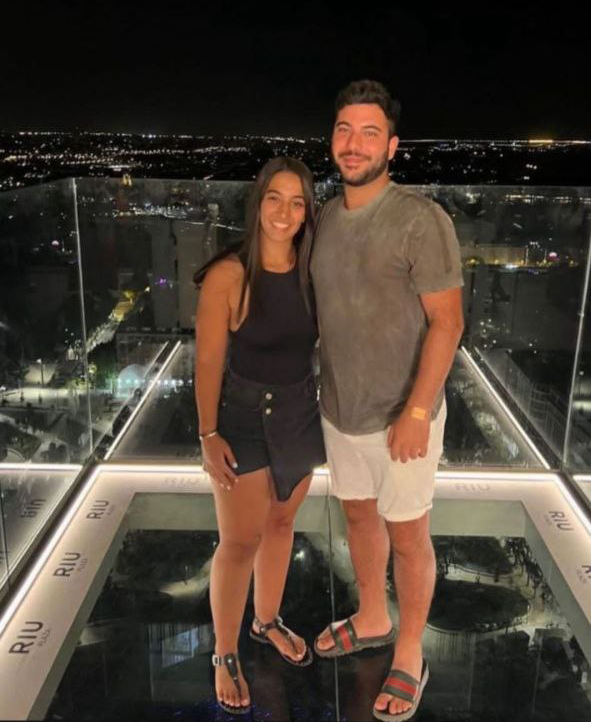
Nitzan Rahum and Lidor Levi
Meanwhile, Rahum’s grief sharpens as he describes the double loss: “Nitzan was pregnant, in her fourth month. Just a week earlier, we had started to tell people she was having a boy. For us, four were murdered, not three. The state doesn’t recognize this.”
He described the upcoming meeting with the army as “very intense”: “Finally, we’ll get official answers. This is our first meeting with the army and only the second official encounter with any state authority. The first was with Lahav 433.”
Get the Ynetnews app on your smartphone: Google Play: https://bit.ly/4eJ37pE | Apple App Store: https://bit.ly/3ZL7iNv
Rahum also criticized the state’s response to the failure. “We were promised that a dedicated administration would be established, but to this day, nothing has happened," he said. "We, the bereaved siblings and adult orphans, are invisible. No one sees us. We have recordings of Nitzan’s last moments, where she’s crying and begging for help. And when a former police commissioner says they didn’t follow instructions—it’s humiliating. Nitzan followed the instructions. And she was murdered.”
Yoram Yehudai, the father of Ron, who was murdered in a trash container at Nova, is awaiting the presentation of the investigation with a heavy heart. “I don’t know what happened the night before, and I hope we’ll hear about it. I’m mostly interested in who knew, what they knew, and when. From the moment the terrorists infiltrated—why didn’t any force arrive at Nova?”
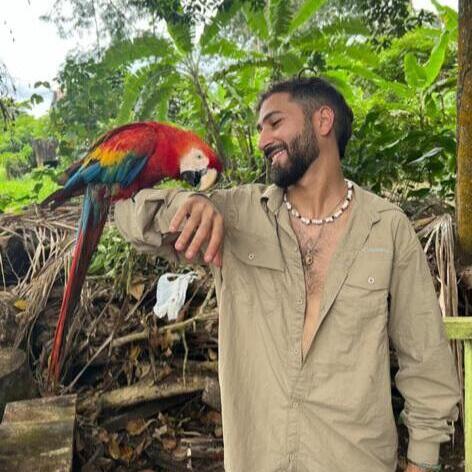
Ron Yehudai
Ron was murdered at 11:47 a.m., long after the infiltration began. “That’s what drives me crazy,” his father shared. “There were almost five hours to reach him. He managed to protect himself during the first wave of gunfire, but then a terrorist entered the container and shot him and eight others. Altogether, there were 16 people there, crying for help for hours. The IDF isn’t lacking resources—when the systems want to, they know how to be creative.”
Yehudai emphasized that the investigation is just one step in the public struggle. “I’m a member of the October Council. We’re demanding a state commission of inquiry. This investigation is just for the army. It doesn’t examine civilian elements or the cooperation with the police. We’re moving forward,” he asserted.