

Israel and Lebanon are set to hold their first meeting Tuesday as part of negotiations toward a peace agreement. The meeting will take place at the U.S. State Department during nighttime hours in Israel, in the afternoon in Washington.
Israel will be represented by its ambassador to the United States, Yechiel Leiter, while Lebanon will be represented by its ambassador to Washington, Nada Hamadeh Moawad. Two U.S. officials are also expected to attend: U.S. Ambassador to Lebanon Michel Issa and Mike Needham of the State Department. A joint statement by the two ambassadors is expected after the meeting, though no additional meetings have yet been scheduled for this week.
Gallery
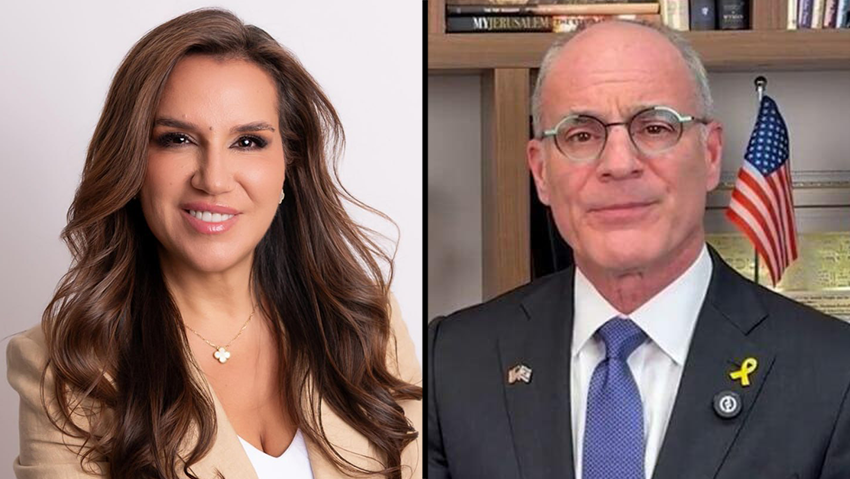
Israel’s and Lebanon’s ambassadors to the US, Yechiel Leiter and Nada Hamadeh Moawad
(Photo: via Facebook)
Even before the talks began, Israeli officials said the negotiations in Washington would have no impact on the fighting in Lebanon. Israel’s approach, they said, is to conduct negotiations with Lebanon as if Hezbollah does not exist, while continuing military operations against Hezbollah as if there were no peace talks.
Among Lebanon’s Shiite population, many have grown weary of Hezbollah’s dominance, according to Israeli assessments. Israeli officials believe that Lebanese citizens will come to understand that Israel has no territorial claims and seeks peace, a dynamic they hope will weaken and isolate Hezbollah and potentially strengthen democratic forces in Lebanon. Alongside the diplomatic track, Israel plans to continue efforts to counter Hezbollah.
In the meantime, Israel has agreed to scale back its strikes in Lebanon and adjust them to accommodate the negotiations. In Beirut, Israel has refrained from carrying out attacks, and the military has been instructed that any strike must receive political approval to avoid mistakes. In southern Lebanon, however, Israel continues to operate forcefully against Hezbollah. Officials familiar with the matter said Israel will coordinate with the United States on how to “clear” areas of Hezbollah control, removing threats to Israel.
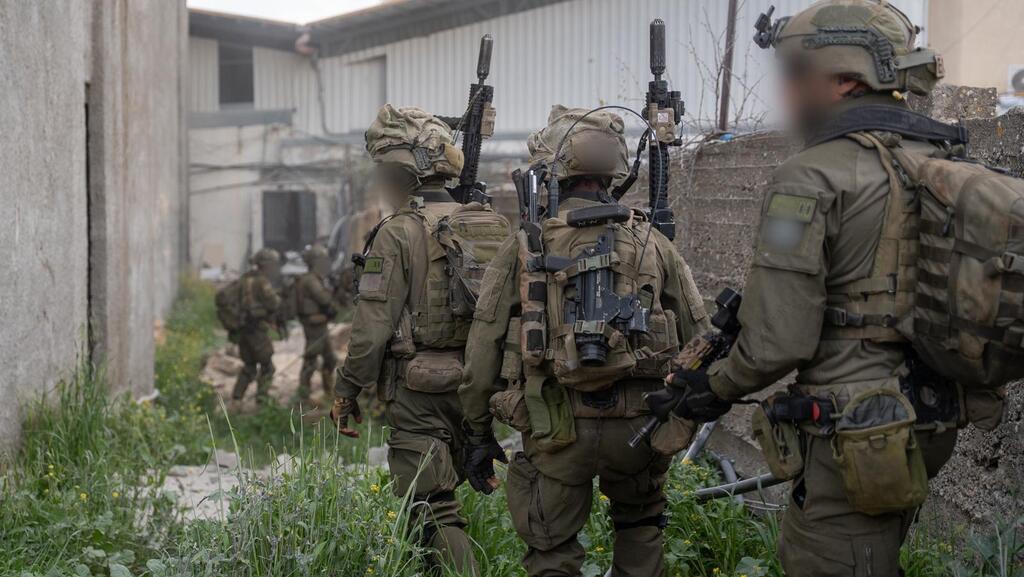
IDF forces in southern Lebanon
(Photo: IDF Spokesperson)
For now, Israeli officials are not placing high expectations on the talks, acknowledging that the Lebanese government — which they say was unable even to expel Iran’s ambassador from Beirut after declaring him persona non grata — is unlikely to be capable of disarming Hezbollah, and may not be willing to do so.
In that sense, Israel views itself as doing the “hard work” for Lebanon by creating what it describes as a viable alternative for advancing a peace agreement. There is already growing public support in Lebanon for such a deal, according to Israeli officials, with many increasingly seeing Iran and its proxy Hezbollah — rather than Israel — as the primary source of the problem.

Hezbollah Secretary-General Naim Qassem
Against this backdrop, Hezbollah Secretary-General Naim Qassem delivered a speech Tuesday evening, saying the goals of what he described as Israeli aggression were clear: to pave the way for a “Greater Israel,” with all of Lebanon as a target. He rejected the talks between the countries, calling negotiations with Israel “a series of unnecessary concessions.”
He also issued a threat, saying the group had quietly prepared itself and uses all means of resistance, and that when the opportunity arises, it would kidnap enemy soldiers. Qassem added that the Lebanese army is not capable of fighting its own citizens, and warned that if what he described as aggression continues, Hezbollah will confront it and will not surrender, vowing to fight “until our last breath.”
He concluded with a reference to U.S.-Iran talks, saying some in Lebanon had been disturbed by the country’s inclusion in ceasefire discussions. Lebanon, he said, should cooperate with Iran and with any countries that can help, and its authorities should reconsider their stance toward Iran and its ambassador in Beirut.