


Amid a reduction in Israeli strikes against Hezbollah and the encirclement of Bint Jbeil — the group’s last stronghold south of the Litani River — a historic round of negotiations between Israel and Lebanon is set to begin Tuesday at the US State Department.
Israel’s approach is to conduct negotiations with Lebanon as if Hezbollah does not exist, while continuing military operations against the group as if no peace talks are underway.
Both Jerusalem and Beirut are interested in a peace agreement, including among many Shiites in Lebanon who have grown weary of Hezbollah’s dominance. Such an agreement is intended to weaken the group by clarifying that Israel has no territorial claims and seeks peace, potentially strengthening the Lebanese government’s ability to confront Hezbollah.
There is currently no ceasefire in Lebanon, but Israel has agreed to scale back strikes in line with the negotiations. The military has avoided targeting Beirut, and any strike now requires political approval to prevent mistakes. At the same time, Israeli forces continue to operate forcefully against Hezbollah, surrounding dozens of terrorists in Bint Jbeil.
Officials familiar with the details said Israel will coordinate with the United States on how to “clear” areas of Hezbollah control, removing the threat step by step.
At the talks in Washington, Israel will be represented solely by its ambassador, Yechiel Leiter, with no National Security Council officials expected to attend. Lebanon will be represented by its ambassador to the United States, Nada Hamadeh Moawad, and not by former envoys as previously reported. The US delegation will include Ambassador to Lebanon Michel Issa and State Department official Mike Needham.
Israel is not placing high expectations on the talks and believes the Lebanese government — which was unable even to expel Iran’s ambassador after declaring him persona non grata — will not be capable of disarming Hezbollah and has little desire to do so. In that sense, Israel is doing the difficult work for Lebanon, while also creating a viable alternative for Beirut to pursue a peace agreement. Public support for such a deal is growing in Lebanon, with many viewing Iran and its proxy Hezbollah, rather than Israel, as the main adversary.
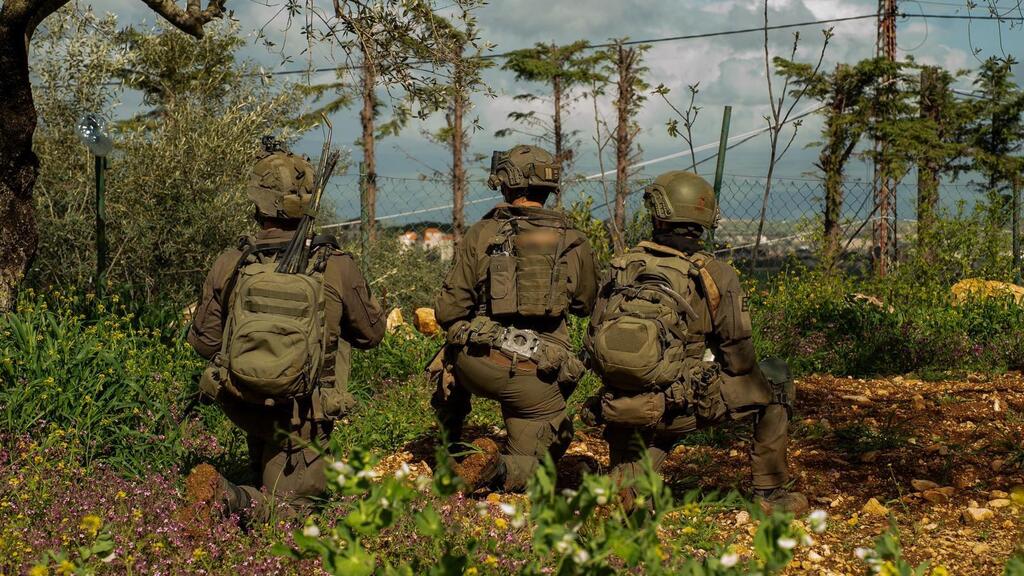
Givati Brigade forces operating in Lebanon
(Photo: IDF Spokesperson’s Unit)
This marks the first time since the 1980s that Israel and Lebanon have held open political negotiations aimed at a peace agreement. The last such accord, signed in May 1983 to end the state of war, never took effect due to a veto by then-Syrian President Hafez Assad.
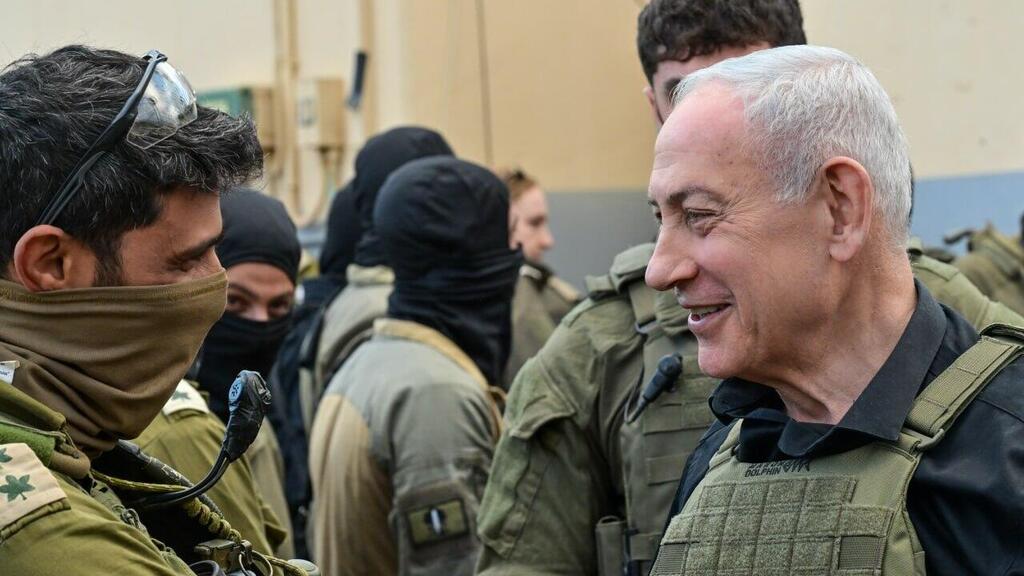
Earlier Monday, Prime Minister Benjamin Netanyahu said during a visit to southern Lebanon that “the war continues, including within the security zone.” He added: “Our enemies — Iran and the axis of evil — came to destroy us, and now they are fighting for their survival.” Netanyahu said Israel had thwarted the threat of an invasion from Lebanon, reduced anti-tank fire and addressed high-trajectory threats, adding that “there is still more to be done — and we are doing it.”