

Russian Ambassador to the UN Vasily Nebenzya said Tuesday that Moscow had information Ukraine planned to launch military drones from Latvia and other Baltic states, warning that NATO membership would not protect them from retaliation.
Speaking at a UN Security Council meeting on Ukraine, Nebenzya claimed Kyiv had already dispatched drone units to Latvia and said Russian intelligence could identify the launch sites.
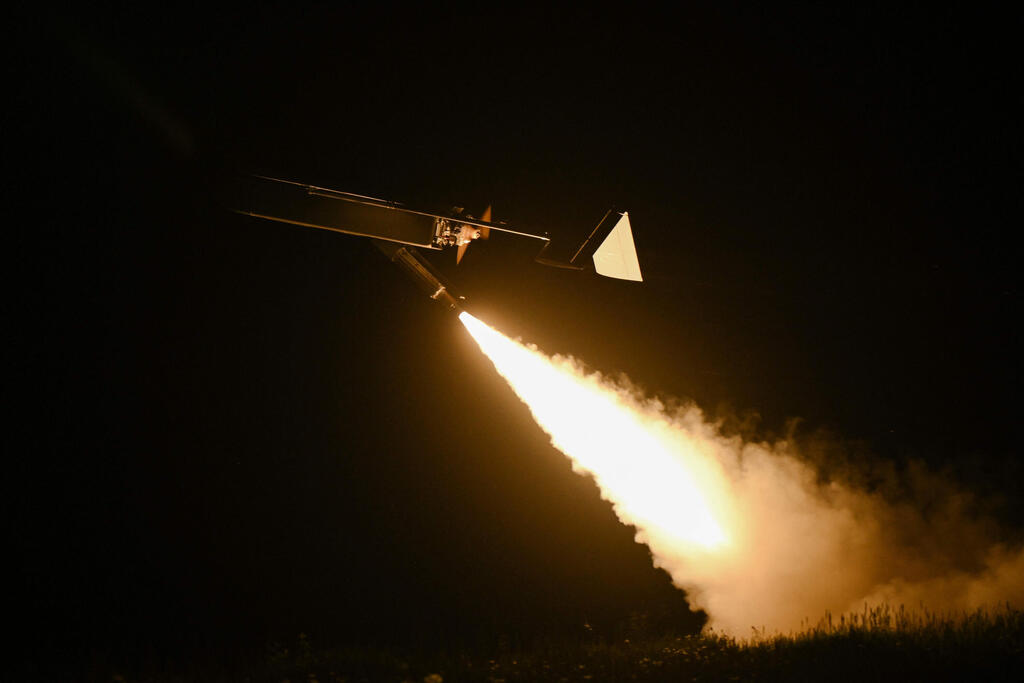
"The foreign intelligence of Russia did say that the coordinates of decision-making centers in Latvia are well known, and membership in NATO will not protect you from retaliation, even if you are a member of NATO," Nebenzya said, speaking through an interpreter.
Latvia's envoy to the Security Council, Sanita Pavluta-Deslandes, immediately rejected the remarks as "pure fiction."
Tammy Bruce, the deputy U.S. ambassador to the UN, warned that the UN was "no place for threats against a council member" and said the U.S. would keep all its NATO commitments.
Bruce did not elaborate. NATO membership is based on collective defense, with Article 5 of the treaty saying that an armed attack against one NATO member shall be considered an attack against them all.
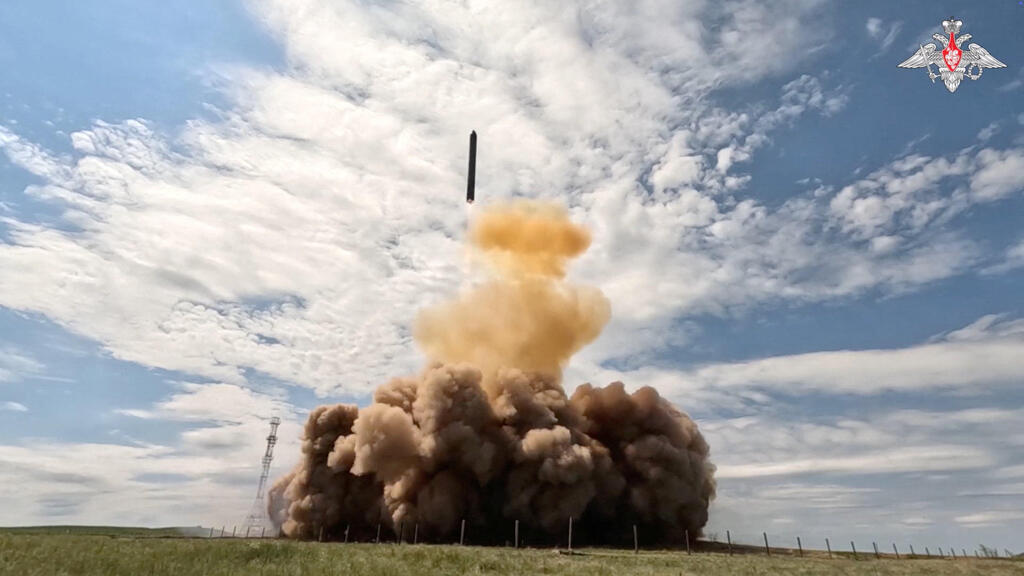
Test launch of Sarmat "Satan 2" intercontinental ballistic missile by Russia May 12
(Photo: Russian Defence Ministry/Handout via REUTERS)
Ukraine's envoy to the UN, Andriy Melnyk, also rejected Russia's claims, calling them "fairy tales" and noting that Russian attacks against Ukrainian civilians had made the first half of May one of the deadliest periods since the start of the full-scale Russian invasion in February 2022.
The Russian ambassador was speaking after Ukraine blamed Russia on Tuesday for redirecting one of its drones into Estonian airspace where a NATO jet shot it down, the latest cross-border drone incident that has caused a political uproar in the Baltic states.
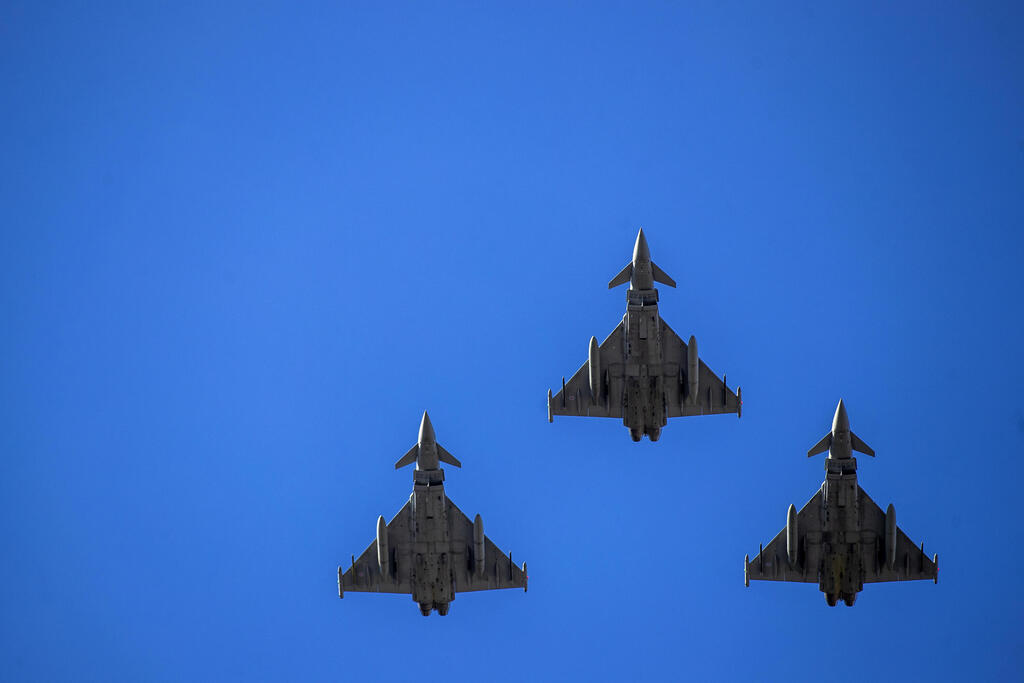
NATO's exercise in Europe
(Photo: AP)
Latvia issued a first air threat alert over a possible drone entering its airspace on Tuesday, telling residents near the Russian border to stay indoors, with NATO Baltic Air Police jets summoned to the area. It later said it found no evidence that a drone had entered its airspace.
It declared a second air threat alert after that, over two counties bordering Russia, leading to a fresh deployment of NATO fighter jets.
A Ukrainian Foreign Ministry spokesperson apologized to Estonia for the incident and insisted that Ukraine was not using Latvian or Estonian territory to launch drone attacks on Russia, which the Baltic countries echoed.
The developments come as tensions also rise within NATO itself, with US President Donald Trump warning in recent months that alliance members could face consequences for insufficient burden-sharing. His administration has also moved to reduce US troop deployments in Europe, including planned cuts affecting forces in Germany and Poland, prompting concern among some European allies about long-term US commitment to the continent’s defense.
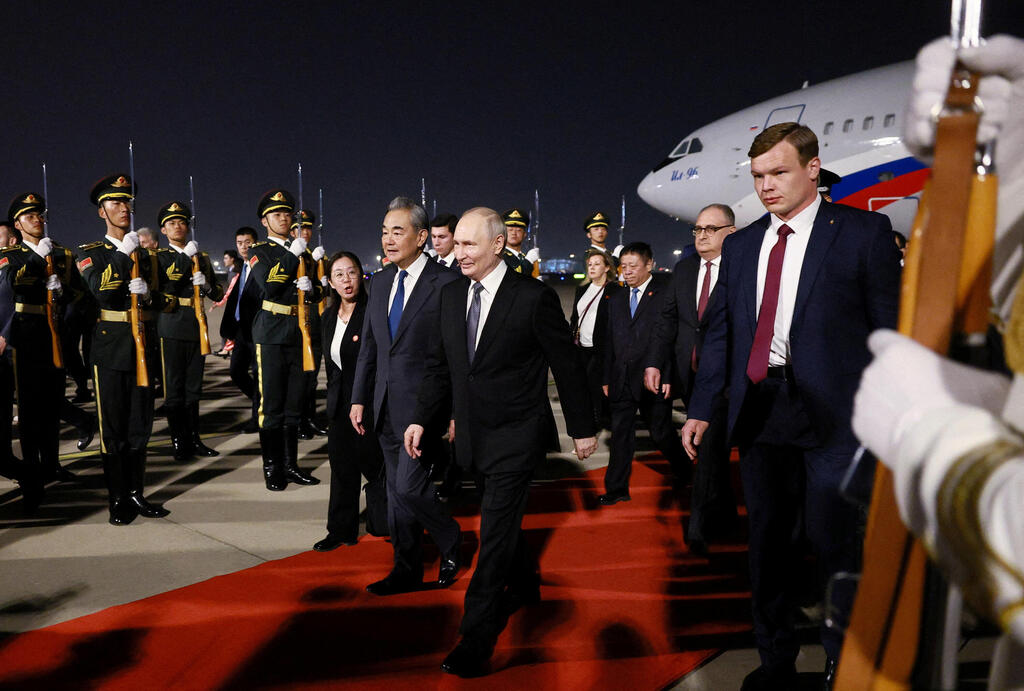
Russian President Putin lands in Beijing, China
(Photo: Sputnik/Vladimir Smirnov/Pool via REUTERS)
Against this backdrop, Putin’s visit to Beijing underscored deepening strategic alignment between Russia and China. According to the Kremlin, the two leaders were set to discuss strengthening bilateral ties and exchanging views on key international and regional issues. One major topic is expected to be the planned “Power of Siberia 2” gas pipeline project, which would transport Russian gas to China via Mongolia as Moscow seeks to offset reduced energy exports to Europe.
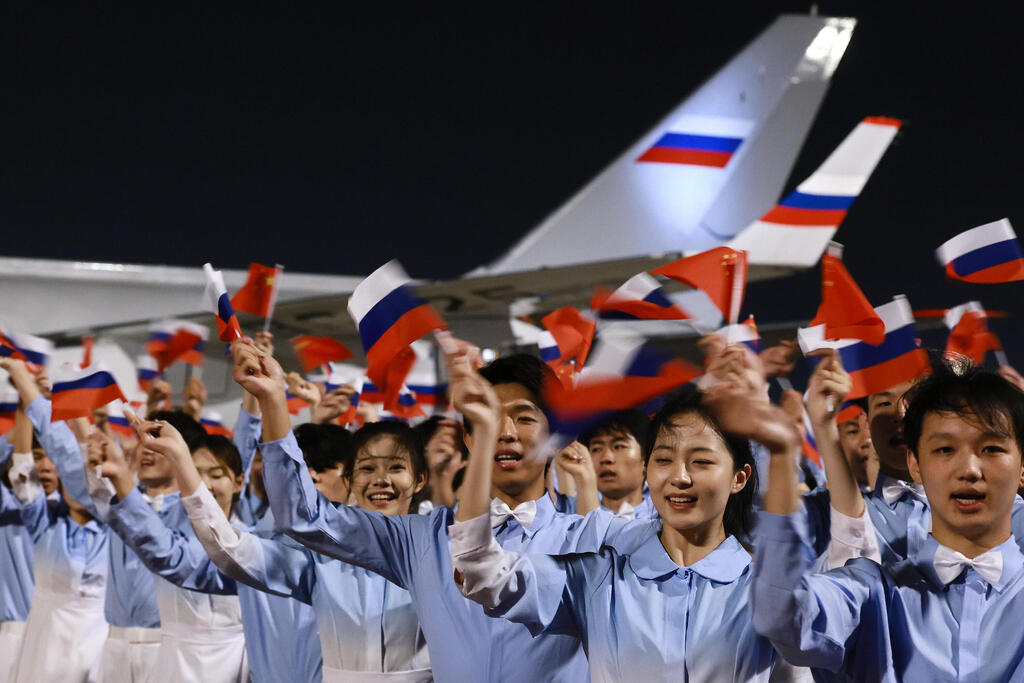
Russian President Putin lands in Beijing, China
(Photo: Vladimir Smirnov, Sputnik, Kremlin Pool Photo via AP)
Chinese state media and Western reporting ahead of the visit also highlighted broader geopolitical messaging, including China’s positioning between Moscow and Washington. Russia, meanwhile, has increasingly relied on Beijing for economic support since the start of the war in Ukraine, as Western sanctions have cut it off from much of the global financial system while China continues to purchase Russian energy and maintain trade ties.