

Nearly three years into a multi-front war, the IDF says it is confronting an unprecedented shortage of officers and combat commanders as heavy casualties, battlefield injuries and the expansion of ground operations strain its ranks.
Senior defense officials say the IDF is responding by dramatically expanding officer training and creating new units, arguing that growing the army begins with training more commanders.
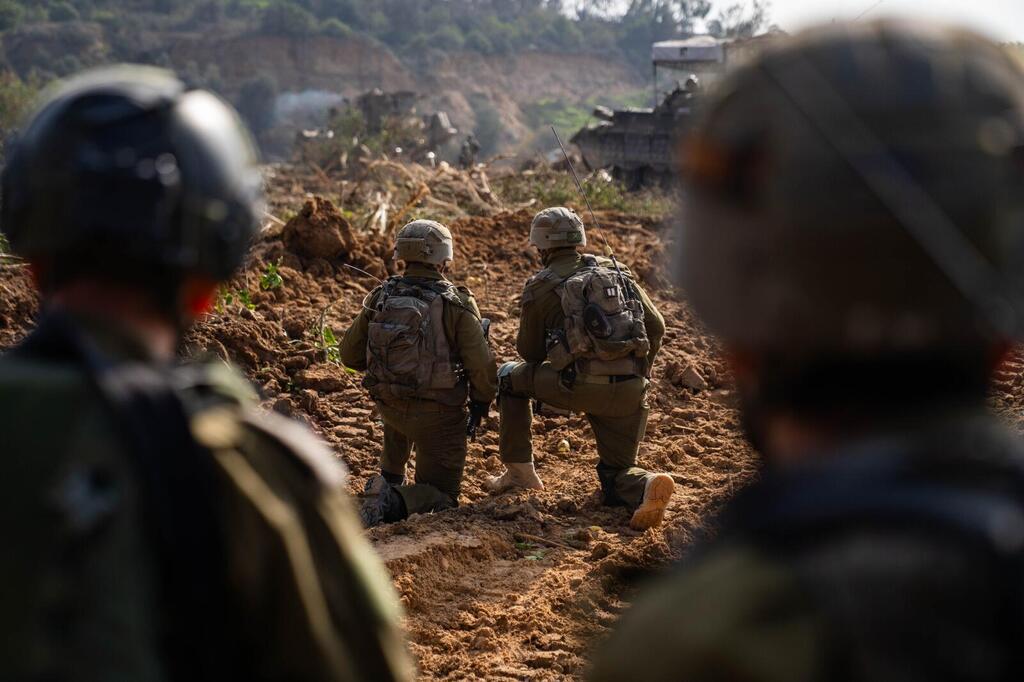
As part of that effort, the IDF this week established a new combat officer training battalion, called Rimon, at Bahad 1, the military officers' academy in the Negev Desert. The battalion is intended to increase the number of officers trained for infantry, armored and combat engineering units while maintaining training standards despite the surge in recruits.
"To enlarge the army, you first have to grow commanders," one senior defense official said.
The move comes as Israel continues military operations on several fronts following Hamas' Oct. 7, 2023, attack, including the war in Gaza, cross-border fighting with Hezbollah in Lebanon and broader regional confrontations involving Iran and its allies.
According to the military, Rimon will consist of four companies led by experienced officers who recently returned from combat. It will be commanded by Lt. Col. H., the former commander of the 890th Battalion, one of the IDF's best-known paratrooper battalions.
The battalion will train maneuver commanders alongside the academy's existing Dekel Battalion while also serving as an additional operational maneuver force available for military missions if required.
Speaking at the battalion's inauguration ceremony, Brig. Gen. Sharon Altit, commander of the 38th Division and head of the Ground Forces Operations Division, described the move as a milestone for the military.
"The outcomes of future battles will be determined here," Altit said. "The quality of a platoon commander determines the quality of the platoon, and ultimately the achievements of the war. This is a historic, exciting and significant moment."
Col. A., commander of Bahad 1, said the new battalion would allow for closer mentoring and stronger officer training. "Every cadet will receive better guidance, and they will become better commanders," he said.
During the war, the academy has already opened two additional battalions: Dolev, which trains reserve officers, and Alon, which trains officers serving through the academic reserve program. Extensive renovations were carried out at the academy to accommodate the expansion.
Political deadlock over manpower
While the military is expanding training capacity, senior officials acknowledge that structural manpower shortages remain unresolved.
Israel has struggled to replenish combat ranks after nearly three years of sustained fighting, with reserve soldiers repeatedly called up for extended service and frontline units suffering mounting casualties.
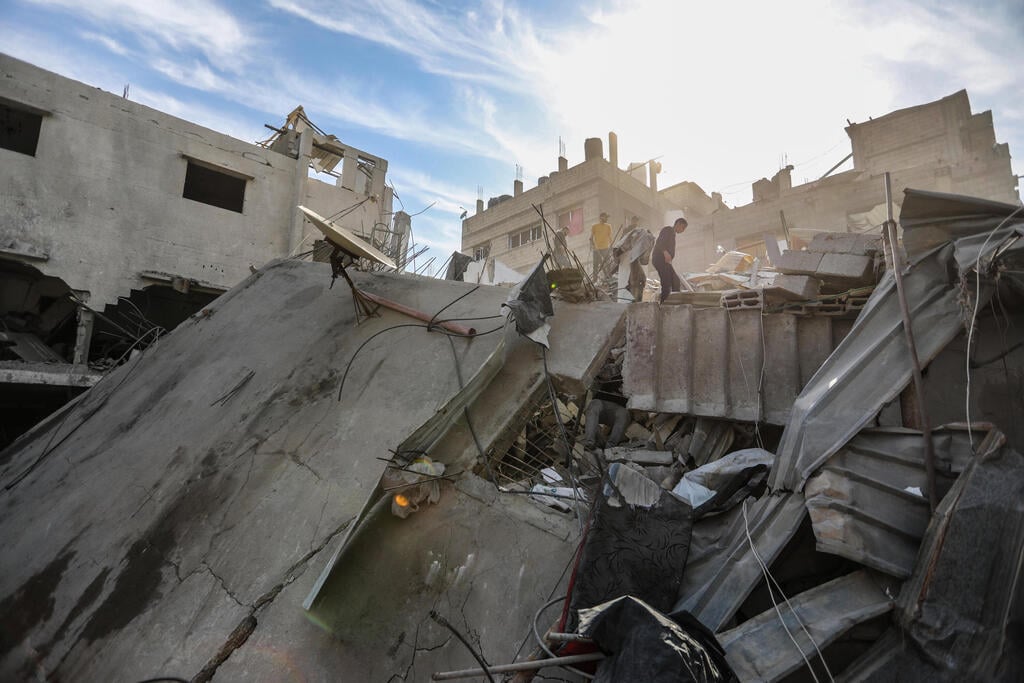
Khan Younis, Gaza
(Photo: Ahmad Hasaballah/Getty Images)
Meanwhile, political efforts to broaden military service have stalled. Legislation to increase mandatory military service from 32 months to 36 months has not been approved, despite repeated requests from military leaders. Likewise, Israel remains deadlocked over the politically sensitive issue of drafting ultra-Orthodox Jewish men, many of whom receive exemptions to pursue full-time religious study.
Military officials have repeatedly argued that without expanding the pool of recruits through legislation, the burden will continue falling disproportionately on combat soldiers and reservists.
The creation of Rimon, they say, is an important step toward producing more officers but cannot by itself solve the broader manpower crisis.
Smaller classes, battlefield experience
To preserve training quality despite larger officer courses, each company in the new battalion will be divided into small teams of only 12 cadets.
Most instructors have come directly from active combat, allowing them to integrate recent battlefield lessons into training almost immediately.
A senior military official acknowledged there had been concerns that expanding officer courses might require lowering admission standards but said those fears had proved unfounded.
Instead, he described the current generation of recruits as unusually motivated. "This is a generation that enlisted into war," he said. "They understand the moment they're living through."
Many of the academy's instructors are battalion commanders from elite units, including the Nahal Brigade and the Paratroopers' 890th Battalion, who moved directly from operational command into training roles.
Reinforcing military values
The prolonged combat has also raised concerns about discipline and military ethics following several isolated incidents involving Israeli soldiers.
Among them was a widely reported case in which an Israeli soldier used a hammer to smash a statue of Jesus in southern Lebanon during military operations.
Defense officials said such incidents remain rare but acknowledged the importance of reinforcing the military's ethical code as thousands of combat veterans enter leadership training.
Officials said cadets undergo extensive instruction on IDF values through discussions, educational workshops and daily briefings designed to ensure consistent standards.
"What a platoon commander experiences in one year of this war is something many generals never experienced during their entire careers," one senior official said.
Combat lessons brought into the classroom
Several commanders described how their wartime experiences now shape officer training.
Lt. Col. Sh., who heads the 614th Battalion at the Combat Engineering School, previously commanded the 601st Battalion during fighting in Rafah and the Netzarim Corridor in Gaza.
During that deployment, eight soldiers under his command were killed when an armored personnel carrier exploded.
He recalled immediately leading another combat operation later that day to prevent his troops from losing confidence before later meeting with soldiers and visiting bereaved families.
Now serving as an instructor at Bahad 1, he translates those battlefield experiences into practical leadership exercises for cadets, many of whom have only limited operational experience.
Lt. Col. N., commander of Gefen Battalion in the Infantry School, said the current generation of officer candidates has been shaped by continuous combat.
"The cadets understand that if they don't master the material now, they'll meet their soldiers almost immediately in ground operations in Lebanon or Gaza," he said.
He said officer training has become significantly more demanding, including nearly 50 combined-arms exercises integrating infantry, armor and combat engineering.
"The discussions are completely open," he said. "There are no sacred cows. We analyze real operational events as they happen."
Lt. Col. Oren Fitousi, who commands an artillery training battalion, said recent combat has made training more practical than ever. "They no longer have to imagine battlefield challenges," he said. "They've lived them."
Training now incorporates lessons from the war, including the use of drones, robotics and underground warfare tactics that were expanded following Hamas' Oct. 7 attack.
Lt. Col. A., who commands the Combat Intelligence Collection and Border Defense officer training program and previously led the Jordan Lions Battalion, said his mixed-gender unit operates across Israel, from the Lebanese border to Eilat, conducting live-fire exercises, simulator training and even operational missions in Lebanon while training continues.
The battalion, he said, brings together carefully selected male and female soldiers into what he described as "a true melting pot of leadership, values and determination to make an impact."