


An IDF reservist who served in the Military Rabbinate and was involved in identifying bodies was found dead Sunday night at his home in southern Israel, the IDF Spokesperson’s Unit announced Monday. The soldier was identified as Master Sgt. Ariel Meir Taman. The case is suspected to be a suicide.
Following the incident, the Military Police Criminal Investigation Division (CID) has launched an investigation. “Upon its conclusion, the findings will be submitted for review by the Military Advocate General,” the IDF stated. His family has been notified: “The IDF shares in the family’s grief and will continue to support them.”
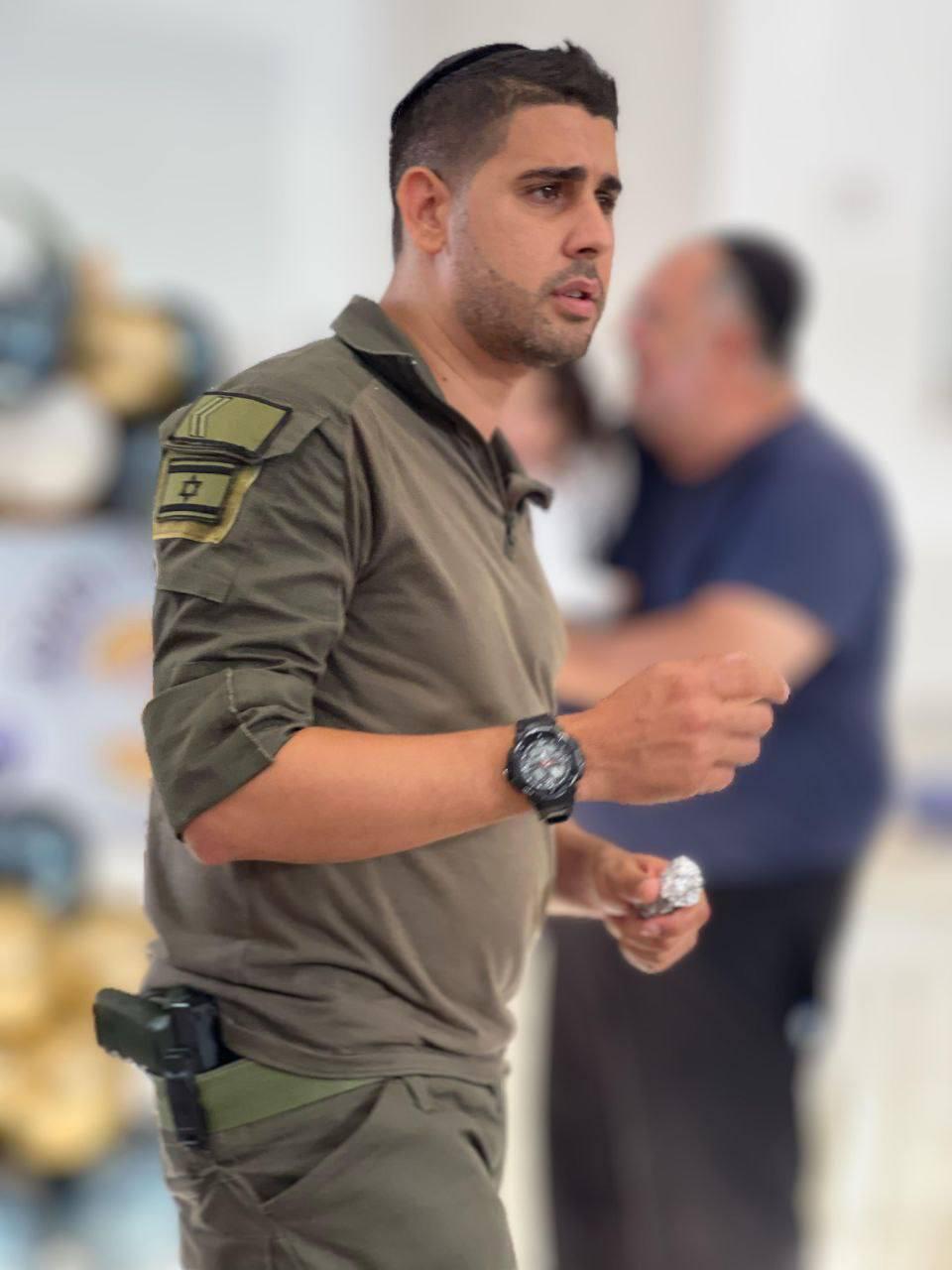
Master Sgt. Ariel Meir Taman
Earlier this month, within just a week and a half, three IDF soldiers took their own lives, highlighting a painful and complex issue many soldiers—especially young ones—face after witnessing harrowing battlefield scenes and losing comrades.
For months since the outbreak of war, the stories of regular and reserve soldiers who have died by suicide since October 7, 2023, largely remained under the radar. However, a noticeable increase in suicides appears to have occurred since the start of 2024. The IDF does not release up-to-date suicide figures aside from an annual report, making it difficult to grasp the full scope of the crisis.
Get the Ynetnews app on your smartphone: Google Play: https://bit.ly/4eJ37pE | Apple App Store: https://bit.ly/3ZL7iNv
According to data released by the IDF earlier this year, 21 soldiers died by suicide in 2024—the highest number since 2011—compared to 17 the previous year. Most were reservists. Still, the IDF noted that when accounting for the overall size of the standing and reserve forces, the increase is not considered statistically dramatic.
About two and a half months ago, Professor Yossi Levi-Belz, head of the Suicide and Mental Pain Research Center at Ruppin Academic Center, warned that a wave of suicides might still be ahead. He explained that “extreme crises, like October 7, often lead to a temporary drop in suicides. But when society begins to stabilize, many—such as reservists—are left highly vulnerable because their difficulties persist, and they continue to struggle with trauma. That’s why this period may be even more dangerous for suicide risk.”
They are not alone
If someone close to you is in crisis or at risk of suicide, don’t hesitate to act. Speak with them, encourage them to seek professional help, and emphasize the importance of doing so. You can help them connect with local professionals or national support services: ERAN (Emotional First Aid): Call 1201 or WhatsApp 052-8451201; Sahar (online emotional support): Visit their website; IDF Mental Health Support Line (for active-duty and reserve soldiers): Dial *6690, extension 4 (24/7); Combat Stress Response Unit (for discharged soldiers): 03-6401400; Resilience Centers or your HMO also offer mental health assistance.