


Hours after the attempted assassination of Mohammed Sinwar in an airstrike in Khan Younis, rocket sirens sounded Tuesday evening in several communities near the Gaza border, including Ashkelon, Sderot, Mefalsim, Nir Am, Ibim and Be'er Ganim. Islamic Jihad later claimed responsibility for the attack.
According to the IDF spokesperson: “The Air Force intercepted two rockets launched from the Gaza Strip. A third projectile landed in an open area. No injuries were reported.”
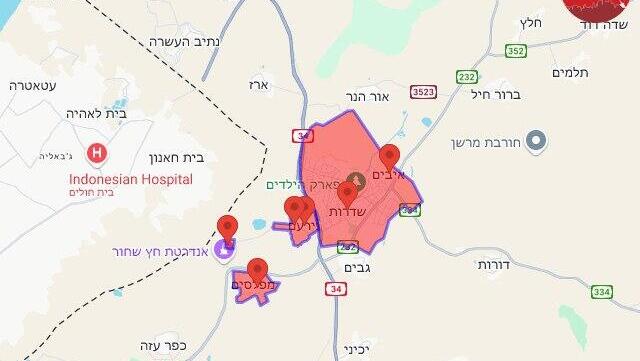
Meanwhile, the Iran-backed Houthi rebels in Yemen launched another missile toward Israel, which fell short and did not trigger alarms. Earlier in the evening, missile alert sirens were activated across central Israel—in the Tel Aviv area, the Sharon region, the Shfela lowlands, and around Jerusalem—after a separate missile launch from Yemen.
Sirens were heard in Tel Aviv, Rishon Lezion, Jerusalem, Bnei Brak, Bat Yam, Herzliya, Holon, Ramat Gan, Ness Ziona, Rehovot, Modi'in, Beit Shemesh, Kfar Saba, and Hod Hasharon. The IDF confirmed that a missile fired from Yemen was successfully intercepted by the Arrow missile defense system. “The alerts were activated in accordance with policy,” the statement read.
Get the Ynetnews app on your smartphone: Google Play: https://bit.ly/4eJ37pE | Apple App Store: https://bit.ly/3ZL7iNv
The rocket fire from Gaza followed the targeted strike on Sinwar, in which the IDF and Shin Bet security agency attacked Hamas operatives inside a command-and-control facility located beneath the European Hospital in Khan Younis, southern Gaza. Defense officials described “cautious optimism” regarding the operation’s outcome.
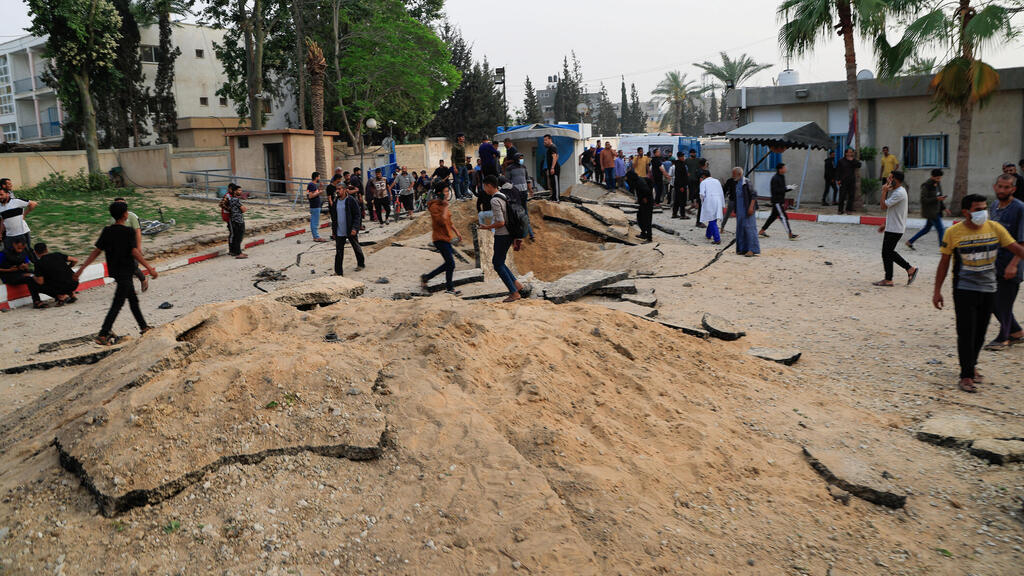
attempted assassination of Mohammed Sinwar in an airstrike in Khan Younis,
(Photo: Hatem Khaled/Reuters)
The decision to target Mohammed Sinwar was made shortly before the strike. Air Force jets were scrambled under tight timing constraints. Security officials noted that it could take several days to confirm the results of the operation. The strike was authorized by IDF Chief of Staff Lt. Gen. Eyal Zamir, Defense Minister Israel Katz, and Prime Minister Benjamin Netanyahu.