

White House AI and cryptocurrency adviser David Sacks warned that continued escalation with Iran could lead to “catastrophic” consequences and urged the United States to declare victory and pursue a negotiated exit from the conflict.
Speaking on the “All-In Podcast” released Friday, the venture capitalist and former PayPal executive said the United States had already significantly degraded Iran’s military capabilities, suggesting the moment could be right to step back from further escalation.
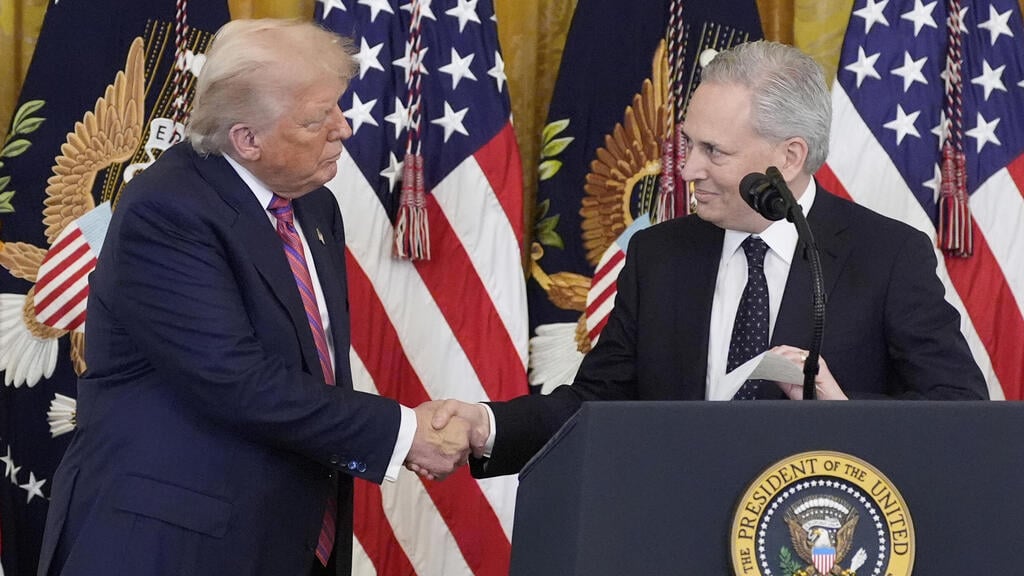
“We’ve degraded Iranian capabilities massively,” Sacks said. “This is a good time to declare victory and get out.”
Sacks said financial markets would likely welcome such a move and argued that Washington should seek an off-ramp to avoid a prolonged regional conflict.
“I agree that we should try to find the off-ramp,” he said. “If escalation doesn’t lead anywhere good, then you have to think about how you de-escalate.”
According to Sacks, de-escalation would likely require a ceasefire or some form of negotiated settlement with Tehran.
Warning of wider regional fallout
Sacks cautioned that some factions in Washington, particularly within the Republican Party, are advocating for further escalation against Iran. He warned that such an approach could trigger a cascade of dangerous consequences across the Middle East.
He outlined a scenario in which Iran retaliates by targeting Gulf state oil infrastructure, followed by attacks on desalination plants that supply drinking water across the region.
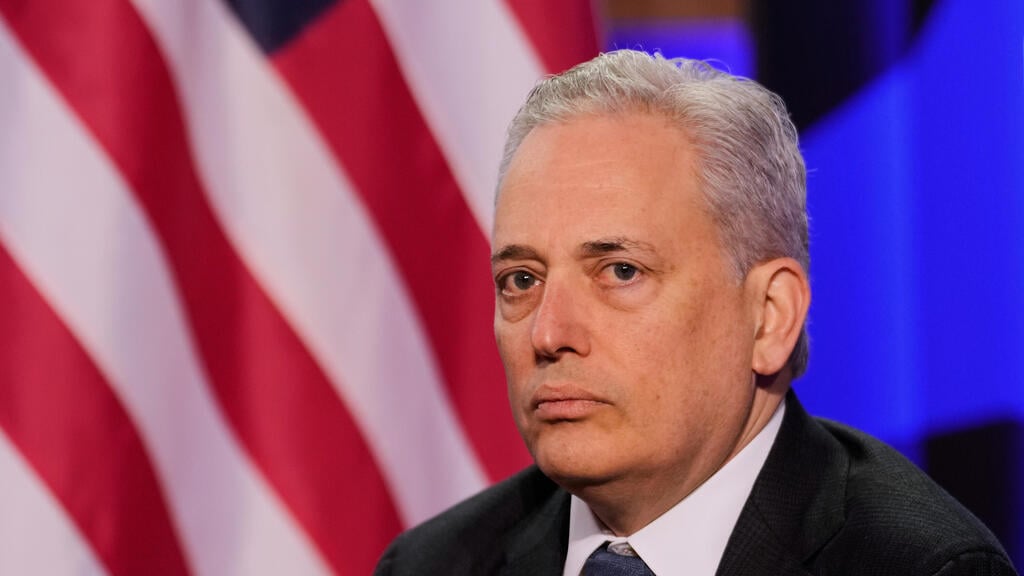
Sacks
(Photo: Markus Schreiber/ AP)
“I think it’s something like 100 million people on the Arabian Peninsula that get their water from desal,” Sacks said, warning that such attacks could create severe humanitarian and economic disruption.
He also warned that a prolonged conflict could strain Israel’s air defense systems and potentially increase the risk of broader escalation, including the possibility of nuclear confrontation.
Sacks described Iran as holding what he called a “dead man’s switch over the economic fate of the Gulf States,” arguing that escalation could destabilize energy markets and regional economies.
War shakes markets and regions
Sacks’ comments came shortly before President Donald Trump announced a major U.S. bombing raid on Iran’s Kharg Island, one of the country’s most important oil export terminals.
Trump said U.S. forces had “obliterated” military targets on the island, which handles roughly 90% of Iran’s crude oil exports.
The strike underscored the economic and geopolitical stakes of the conflict, which has already shaken global markets and pushed oil prices higher.
The United States and Israel launched coordinated attacks against Iran on February 28. Iran and its ally Hezbollah in Lebanon have responded with missile and drone strikes against Israel and other targets across the region.
According to Iran’s ambassador to the United Nations, more than 1,300 people have been killed in Iran since the conflict began. Israeli authorities say 12 people have been killed in Iran-linked attacks on Israel, while the U.S. military reports that seven American service members have died during the fighting.
Iranian officials have also signaled readiness for a prolonged conflict. Senior security official Ali Larijani said Tehran had prepared for a long war if necessary.
Despite the intensifying military actions, Sacks said Washington should consider whether further escalation would ultimately advance U.S. strategic interests or risk widening the conflict across the Middle East.