

A formal letter circulated in recent days by the IDF Operations Directorate has sparked controversy within senior ranks, leveling serious accusations against reserve Brig. Gen. Oren Solomon over his conduct during the Oct. 7 terrorist attack at the Nova music festival.
The letter, obtained by ynet, accuses Solomon of exaggerating key elements of his actions during the fighting, inflating the number of civilians he said he rescued and falsely claiming to have commanded improvised forces and directed an air force helicopter. The 10-page document, which includes appendices and bears the stamp of the IDF Operations Directorate’s Doctrine and Training Division, was authored by reserve Brig. Gen. Meir Finkel of the Dado Center for Interdisciplinary Military Studies.
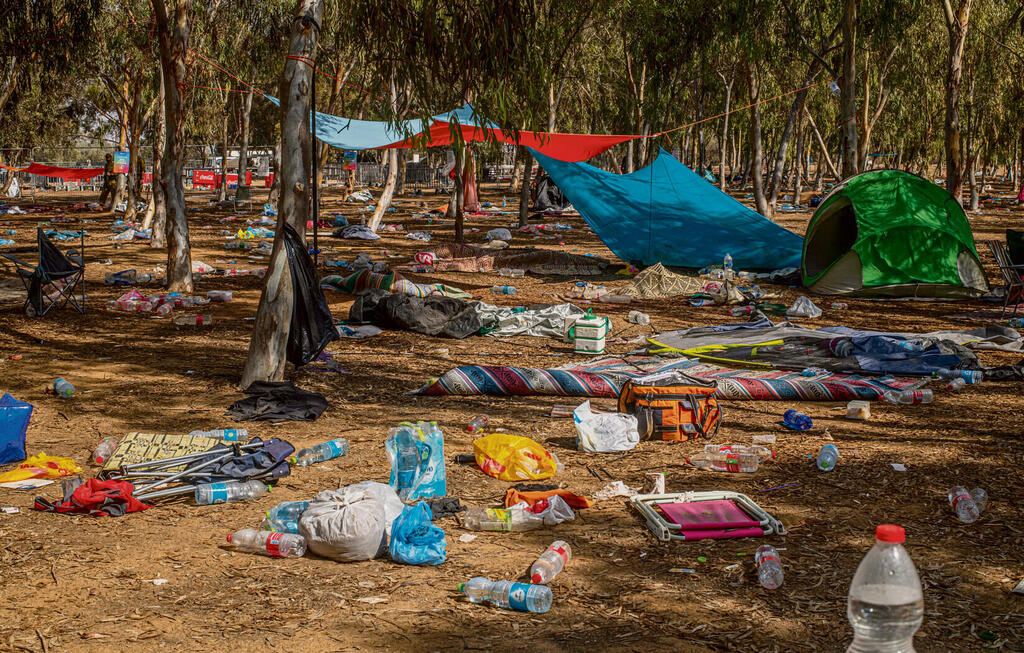
The allegations are directed at Solomon, who served as the Gaza Division’s combat operations manager at the start of the war, and come amid reports that he is being considered by Prime Minister Benjamin Netanyahu as a candidate to head the National Security Council.
Finkel recently served as a senior member of a review committee led by reserve Maj. Gen. Sami Turgeman that examined the quality of IDF internal investigations into the Oct. 7 terrorist attack. The committee determined that the investigation into the Nova festival required further review due to missing data that needed to be completed.
In recent weeks, a public dispute developed between Finkel and Solomon over the General Staff investigations into Oct. 7. In the letter, Finkel wrote that he presented six substantive arguments refuting Solomon’s claims regarding the Nova investigation, but said Solomon failed to address them directly and instead accused Finkel of lacking familiarity with the details. Finkel added that Solomon claimed his role was deliberately omitted from the investigation in order to undermine him.
Solomon was later removed from his position by Gaza Division commander Brig. Gen. Barak Hiram. A military police investigation into allegations that Solomon removed classified documents from the IDF was closed without charges due to lack of evidence.
In the letter, Finkel described what he said was a recurring pattern in which Solomon sent letters to the prime minister and defense minister accusing senior officers of being unfit for their roles or of conducting flawed investigations. Finkel said that after reviewing Solomon’s latest claims, he became “deeply troubled” by what he found.
Finkel also criticized the IDF’s media approach of largely ignoring Solomon’s repeated public accusations, arguing that the lack of official responses left the claims uncontested and allowed them to be perceived as factual among soldiers and officers exposed to them. He said this led him to conduct a detailed review of the Nova investigation, which was led by Brig. Gen. Ido Mizrahi.
According to Finkel, the gap between Solomon’s public descriptions of his actions and the findings of the investigation is “enormous.” He wrote that Solomon falsely claimed investigators never interviewed him, despite seven documented conversations with the investigation team and senior IDF officers. Finkel also alleged that Solomon exaggerated quantitative elements — such as the number of civilians he rescued and the length of time he was under fire — by “hundreds of percent,” even after being presented with contradictory evidence.
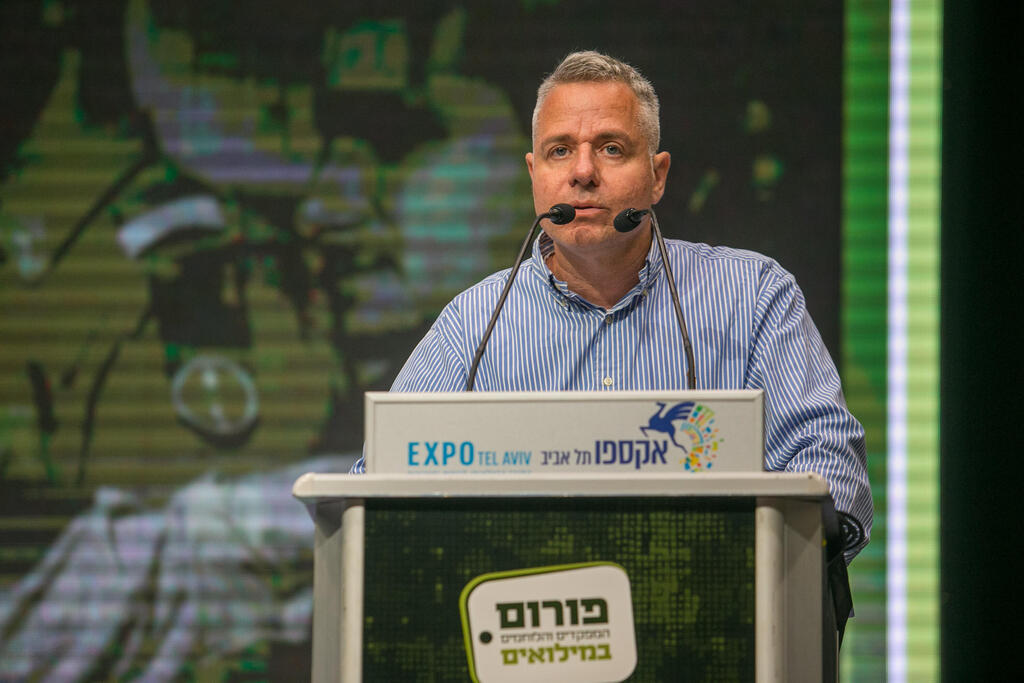
Oren Solomon
(Photo: Ido Erez)
Finkel wrote that Solomon portrayed himself as the target of a systemic effort to remove him, despite the fact that the chief of staff did not know him and that the Nova investigation began roughly a year before Solomon was removed from his Gaza Division role over command-relationship issues. Finkel rejected Solomon’s claim that an entire investigation team, led by a former chief engineering officer with no prior connection to Solomon, conspired to harm him personally.
In the letter, Finkel warned that falsehoods and accusations of this nature damage national security, undermine the credibility of IDF investigations and erode public confidence in the military’s ability to learn from failures.
Addressing the fighting near the Nova festival, Finkel cited findings from the General Staff investigation. Between 8:10 a.m. and 9:15 a.m., the main engagement with terrorists approaching the festival took place at the northern roadblock on Route 232, where 16 police officers fought approximately 100 terrorists. Fourteen of the officers were killed.
Finkel wrote that Solomon stopped his vehicle about 500 meters south of that location, where he operated alongside two police officers and an armed security guard in a delaying action against terrorists. The group later moved about 400 meters further south to a tank position, where six additional police officers joined them.
According to the investigation, between 9:15 a.m. and 10 a.m., most of the terrorists carried out a massacre at the festival grounds before leaving the area. At that stage, an estimated 10 to 15 terrorists remained in the vicinity. Finkel wrote that during this period, Solomon was positioned at the southernmost point of the area and had no ability to influence the massacre at the festival site.
From 9:15 a.m. until 11:30 a.m., Solomon and his son engaged in a delaying fight against individual terrorists firing from distances of hundreds of meters. The force provided protection to approximately 50 festival participants, treated wounded civilians and ensured their evacuation. After 11:30 a.m., following the arrival of the Shaked-Masada force, terrorist fire toward the southern tank position ceased.
In contrast, Solomon wrote in a letter sent in April last year to then-Chief of Staff Lt. Gen. Herzi Halevi that he fought for 10 hours after encountering terrorist ambushes, describing the fighting as among the most difficult of that day. He said he commanded improvised forces, coordinated evacuations and rescued 360 people, 160 of them under heavy fire. Solomon also claimed that his actions and those of police officers were deliberately downplayed or erased in the General Staff investigation.
Finkel disputed those claims, writing that Solomon arrived at the festival area at 8:18 a.m. and left no later than 3 p.m., while the heaviest fighting ended by 11:30 a.m., amounting to about three and a half hours of combat. He said most medical treatment and evacuations were carried out by police and the Masada unit, not under Solomon’s command.
Finkel added that while Solomon fought bravely alongside police officers, he did not command them. Body camera footage showed that officers acted independently, assigned tasks among themselves, coordinated covering fire and evacuation, and at times made decisions on the ground contrary to Solomon’s position.
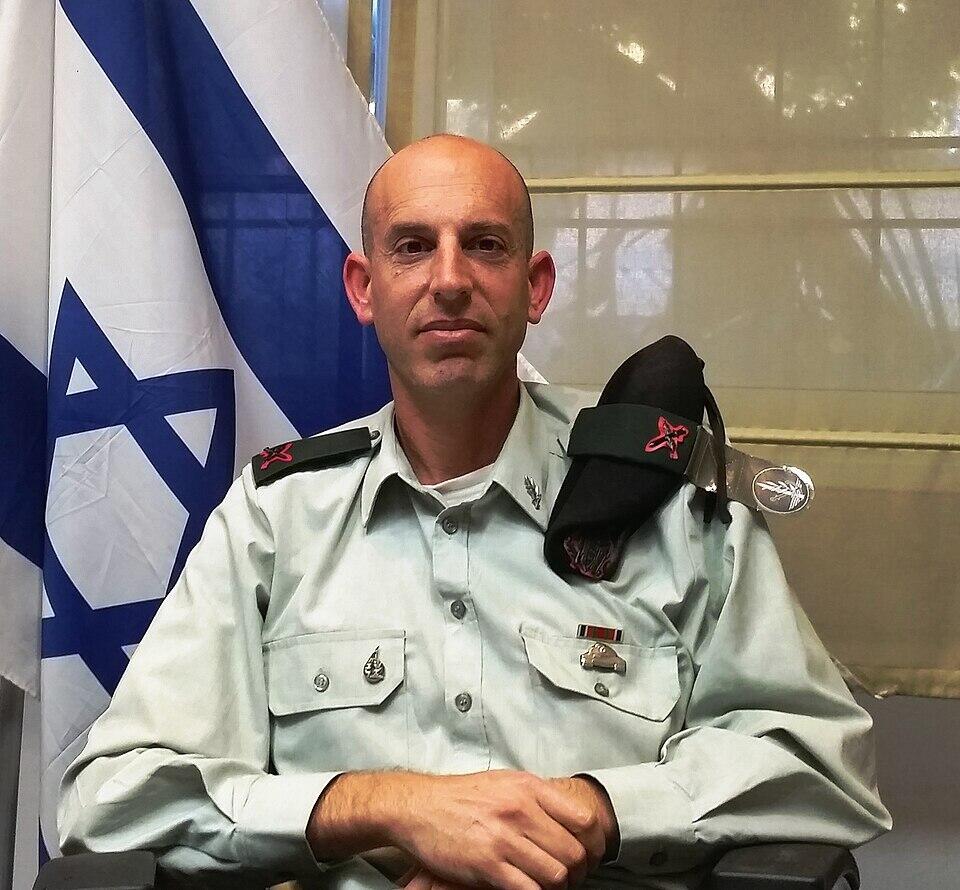
Meir Finkel
(Photo: IDF)
According to Finkel, there were no clear command relationships between the forces, and arriving units did not operate in coordination with the Gaza Division despite Solomon’s claims that he mobilized forces. The air force helicopter dispatched to the area did not identify Solomon’s position and did not operate over it, and Solomon did not communicate directly with the pilot.
Finkel also rejected Solomon’s claim that an airstrike could have prevented the massacre in Be’eri, noting that most of the killing there had ended before the terrorist convoy in question entered the community. He wrote that the helicopter incident Solomon referenced was identified and investigated by the IDF and the air force, including interviews with the pilot and squadron commander, and was not concealed.
Regarding evacuation claims, Finkel wrote that the order to evacuate the festival area was issued earlier by the Ofakim police station commander and carried out by police officers and event security before Solomon arrived. He said footage from Solomon’s first 10 minutes at the scene showed him attempting to understand the situation and directing civilians to move south, but not initiating the evacuation.
Addressing survivor numbers, Finkel wrote that Solomon testified there were 50 civilians at the tank position, while police officers estimated between 15 and 30 at different times. Based on testimonies and visual documentation, Finkel assessed that between 50 and 60 civilians were present — not the 160 or 300 Solomon claimed publicly.
Finkel noted that Solomon’s name appears 25 times in the Nova investigation and that he was commended for his actions. The investigation, he wrote, was presented fairly and professionally despite what he described as “extraordinary and unreasonable pressure” from Solomon. Police conduct was also commended multiple times.
Finkel concluded that while acts of bravery deserve recognition, they cannot serve as a shield for false statements or personal attacks, warning that continued unchallenged accusations risk undermining confidence in the IDF’s ability to investigate and learn from one of the deadliest terrorist attacks in the country’s history.