

Israel implemented a humanitarian pause in its military operations in Gaza on Sunday, allowing aid to enter the besieged enclave through multiple routes after growing international criticism over the deteriorating humanitarian crisis.
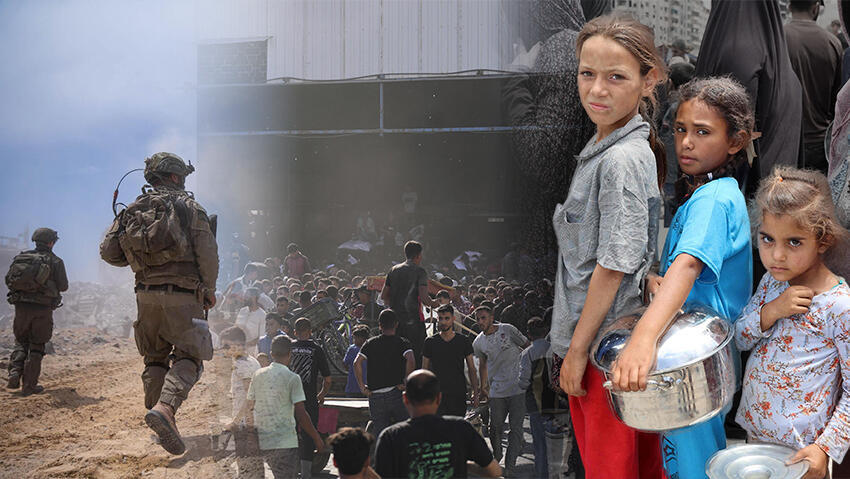
The pause, which lasted about 10 hours, enabled humanitarian supplies to flow through a combination of truck convoys, airdrops and distribution centers operated by the controversial U.S.-based Global Humanitarian Foundation. Aid also entered Gaza via corridors from Jordan and Egypt, which had been closed for two weeks.
Prime Minister Benjamin Netanyahu, speaking Sunday at Ramon Air Force Base, said humanitarian aid would continue despite ongoing military operations. “We are fighting in Gaza. Unfortunately, there are wounded and fallen soldiers. But we will achieve our goal—we will eliminate Hamas,” Netanyahu said. “In any path we choose, we will have to continue to allow the entry of minimal humanitarian supplies. We have done this until now.”
He accused the United Nations of spreading “excuses and lies” about Israel restricting aid. “Secure routes exist—and they always have. But now it’s official. There will be no more excuses,” he added. Netanyahu’s comments signaled a shift from his March stance, when he said Israel would block all supplies following Hamas’ rejection of a U.S.-backed ceasefire proposal.
Shooting in the GHF area in Gaza


According to the Qatari newspaper Al-Araby Al-Jadeed, an Israeli delegation of senior security and military officials arrived in Cairo on Sunday to coordinate aid deliveries through the Rafah crossing. Israel reportedly requested guarantees that food and medical supplies would also reach hostages held in Gaza, in coordination with Hamas.
In recent days, the Israeli Air Force resumed humanitarian airdrops over northern Gaza. Jordan and the United Arab Emirates are expected to follow with similar operations. Israel also approved a UAE-funded initiative to construct a water pipeline from an Egyptian desalination plant to the southern Gaza city of al-Mawasi. The pipeline is expected to serve roughly 600,000 people and will operate independently of Israel’s infrastructure.
Get the Ynetnews app on your smartphone: Google Play: https://bit.ly/4eJ37pE | Apple App Store: https://bit.ly/3ZL7iNv
UAE representatives began transferring equipment through the Kerem Shalom crossing Sunday. Construction is expected to begin within days and continue for several weeks, according to the Israeli military’s Coordinator of Government Activities in the Territories.
Four aid distribution centers operated by the Global Humanitarian Foundation are active in southern Gaza, but have faced logistical and security issues. Civilians approaching the centers have at times come under fire from Israeli forces, and Hamas has attacked Palestinians attempting to receive aid. Last week, a Hamas-fired rocket struck a distribution site near the Morag corridor.
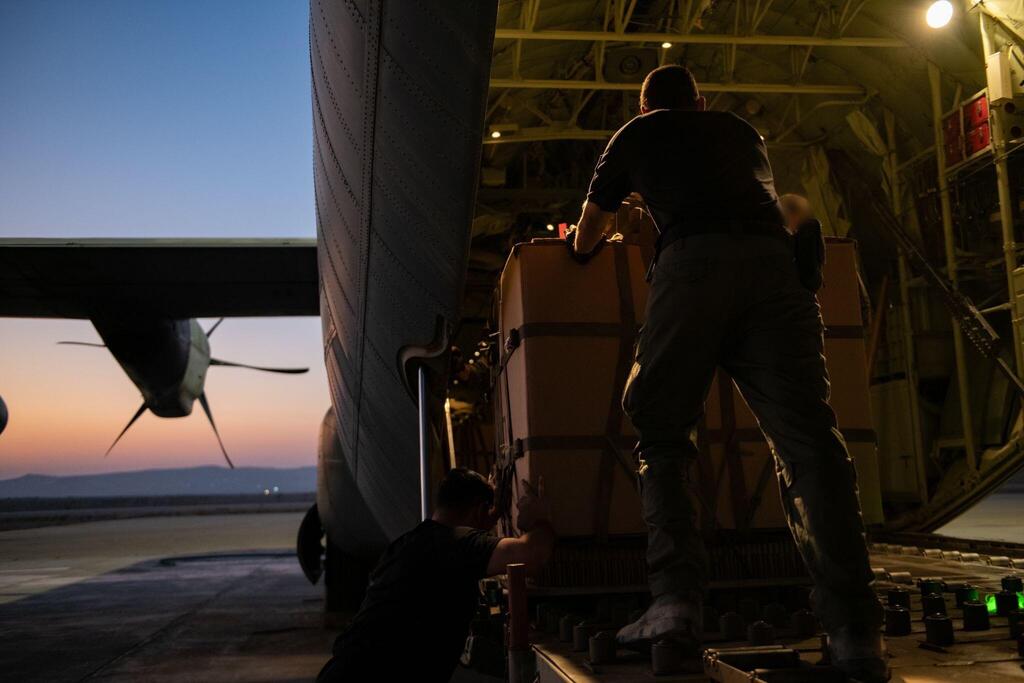
(Photo: IDF)
In the north, Israel operates a “supplemental response,” dispatching trucks through the Zikim crossing. However, some convoys have been looted by Hamas operatives or local clans before reaching their destinations, security officials said. Aid is also routed through Kerem Shalom and smaller border crossings designated 96 and 147, though many trucks remain stranded without being collected.
UN agencies and aid groups have said they cannot safely distribute supplies due to ongoing hostilities and a lack of secure transport routes, leaving truckloads of aid bottlenecked at border points. On average, 71 trucks enter Gaza daily, according to Israeli defense officials. About half deliver supplies through Global Humanitarian Foundation centers, with the remainder distributed via the supplemental response. In the past month, more than 4,500 trucks have entered the Strip carrying food, baby formula, medical supplies and raw materials.
Despite reports of starvation, Israeli officials insist they are not restricting aid. Defense sources said they have expanded inspection capacity at crossings, coordinated with international organizations, and facilitated new entry points—including reopening routes from Jordan and Egypt—to stabilize the humanitarian situation.