

A new law took effect in China on Wednesday that Beijing presents as a measure to strengthen unity among the country’s ethnic groups, but human rights organizations say it will deepen pressure on minorities including Uyghurs, Tibetans and Mongols and accelerate their assimilation into the Han Chinese majority.
The Law on Promoting Ethnic Unity and Progress, passed by China’s National People’s Congress in March and signed by President Xi Jinping, creates a legal framework for what critics say the ruling Communist Party has already been doing for years: suppressing minority cultures and narrowing their ability to preserve distinct languages, traditions and identities.
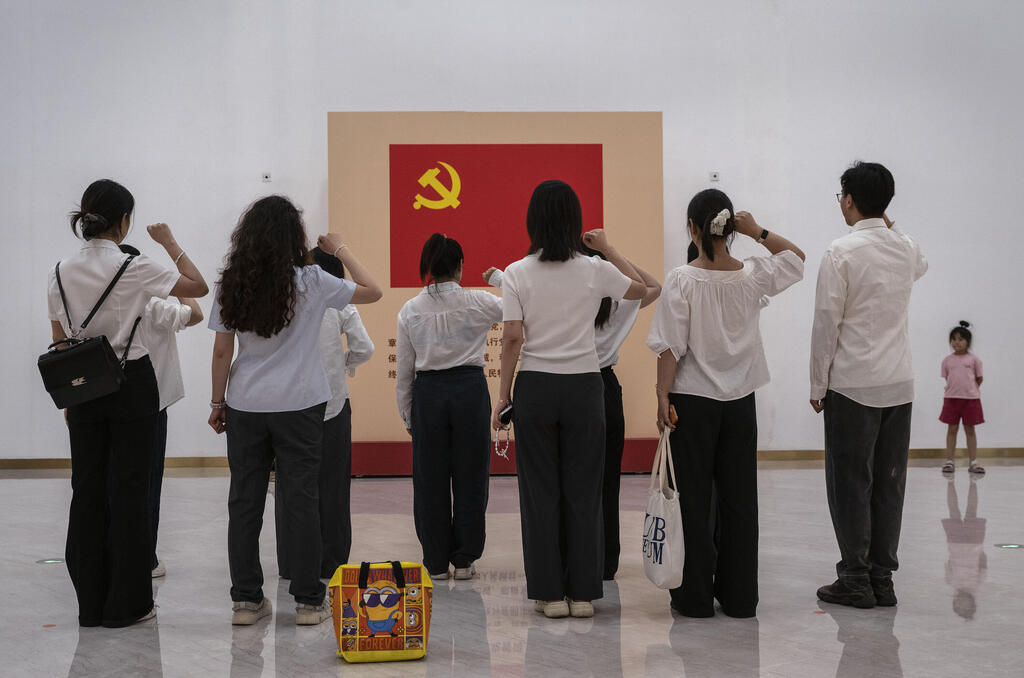
The law bans activity that “undermines ethnic unity” or “creates ethnic division” among the 56 ethnic groups officially recognized by Beijing. It also requires Mandarin to serve as the main language in kindergartens and schools, reducing the role of minority languages such as Tibetan, Uyghur and Mongolian in education.
Chinese officials argue that broader Mandarin education gives minority children the language skills needed for better employment and integration. Critics say the measure is part of a wider campaign of Sinicization, forcing minority communities to adopt a state-approved Chinese identity centered on the Han majority, which makes up about 90% of China’s 1.4 billion people.
The law also requires school curricula to cultivate a “strong sense of community for the Chinese nation,” while parents are expected to educate their children to “love the Chinese Communist Party and the Chinese people.” Cultural institutions, including museums and libraries, are instructed to hold events reflecting Chinese history and “national prosperity.”
Another provision promotes what is described as “ethnic integration” in housing policy, a term human rights activists warn could be used to justify forced relocation or the movement of minority residents into Han-majority areas.
A particularly sensitive clause allows Chinese authorities to act against individuals and organizations outside China if they are accused of undermining ethnic unity or creating ethnic division. Rights activists warn that the provision could be used to silence Chinese citizens and minority activists abroad, many of whom have already reported pressure on relatives still living in China.
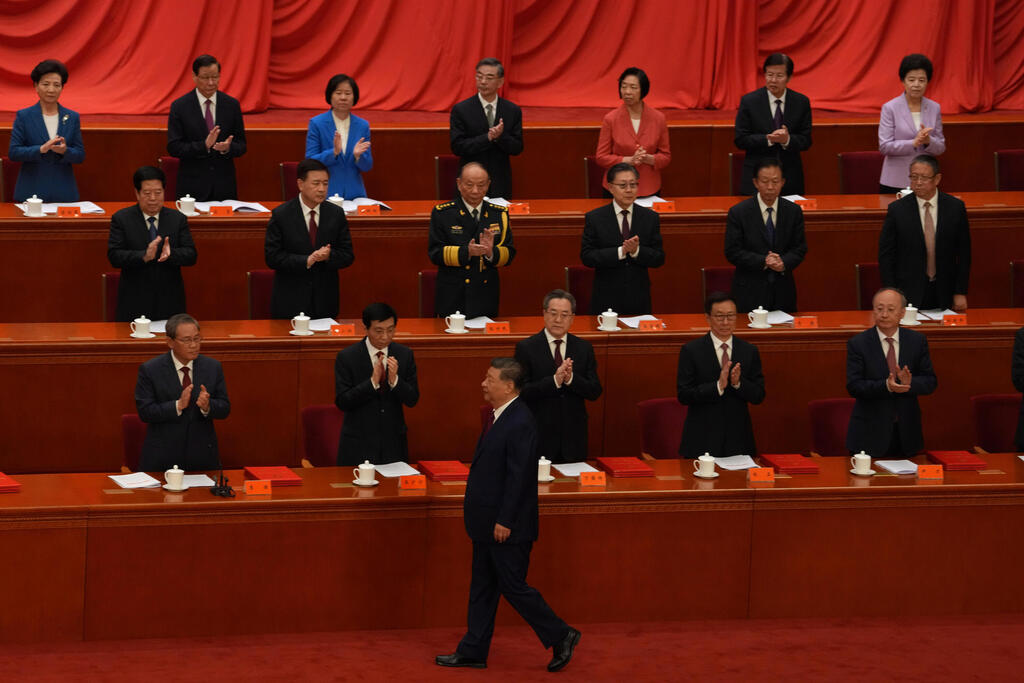
(Photo: AP Photo/Ng Han Guan)
Xi emphasized the importance of ethnic unity in a speech at the Great Hall of the People in Beijing marking 105 years since the founding of the Chinese Communist Party. He called on party members to “continue consolidating and strengthening the wonderful unity of all ethnic groups.”
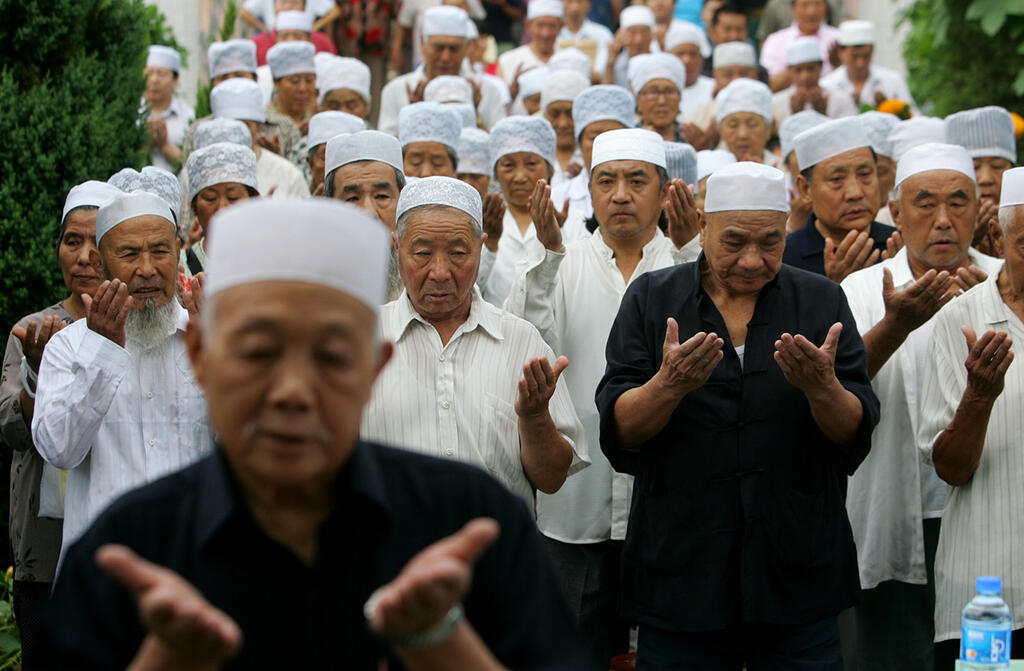
Xi, who has ruled China since 2012 and is widely seen as the country’s most powerful leader since Mao Zedong, has pursued a hard line toward ethnic and religious minorities. The most widely condemned example has been the mass detention of Uyghur Muslims in “reeducation” camps in Xinjiang during the past decade, following terror attacks carried out by Uyghur separatists. Testimony about conditions in the camps drew global condemnation, and the United Nations has previously said abuses in Xinjiang may amount to crimes against humanity.
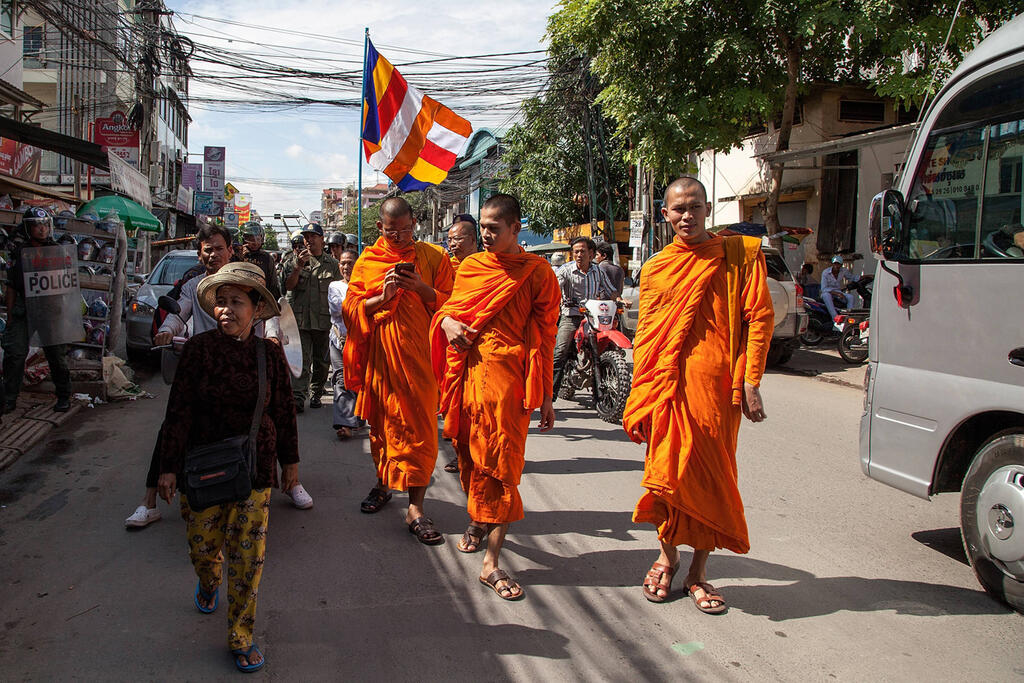
In Tibet, the Communist government continues to suppress displays of support for the Dalai Lama, the exiled spiritual leader. In northern China, rare protests by ethnic Mongols in 2020 were put down after authorities moved to reduce the use of Mongolian in schools in favor of Mandarin.
(Photo: gettyimages)
Beijing has also faced accusations of pursuing critics abroad through intimidation and surveillance. Human rights groups have accused China of operating unofficial “police stations” overseas to monitor dissidents, pressure them and in some cases push them to return to China to face legal action.
The new law is now seen by critics as providing legal cover for expanding that campaign.
“Instead of protecting diversity and equality, the law demands uniformity,” said Sarah Brooks, deputy regional director for Amnesty International. Referring to the clause allowing action beyond China’s borders, she warned that peaceful advocacy for minority rights in China, “by anyone and anywhere,” could now be framed as undermining ethnic unity.
“This law gives a national legal framework to policies that have already devastated the rights of Uyghurs, Tibetans and other non-Han ethnic groups,” Brooks said.
James Leibold, a professor at La Trobe University in Melbourne who specializes in China’s ethnic policy, said the law shows that Beijing no longer treats “ethnic unity” merely as a political slogan or local propaganda theme.
The law, he said, turns the creation of a unified Chinese national identity into an obligation across schools, families, media, museums, government offices, budgets, technology platforms and security agencies.
“The message is clear: minority identity is acceptable only when it is subordinate to Chinese identity as defined by the party,” Leibold said. He also warned of a chilling effect on researchers, journalists, activists and Chinese citizens living abroad, saying the law could encourage self-censorship, deter travel and narrow academic debate.
(Photo: gettyimages)
Beijing rejects the criticism. Chinese Vice Minister of Justice Hu Weilie, asked this week about the law’s authority beyond China’s borders, said it does not violate international law.
“Ethnic unity is an essential cornerstone of national prosperity and development,” Hu said. He argued that illegal activities that deliberately inflame ethnic tensions, undermine unity and endanger national security damage the foundations of ethnic unity and harm the public interest as well as the legitimate rights and interests of the people.
For China’s minority communities and their supporters abroad, however, the law marks another step in Xi’s effort to impose a single national identity, one in which cultural difference is tolerated only when it does not challenge the Communist Party’s definition of what it means to be Chinese.
The Chinese Embassy in Israel said in response: "The article is completely inconsistent with the facts. Its claims about 'forced assimilation,' 'overseas police stations,' and 'chilling effect' are political fabrications intended to smear China.
"There are no so-called 're-education camps' in Xinjiang. The vocational education and training centers established there under Chinese law were educational institutions designed as a preventive counterterrorism and de-radicalization measure. The 14th Dalai Lama is not a representative of the people of Xizang, but a political exile who has long engaged in anti-China separatist activities under the guise of religion.
"China is a unified multiethnic country. Under the Constitution of the People’s Republic of China, the Law on Regional Ethnic Autonomy, and other relevant laws, the lawful rights and interests of all ethnic groups are fully protected, and equality, solidarity, mutual assistance, and harmony among them are safeguarded.
"The Chinese government protects by law the freedom of ethnic minorities to use and develop their own spoken and written languages, as well as the freedom of religious belief enjoyed by all ethnic groups. The Law on Promoting Ethnic Unity and Progress serves the fundamental and overall interests of the Chinese nation. Its implementation provides a solid legal foundation for advancing ethnic unity and for people of all ethnic groups to work together in pursuing Chinese modernization.
"Ethnic unity is the cornerstone of long-term national stability, an essential safeguard for the public interest and the rights and interests of the people, and a most important tool for protecting human rights. Israel likewise emphasizes solidarity among Jewish communities worldwide while valuing a society characterized by diversity, inclusion, and equal opportunity. Any words or actions that foment ethnic division or incite hostility between communities must be condemned and firmly opposed."